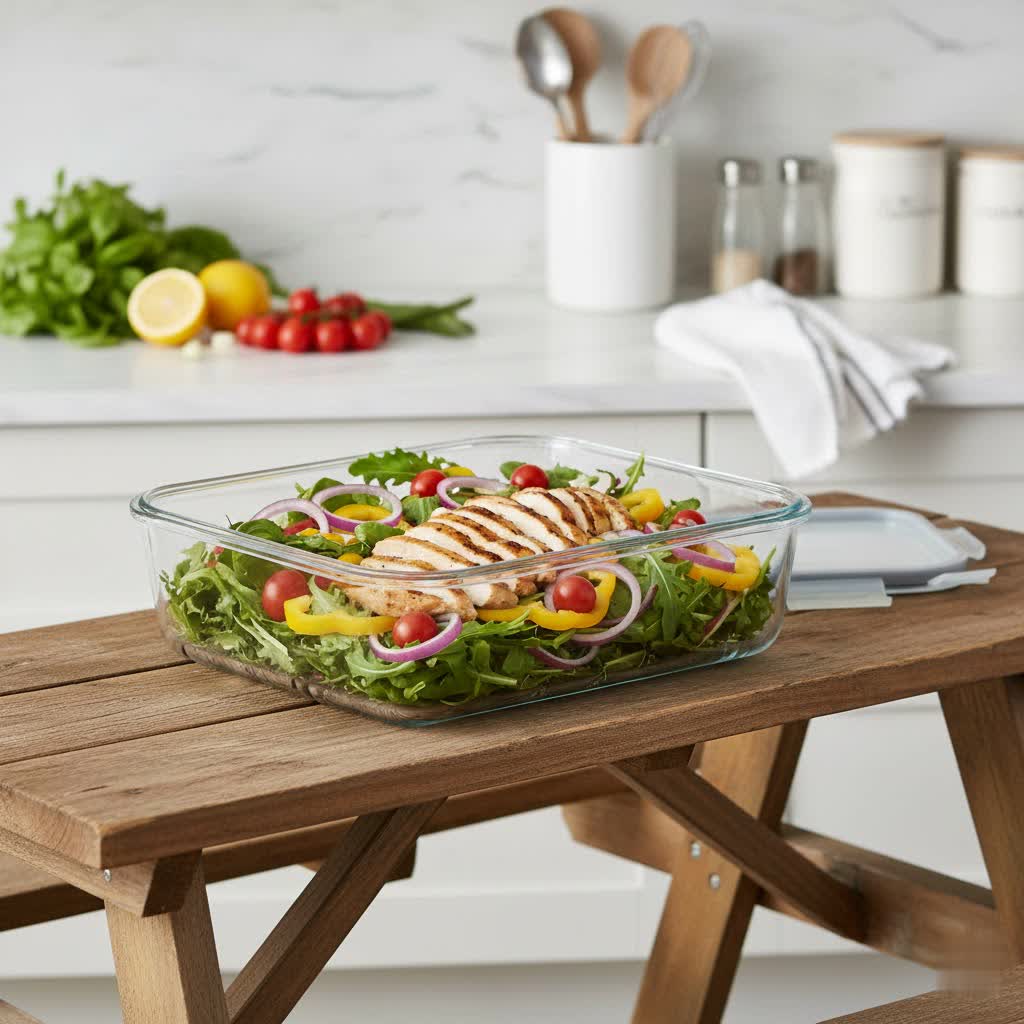
Providing fresh, high-quality food is essential for the health and happiness of the birds you feed. But how you store that food is just as critical as the food itself. A proper Bird Food Container acts as a fortress, protecting seeds from moisture, pests, and spoilage, ensuring your feathered friends receive nutritious meals every time. Without effective storage, your expensive bird seed can quickly become a magnet for rodents, insects, and mold, leading to wasted resources and potential harm to birds.
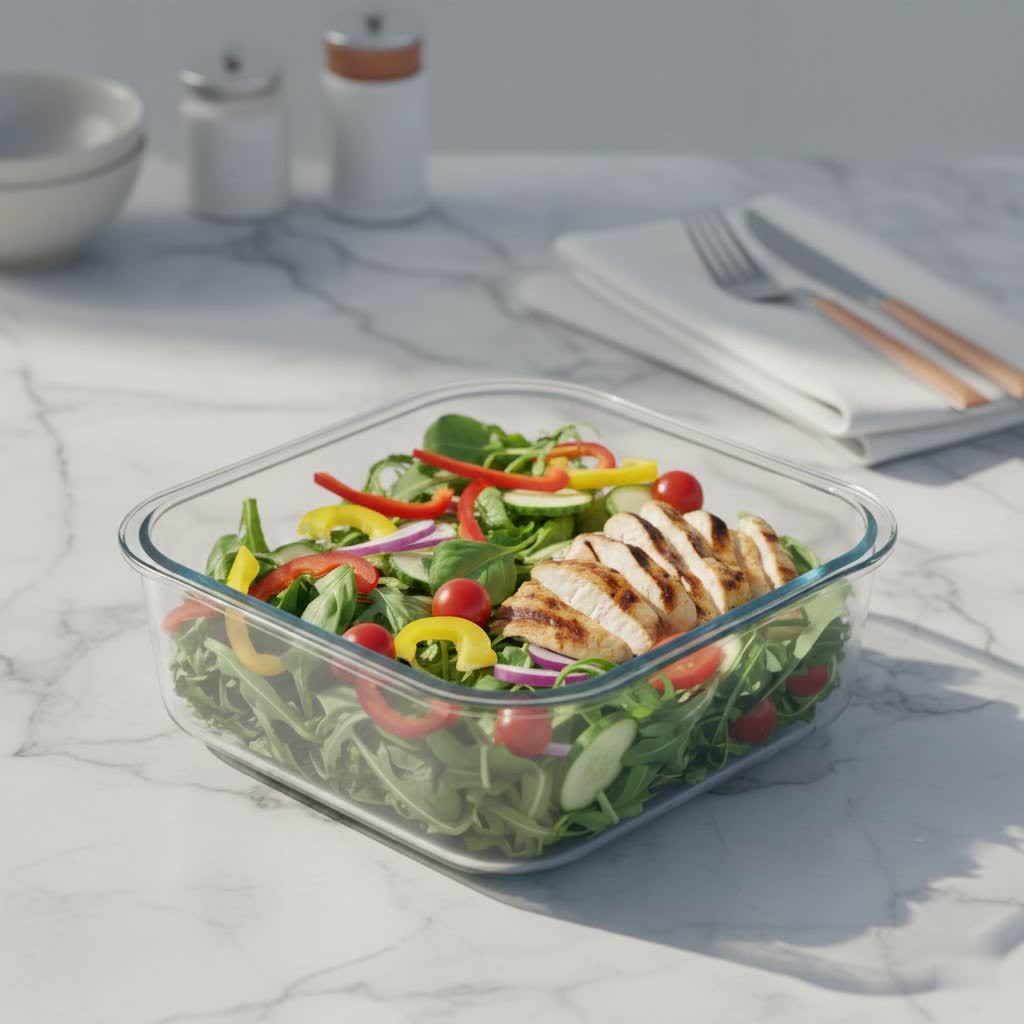
This comprehensive guide will walk you through everything you need to know about selecting, using, and maintaining the best bird food containers. From understanding various materials and their benefits to identifying crucial features and mastering proper storage techniques, we’ll equip you with the knowledge to keep your bird food in pristine condition, enhancing your bird-feeding experience and supporting local wildlife.
Bird Food Containers: Everything You Need to Know
A bird food container is more than just a bin; it’s a specialized storage solution designed to preserve the freshness and nutritional value of bird seed. Its primary purpose is to create a barrier against environmental factors and unwelcome guests that can compromise food quality. By keeping bird food in an appropriate container, you significantly extend its shelf life, prevent waste, and ensure a healthy diet for backyard birds. These containers help keep food dry, deter pests like squirrels and rodents, and prevent insect infestations.
Over time, bird food storage has evolved from simple sacks to sophisticated, airtight containers. Early methods often left food vulnerable to elements and animals. Today, manufacturers focus on creating durable, secure, and user-friendly options that cater to various bird feeding needs. This evolution highlights the growing understanding of proper bird nutrition and environmental control.
Several types of bird food containers are popular on the market, each offering distinct advantages. These generally fall into categories based on material and design:
- Airtight Bins/Vaults: Often made from heavy-duty plastic or galvanized metal, these feature secure, often screw-top or latching lids, providing an excellent seal against air and moisture. They are ideal for bulk storage.
- Clear Plastic Containers: These are typically lighter and allow for easy monitoring of seed levels. Many include handy features like pour spouts and measuring cups, making refilling feeders a breeze.
- Metal Cans/Tins: Usually made from galvanized steel, these are highly durable, chew-proof, and rust-resistant, making them excellent for outdoor storage where pests are a concern.
- Specialized Smaller Containers: These might be designed for specific types of bird food like suet or smaller quantities of premium seeds, often with a focus on convenience and easy access.
Key Factors When Choosing a Bird Food Container
Selecting the right bird food container involves considering several crucial elements that impact food freshness, safety, and your overall convenience.
Material of Bird Food Container
The material of your bird food container dictates its durability, pest resistance, and suitability for different environments.
- Plastic:
- Pros: Often lightweight, affordable, and transparent, allowing you to easily see when a refill is needed. Many plastic containers come with convenient features like pour spouts and measuring cups. Opt for BPA-free, food-grade plastic for safety.
- Cons: While heavy plastic is durable, some rodents, like mice, can chew through even thick plastic over time. Plastic can also become brittle or sharp if damaged, potentially posing a risk to wildlife. It’s generally less preferred for large-scale outdoor storage due to chew-through risks, especially from squirrels and rats.
- Glass:
- Pros: Non-porous, doesn’t absorb odors, easy to clean, and provides excellent visibility. It’s also durable and generally considered very safe for food storage.
- Cons: Heavy, fragile, and typically more expensive. Less common for large-capacity bird food storage.
- Stainless Steel/Galvanized Metal:
- Pros: Highly durable, chew-proof, rust-resistant (especially galvanized steel), and weather-resistant, making it an excellent choice for outdoor storage. Metal containers effectively deter squirrels, rodents, and other pests. They are also fire-safe.
- Cons: Heavier than plastic, can be more expensive, and typically opaque, requiring you to open the container to check food levels.
|
Our Picks for the Best Food Container in 2026
We may earn a commission when you use one of our links to make a purchase.
|
||
| Num | Product | Action |
|---|---|---|
| 1 | 50 Pack (100-Piece) 32 oz Meal Prep Containers Reusable with Easy Open Lids, Sturdy Leakproof Food Safe, Microwave Freezer Dishwasher Safe, To Go Take Out Plastic Food Storage Pans with Lids, Black |

|
| 2 | Vtopmart 5Pack 22oz Glass Storage Containers with Lids, Glass Meal Prep Food Container Sets with Snap Airtight Lids for Microwave, Oven, Freezer and Dishwasher, Grey |
|
| 3 | Glass Food Storage Jars with Airtight Lids – Wide Mouth Pantry Containers, Thick BPA-Free Glass, Moisture & Insect Resistant, Customizable Labels Included – 80 oz x 3 |
|
| 4 | 60 Sets (120-Piece) Deli Containers with Lids, 32/16/8 oz X 20 Set Each, Leak-Proof & BPA Free Airtight Takeout Plastic Food Storage Containers for Soup, Freezer/Microwave/Dishwasher Safe |
|
| 5 | Martha Stewart Shadowbrook 5-Piece Borosilicate Glass Storage Container Set – Airtight Locking Lids, 21.6 oz Meal Prep, Leftover & Lunch Containers, Microwave, Oven & Dishwasher Safe |
|
| 6 | Rubbermaid Brilliance Food Storage Containers BPA Free Airtight Lids Ideal for Lunch Meal Prep & Leftovers Set of 5 (3.2 Cup) |
|
| 7 | Vtopmart 2Pack 1860ml/63oz Large Glass Storage Containers with Lids, Meal Prep Food Container Set with Snap Airtight Lid for Baking, Microwave, Oven, Leak Proof, for Freezer, Dishwasher, Grey |
|
| 8 | 38oz Meal Prep Containers, Extra Large &Thick Food Storage Containers with Lids, Reusable Plastic,Disposable Bento Box,Stackable,Microwave/Freezer/Dishwasher Safe, BPA Free (30Pack) |
|
| 9 | Rubbermaid 60-Piece Food Storage Containers with Lids, Microwave and Dishwasher Safe, Red Color, Ideal for Meal Prep and Pantry Storage |
|
| 10 | Rubbermaid Brilliance BPA Free Airtight Food Storage Containers with Lids, Set of 4 (4.7 Cup) Ideal for Lunch, Meal Prep, and Leftovers |
|
“For superior protection against persistent pests, galvanized metal containers are often the gold standard due to their robust, chew-proof nature,” says an expert in wildlife care.
Size and Shape of Bird Food Container
The dimensions of your bird food container should align with your purchase habits and available storage space.
- Capacity: Consider how much bird food you typically buy at once. Containers range from small (e.g., 3-quart/3-5 lb capacity) suitable for smaller bags or indoor use, to large (e.g., 35-68 lb/gallon capacity) for bulk purchases. Storing smaller amounts that can be consumed within a few weeks is best to ensure freshness.
- Space-saving shapes: Taller, slimmer designs can fit better in pantries or garages, while wider, shallower bins might be better for stacking.
- Specialized containers: Some containers are designed with features like partitioned sections for different seed types or specialized shapes for particular foods like suet or fat balls, which should be stored separately due to shorter shelf lives.
Airtight and Leak-Proof Capabilities
An airtight seal is arguably the most critical feature for any bird food container.
- Why it’s important: An airtight seal locks in freshness, prevents moisture from spoiling the seed (leading to mold and rancidity), and keeps out insects (like grain moths and beetles) and rodents.
- How to check: Look for containers with strong latches or screw-top lids, often combined with silicone or rubber gaskets around the rim. These create a tight barrier. The Gamma Seal Technology, for instance, is known for providing an airtight seal.
- Gaskets and latches: Silicone seals are highly effective at creating a watertight and airtight environment. Secure locking mechanisms ensure the lid stays firmly in place, even if nudged by curious animals.
Additional Features
Beyond the basics, several extra features can enhance the functionality and convenience of your bird food container.
- Microwave, Dishwasher, Freezer Safe: While direct microwave use is unlikely for seed, dishwasher-safe components simplify cleaning. Freezer-safe qualities can be useful for killing insect eggs if an infestation occurs.
- Special Features:
- Pour spouts: These make refilling feeders neat and easy, minimizing spills.
- Measuring cups: Often integrated or included, these help with portion control.
- Wheels: For larger, heavier containers, wheels significantly improve portability.
- Clear body: Especially for plastic containers, a transparent design lets you monitor food levels at a glance.
- Handles: Portable handles facilitate easy transport of the container to your feeding station.
Comparing Popular Bird Food Containers
Choosing the right container often comes down to balancing material benefits with practical features and your specific needs. Here’s a comparison of common types:
| Feature | Plastic Containers (Heavy-Duty, BPA-Free) | Galvanized Metal Containers | Glass Jars/Containers |
|---|---|---|---|
| Material Durability | Good, but can be chewed through by determined rodents. | Excellent, chew-proof, resistant to rust and weather. | Excellent, but susceptible to breakage if dropped. |
| Airtightness | Very good with silicone seals and secure latches. | Excellent with tight-fitting, locking lids. | Excellent with rubber-sealed lids. |
| Pest Resistance | Deters most insects; less effective against determined rodents/squirrels. | Highly effective against all pests (rodents, squirrels, insects). | Good against insects and small rodents; fragile if attacked. |
| Visibility | High (clear plastic). | Low (opaque). | High (transparent). |
| Capacity Range | Small to very large (3 lbs to 50+ lbs). | Medium to very large (10 lbs to 68 liters/287 cups). | Small to medium (up to a few pounds). |
| Portability | Lightweight, often with handles and pour spouts. | Heavy, often with side handles, some with wheels. | Heavy, handles less common for large sizes. |
| Ease of Cleaning | Dishwasher-safe or easy hand wash. | Easy hand wash, resistant to odors. | Very easy to clean, dishwasher-safe. |
| Cost | Generally affordable to mid-range. | Mid-range to higher. | Higher. |
| Ideal Use | Indoor storage, smaller quantities, quick access. | Outdoor storage, bulk quantities, pest-prone areas. | Small quantities of specialty seeds, aesthetic appeal. |
Proper Use and Maintenance of Your Bird Food Container
To maximize the life of your bird food and its container, proper handling and hygiene are paramount.
Cleaning Your Bird Food Container
Regular cleaning prevents the buildup of old food residue, mold, and bacteria, which can be harmful to birds.
- Manual Cleaning: Empty the container completely. Wash with hot, soapy water, scrubbing away any residue. Rinse thoroughly. A 10% bleach solution or white vinegar solution (1 part bleach/vinegar to 9 parts water) can be used for disinfection, followed by a thorough rinse.
- Dishwasher Cleaning: Many plastic and some glass containers are dishwasher safe. Check manufacturer instructions.
- Safe Cleaners: Avoid harsh chemicals or scented soaps that can leave residues or odors unwelcome to birds. Mild dish soap, white vinegar, or a diluted bleach solution are safe options.
- Removing Odors and Stains: For persistent odors, a baking soda paste or a vinegar soak can be effective. Ensure the container is completely dry before refilling to prevent mold growth.
Storing Your Bird Food Container
Where and how you store your container significantly impacts the freshness and safety of the bird food.
- When not in use: Clean and dry containers should be stored in a cool, dry place.
- Avoiding sunlight and high temperatures: Heat and direct sunlight can cause seeds to spoil, become rancid, or encourage insect infestations. Store containers in a cool, dry location, ideally outside your home in a shed or garage, away from direct sun, radiators, or warm pipes.
- Replacing damaged containers: If your bird food container shows signs of damage like cracks, rust, or compromised seals, it’s crucial to replace it. A damaged container cannot effectively protect the food, leaving it vulnerable to moisture and pests.
> “Never mix old bird seed with new seed in storage containers, as this can contaminate the fresh supply and accelerate spoilage,” advises a spokesperson from Wild Birds Unlimited.
Where to Buy Bird Food Containers
Finding the right bird food container is easier than ever with numerous retail options.
- Pet Supply Stores: Dedicated pet stores often carry a range of bird food containers, from basic plastic bins to more specialized, heavy-duty options.
- Home Improvement Stores: These stores are excellent for larger, more robust storage bins, particularly galvanized metal trash cans which can double as excellent bulk bird food containers.
- Online Retailers: Websites like Chewy, Amazon, and Tractor Supply Co. offer a vast selection, often with detailed descriptions and customer reviews to help you compare. You can find a wide variety of brands and sizes online.
- Specialty Bird Feeding Stores: Stores like Wild Birds Unlimited often provide high-quality, purpose-built bird food storage solutions, including their own branded metal containers and easy-fill dispensers.
When purchasing, remember to:
- Read reviews: Customer feedback can highlight practical aspects like seal effectiveness, durability, and ease of use.
- Check dimensions: Ensure the container will fit your intended storage space.
- Verify materials: Look for BPA-free plastic or galvanized steel for optimal safety and longevity.
Buying Guide: Choosing the Right Bird Food Container for Your Needs
Navigating the options can be overwhelming, but by focusing on your specific needs, you can make an informed decision.
Determine Usage Needs
Start by asking yourself what you need the container for:
- What type of bird food will you store? Seeds, suet, mealworms, or a mix? Some foods, like suet, might benefit from separate, smaller plastic containers due to their shorter shelf life.
- How much food do you buy? If you buy in bulk, a large, chew-proof metal container for outdoor storage is ideal. For smaller, regular purchases, a medium-sized airtight plastic bin might suffice indoors.
- What features are most important? Do you need a pour spout for easy refilling, or a clear container to monitor levels? Is pest resistance your top priority? If squirrels are a major issue, heavy-duty metal containers with locking lids are crucial. Consider portability features like handles or wheels if you move the container frequently.
Determine Budget
Bird food containers vary in price based on material, size, and features. Set a realistic budget, but remember that investing in a durable, high-quality container can save you money in the long run by preventing spoilage and pest damage. For example, galvanized metal containers, while pricier upfront, offer superior longevity and protection.
Tham khảo đánh giá của người dùng
Before making a final decision, always take time to read user reviews and ratings. These insights from other bird enthusiasts can provide valuable, real-world information about a product’s performance, durability, and any potential drawbacks. Ask friends or local birding groups for recommendations, as their experiences can often guide you to reliable products.
Conclusion
A high-quality bird food container is an indispensable tool for any bird enthusiast. By prioritizing airtight seals, durable materials like galvanized steel or heavy-duty, BPA-free plastic, and appropriate sizing, you can safeguard your bird seed from moisture, pests, and spoilage. Proper storage extends the freshness of food, protects your investment, and most importantly, ensures that the birds visiting your feeders receive healthy, nutritious meals. Remember to clean your containers regularly and store them in cool, dry locations to maintain optimal conditions.
With the right bird food container, you’re not just storing food; you’re investing in the well-being of your local bird population and enriching your own connection to nature. What steps will you take today to upgrade your bird food storage and ensure your feathered visitors always have access to the freshest fare?
Frequently Asked Questions
Why is an airtight seal crucial for a bird food container?
An airtight seal is vital because it protects bird seed from moisture, which can cause mold and spoilage, and prevents pests like insects, moths, rodents, and squirrels from accessing and contaminating the food. This keeps the seed fresh and safe for birds to consume.
Can I store bird food containers outdoors?
Yes, you can store bird food containers outdoors, but it’s essential to use sturdy, weatherproof, and chew-proof options, such as galvanized metal containers with tight-fitting, locking lids. Store them in a cool, dry, sheltered location like a shed or garage to protect against elements and pests.
How often should I clean my bird food container?
It’s recommended to clean your bird food container regularly, especially when refilling, and always if you notice any mold, foul odors, or pest infestations. Use hot, soapy water and a diluted bleach or white vinegar solution for disinfection, ensuring it’s completely dry before adding new seed.
What’s the best material for a bird food container to deter squirrels and rodents?
Galvanized metal containers are generally considered the best material for deterring squirrels and rodents. They are chew-proof, robust, and often come with secure locking lids that these determined pests cannot easily breach.
How long can bird food be stored in a proper container?
With proper storage in a cool, dry, airtight, and pest-proof container, bird seed can remain fresh for several months to over a year. However, it’s best to store only a two-week supply in hot weather and a four-to-six-week supply in cooler weather to ensure peak freshness.