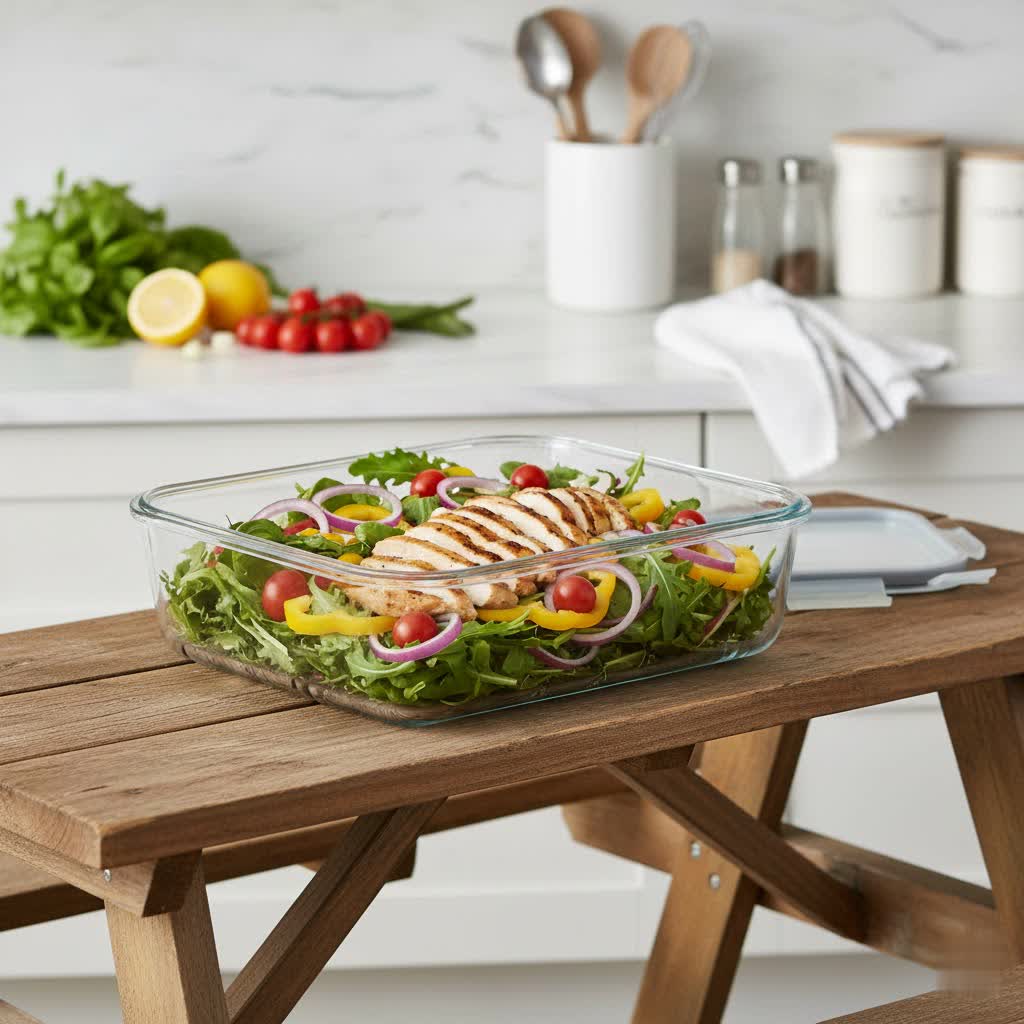
Imagine a kitchen where every meal prep container is pristine, free from stains, lingering odors, and the worry of harmful chemicals. A place where preserving food is not just about extending shelf life, but about maintaining quality and supporting a healthier lifestyle. This isn’t a distant dream; it’s the reality with Freezer Safe Glass Containers. If you’re tired of warped plastic, discolored lunchboxes, and searching for matching lids that never quite fit, it’s time to explore the clear advantages of glass.
This comprehensive guide will navigate you through everything you need to know about freezer safe glass containers, from understanding their materials and choosing the best options to mastering proper usage and care, ensuring your food stays fresh and your peace of mind remains intact.
Food Containers: Everything You Need to Know
A food container is any vessel designed to store edibles, protecting them from spoilage, contamination, and environmental factors. While the concept is simple, the materials and designs have evolved dramatically over time. Historically, humans used natural materials like clay, wood, and animal bladders for preservation. The industrial age brought forth tin cans and eventually, plastic, revolutionizing convenience but introducing new concerns about health and environmental impact.
In recent decades, there has been a significant shift back to glass. Glass food containers, especially those labeled “freezer safe,” are specifically engineered to withstand extreme temperature fluctuations without cracking or shattering, making them ideal for both fresh storage and long-term freezing. This resurgence is driven by a desire for non-toxic alternatives, superior food preservation, and a more sustainable kitchen.
On the market today, you’ll encounter a variety of food container types, primarily plastic, stainless steel, and glass. While plastic offers affordability and lightness, concerns about BPA and BPS leaching, staining, and odor absorption often lead consumers to seek better options. Stainless steel provides durability and non-reactivity but lacks transparency and microwave compatibility. Glass, particularly freezer-safe varieties, emerges as a frontrunner by combining visibility, non-toxicity, versatility, and environmental benefits, making it an increasingly popular choice for conscientious home cooks.
Factors to Consider When Buying Freezer Safe Glass Containers
Choosing the right freezer safe glass containers involves understanding several key attributes that contribute to their performance, safety, and longevity.
Material of Food Container
The type of glass used is paramount for freezer safety. Not all glass is created equal when it comes to extreme temperatures.
- Borosilicate Glass: This is often considered the gold standard for thermal shock resistance. Borosilicate glass contains boron trioxide, which gives it superior durability and allows it to withstand significant temperature changes without breaking. Many high-quality brands utilize borosilicate glass, enabling containers to go from the freezer directly into a preheated oven or microwave (though gradual temperature adjustments are always recommended to prevent any thermal shock, typically within a 130-degree Celsius tolerance). It is also known for being lightweight and scratch-resistant.
- Tempered Glass: This type of glass undergoes a heating and cooling process during manufacturing that strengthens it, making it more resistant to thermal and impact stress than regular glass. If tempered glass does break, it shatters into blunt, less dangerous pieces. Many popular and affordable brands, such as Pyrex Simply Store, use tempered glass, offering excellent freezer, microwave, and oven safety.
|
Our Picks for the Best Food Container in 2026
We may earn a commission when you use one of our links to make a purchase.
|
||
| Num | Product | Action |
|---|---|---|
| 1 | 50 Pack (100-Piece) 32 oz Meal Prep Containers Reusable with Easy Open Lids, Sturdy Leakproof Food Safe, Microwave Freezer Dishwasher Safe, To Go Take Out Plastic Food Storage Pans with Lids, Black |

|
| 2 | Glass Food Storage Jars with Airtight Lids – Wide Mouth Pantry Containers, Thick BPA-Free Glass, Moisture & Insect Resistant, Customizable Labels Included – 80 oz x 3 |
|
| 3 | 60 Sets (120-Piece) Deli Containers with Lids, 32/16/8 oz X 20 Set Each, Leak-Proof & BPA Free Airtight Takeout Plastic Food Storage Containers for Soup, Freezer/Microwave/Dishwasher Safe |
|
| 4 | Rubbermaid Brilliance Food Storage Containers BPA Free Airtight Lids Ideal for Lunch Meal Prep & Leftovers Set of 5 (3.2 Cup) |
|
| 5 | Vtopmart 2Pack 1860ml/63oz Large Glass Storage Containers with Lids, Meal Prep Food Container Set with Snap Airtight Lid for Baking, Microwave, Oven, Leak Proof, for Freezer, Dishwasher, Grey |
|
| 6 | Martha Stewart Shadowbrook 5-Piece Borosilicate Glass Storage Container Set – Airtight Locking Lids, 21.6 oz Meal Prep, Leftover & Lunch Containers, Microwave, Oven & Dishwasher Safe |
|
| 7 | Vtopmart 5Pack 22oz Glass Storage Containers with Lids, Glass Meal Prep Food Container Sets with Snap Airtight Lids for Microwave, Oven, Freezer and Dishwasher, Grey |
|
| 8 | Rubbermaid Brilliance BPA Free Airtight Food Storage Containers with Lids, Set of 4 (4.7 Cup) Ideal for Lunch, Meal Prep, and Leftovers |
|
| 9 | 38oz Meal Prep Containers, Extra Large &Thick Food Storage Containers with Lids, Reusable Plastic,Disposable Bento Box,Stackable,Microwave/Freezer/Dishwasher Safe, BPA Free (30Pack) |
|
| 10 | Rubbermaid 60-Piece Food Storage Containers with Lids, Microwave and Dishwasher Safe, Red Color, Ideal for Meal Prep and Pantry Storage |
|
Both borosilicate and tempered glass are non-toxic, meaning they won’t leach harmful chemicals like BPA, BPS, phthalates, lead, or cadmium into your food. Their non-porous surface ensures they don’t stain from acidic foods like tomato sauce or absorb odors from strong-smelling ingredients like garlic, keeping them pristine and hygienic over time. They are also incredibly easy to clean and are typically dishwasher safe.
Size and Shape of Food Container
The dimensions and design of your glass containers significantly impact their practicality, especially for freezing and storage.
- Capacity: Consider your typical portion sizes for meal prepping, leftovers, or bulk storage. Sets with a variety of sizes, from small individual portions to larger family-sized containers, offer the most versatility. Look for options ideal for everything from single servings of soup to batches of roasted vegetables.
- Shape for Storage Efficiency: Rectangular and square containers are generally more space-efficient for stacking in both the freezer and cabinets. Many brands design their containers to be nestable when empty, further optimizing storage. For freezing liquids, straight-sided, wide-mouth jars are highly recommended. These designs minimize stress points and provide ample space for liquids to expand as they freeze, significantly reducing the risk of cracking. Containers with rounded shoulders or narrow necks are more prone to breakage when freezing liquids.
- Specialized Containers: Some containers come with divided compartments, perfect for meal prepping where you want to keep different food components separated until reheating. Others may be specifically designed for soups, sauces, or baby food, often with clear volume markings.
Airtightness and Leak-Proof Seal
A reliable seal is critical for food preservation, especially in the freezer. It protects food from freezer burn, prevents leaks, and maintains freshness.
- Why it’s Important: An airtight seal locks out air, which is the primary cause of freezer burn and spoilage. It also prevents odors from mixing between different foods in your fridge or freezer. A leak-proof design is essential for transporting meals without mess.
- Checking the Seal: Look for lids that feature silicone or rubber gaskets and robust locking latches. These components work together to create a tight, secure seal. When purchasing, check reviews for feedback on lid performance; some brands, while otherwise excellent, may have lids that don’t consistently provide a strong leak-proof seal, making them better suited for fridge storage than transport.
- Types of Lids and Latches: Common designs include snap-on lids with multiple latches (two or four) that firmly secure the lid to the glass base. Removable silicone gaskets are a bonus for thorough cleaning, preventing grime buildup.
Additional Features
Beyond the basics, several extra features can enhance the utility and convenience of your glass containers.
- Versatility in Appliances: Many freezer safe glass containers are also safe for use in the microwave, oven (without the lid, or with specific oven-safe lids), and dishwasher. Always confirm the manufacturer’s guidelines, especially regarding oven temperatures for the glass base and the heat resistance of the lids.
- Specialized Functions: Some lids incorporate built-in ventilation systems, like those found in Rubbermaid Brilliance, which allow steam to escape during microwave reheating, reducing splatters. Others might feature clear measurement markings on the glass or colored lids for easy organization.
Comparing Popular Freezer Safe Glass Food Containers
When it comes to choosing the best freezer safe glass containers, several brands consistently receive high praise for their durability, design, and performance. Here’s a comparison of some popular options:
Detailed Comparison Table
| Brand/Model | Glass Type | Key Features | Pros | Cons |
|---|---|---|---|---|
| Pyrex Simply Store | Tempered Glass | Microwave, Oven (base), Freezer, Dishwasher Safe. Various sizes. | Affordable, widely available, durable glass, versatile. | Some models may have less reliable leak-proof seals, plastic lids can warp over time. |
| Rubbermaid Brilliance Glass | Tempered Glass | Airtight, Leak-Proof, Stackable, Microwave (vented lid), Oven (base), Freezer, Dishwasher Safe. | Excellent seal, clear visibility for both base and lid, vented lid. | Can be pricier, lids have crevices that may require thorough cleaning. |
| OXO Good Grips Smart Seal | Borosilicate Glass | Airtight, Leak-Proof, Easy-to-open latches, Removable silicone gasket, Stackable, Freezer, Oven, Microwave, Dishwasher Safe. | Superior thermal shock resistance, user-friendly latches, easy to clean gasket. | Can be more expensive than tempered glass options. |
| Glasslock Assorted Set | Tempered Glass | Oven (base), Microwave, Freezer, Dishwasher Safe. Variety of shapes. | Durable, good value, often comes in large sets. | Lids can be stiff to close, some report minor leakage issues over time. |
| Ello Duraglass Meal Prep | Borosilicate Glass | Cute colors/styles, Silicone sleeve for protection, Freezer, Microwave, Dishwasher Safe. | Stylish, good for on-the-go, added protection from sleeve. | Silicone sleeve can be difficult to clean, not oven-safe due to sleeve. |
| Amazon Basics Glass Containers | Tempered Glass | Basic, functional, various sizes, Freezer, Microwave, Oven (base), Dishwasher Safe. | Very affordable, good entry-level option. | Lids may not be as durable or airtight as premium brands. |
- Pyrex: Known for its long history and reliability, Pyrex offers great value. Their tempered glass is generally freezer and oven safe. However, some users note that their plastic lids, while functional, might not always be perfectly leak-proof for liquids and can degrade or warp over extended use.
- Rubbermaid Brilliance Glass: This line is highly regarded for its exceptional airtight and leak-proof seals, thanks to robust latches and quality gaskets. The clear plastic lids also allow for easy visibility of contents. They often feature vents for microwave use, making reheating a breeze.
- OXO Good Grips Smart Seal: Utilizing borosilicate glass, these containers excel in thermal shock resistance and often feature easy-to-use locking latches and removable silicone gaskets for thorough cleaning. They are a top choice for those seeking maximum versatility and ease of maintenance.
- Glasslock: A strong contender, Glasslock offers sturdy tempered glass containers with snap-lock lids. They are generally reliable for freezing and reheating, providing good overall value in larger sets.
- Ello Duraglass: These containers stand out with their stylish designs and protective silicone sleeves, making them appealing for packed lunches and active lifestyles. While the glass itself is borosilicate and freezer-safe, the silicone sleeve often means the entire container is not oven-safe, limiting some versatility.
How to Use and Care for Freezer Safe Glass Containers Correctly
Proper use and care are essential to maximize the lifespan of your freezer safe glass containers and ensure food safety.
Cleaning Food Containers
Keeping your glass containers clean and hygienic is straightforward due to glass’s non-porous nature.
- Dishwasher Safe: Most glass bases are dishwasher safe. For best results, place them on the top rack.
- Hand Washing: If hand washing, use warm, soapy water and a soft sponge or brush. For lids, pay attention to the grooves and silicone gaskets where food residue can accumulate. If the gasket is removable (as in OXO Smart Seal), take it out for a more thorough clean to prevent any mold or bacterial growth.
- Removing Odors and Stains: Glass naturally resists stains and odors. If any stubborn residue or faint smell remains, a soak in white vinegar and water, or a paste of baking soda and water, can help.
Storing Food Safely in the Freezer
To prevent breakage and ensure food quality when freezing in glass, follow these guidelines:
- Cool Food Completely: Always allow hot food to cool down to room temperature or even chill it in the refrigerator overnight before transferring it to glass containers for freezing. Sudden extreme temperature changes from hot to very cold can cause thermal shock and crack the glass.
- Leave Headspace: This is perhaps the most critical rule for liquids and foods with high water content (e.g., soups, stews, purees, fruits, and vegetables). Liquids expand when they freeze. Leave at least one inch of headspace from the rim for wide-mouth containers, and sometimes up to two inches for regular-mouth jars with more defined shoulders, to allow for this expansion without putting pressure on the glass. Some jars have a designated “freezing line” – never fill above it.
- Choose the Right Shape: Opt for straight-sided containers or wide-mouth jars. These designs allow for even expansion of frozen contents, reducing stress on the glass. Avoid jars with narrow necks or pronounced “shoulders” when freezing liquids.
- Initial Freezing: When freezing liquids, you can leave the lid slightly ajar or off initially until the contents are completely frozen. Once solid, seal the lid tightly. This helps manage the expansion process.
- Avoid Overstuffing: While glass is durable, physical impact can cause breakage. Arrange containers in your freezer to prevent them from falling or hitting each other, especially when opening and closing the freezer door.
- Gradual Temperature Changes: While quality borosilicate or tempered glass can handle temperature shifts, avoid placing a frozen glass container directly into a very hot oven. If transitioning from freezer to oven, allow the container to thaw slightly in the refrigerator first, or place it in a cool oven and let both heat up together gradually. For microwave use, ensure the lid is vented or removed.
Defrosting Food Containers
Defrosting safely is just as important as freezing safely to prevent glass breakage and ensure food quality.
- Refrigerator Thawing: The safest and most recommended method is to transfer frozen glass containers to the refrigerator overnight. This allows for a slow, even thaw.
- Cold Water Bath: For faster thawing, place the frozen container in a bowl of cold water. Do not use hot or boiling water, as this can cause thermal shock. After about 10-15 minutes, you can often remove the block of food and continue thawing or reheating in a pot or microwave-safe dish.
- Microwave (with caution): Most freezer-safe glass containers are also microwave-safe. Ensure the lid is vented or removed before microwaving. Use lower power settings and stir frequently to promote even thawing and prevent localized hot spots which could stress the glass.
Where to Buy Freezer Safe Glass Food Containers
Investing in quality freezer safe glass containers is easier than ever, with numerous options available both online and in physical stores.
- Online Retailers: Major online marketplaces like Amazon, Target, and Walmart offer a vast selection from various brands, often with competitive pricing and customer reviews to guide your choice. Specialty kitchenware sites and direct-to-consumer brands also provide unique or premium options.
- Brick-and-Mortar Stores: You can find these containers at department stores, home goods stores (like The Home Depot, Bed Bath & Beyond), and even some grocery stores. Shopping in person allows you to physically inspect the glass quality, lid mechanisms, and overall feel of the containers.
- Consider Brand Websites: Many reputable brands (e.g., Pyrex, Rubbermaid, OXO, Glasslock) sell directly from their websites, sometimes offering exclusive sets or better deals.
Always compare prices, check shipping costs, and read customer reviews for feedback on durability, leak-proof performance, and ease of use before making a purchase.
Buying Guide: Choosing the Right Freezer Safe Glass Container for Your Needs
Navigating the array of freezer safe glass containers can be simplified by focusing on your specific requirements.
Determine Usage
Start by clearly defining what you’ll primarily use the containers for.
- Meal Prepping: If you prepare meals for the week, look for sets with multiple containers of similar, stackable sizes (e.g., 3-4 cup capacity) and potentially divided compartments. Consider how many meals you typically prep.
- Leftovers: For storing dinner leftovers, a mix of medium to large rectangular or round containers will be most useful.
- Bulk Storage: If freezing large batches of soup, stock, or purees, prioritize larger, straight-sided, wide-mouth containers, ensuring adequate headspace.
- Baby Food: Small, individual portion-sized containers are ideal, allowing you to thaw only what’s needed.
- On-the-Go Meals: Look for robust containers with extremely reliable leak-proof lids and perhaps protective sleeves, if you’ll be transporting them frequently.
Determine Budget
Glass containers come at various price points.
- Entry-Level: Affordable sets, often made of tempered glass, are available from brands like Pyrex and Amazon Basics, offering good functionality for everyday use.
- Mid-Range: Brands like Rubbermaid Brilliance and Glasslock provide enhanced features like superior seals and more refined designs at a moderate price.
- Premium: Higher-end options, sometimes made with borosilicate glass or featuring unique designs (e.g., OXO Good Grips, Caraway), come with a higher price tag but often offer extended durability and user experience.
Determine how much you’re willing to invest, balancing cost with features and expected lifespan. Remember, glass containers are a long-term investment that can save money by reducing food waste and the need for frequent replacements.
Refer to User Reviews
Before making a final decision, always tap into the wisdom of other users.
- Check Online Reviews: Look for consistent feedback on key aspects like lid seal integrity, glass durability (especially concerning freezer use), ease of cleaning, and overall user satisfaction.
- Seek Out Expert Opinions: Websites dedicated to kitchen product reviews often conduct rigorous tests, including thermal shock resistance and leak-proof performance, providing invaluable insights.
- Ask Friends and Family: Personal recommendations can be highly reliable, as they come from real-world usage experience.
By carefully considering your needs, budget, and the experiences of others, you can confidently select the freezer safe glass containers that best fit your lifestyle.
Conclusion
Embracing freezer safe glass containers is more than just a kitchen upgrade; it’s a commitment to healthier living, reduced waste, and effortless food management. From their non-toxic composition and resistance to stains and odors, to their impressive durability and versatility across different appliances, glass containers offer a superior solution for preserving your culinary creations. By understanding the nuances of different glass types, prioritizing effective seals, and following simple usage guidelines like proper headspace and gradual temperature changes, you can ensure your investment serves you reliably for years to come. Make the switch today and experience the undeniable benefits of a beautifully organized, safely stored, and truly sustainable kitchen. What deliciousness will you freeze first in your new glass containers?
Câu Hỏi Thường Gặp
Are all glass containers freezer safe?
No, not all glass containers are freezer safe. Only those made from tempered glass or borosilicate glass are designed to withstand the extreme temperature changes of freezing and thawing without cracking. Always check the manufacturer’s labeling for “freezer safe” assurance.
Can I put hot food directly into freezer-safe glass containers?
It is strongly recommended to allow hot food to cool completely to room temperature, or even chill it in the refrigerator, before placing it into freezer-safe glass containers. Introducing very hot food to a cold glass container can cause thermal shock and lead to breakage.
How much headspace should I leave when freezing liquids in glass?
When freezing liquids or foods with high water content, always leave adequate headspace for expansion. A general rule is to leave at least one inch of space from the top of a wide-mouth container, and up to two inches for regular-mouth jars with more defined shoulders, to prevent the glass from cracking.
What is the main difference between borosilicate and tempered glass for food storage?
Borosilicate glass is known for its superior resistance to thermal shock, allowing it to handle more drastic temperature changes, and it tends to be lighter. Tempered glass is strengthened through a heat treatment process, making it more impact-resistant and less likely to shatter into sharp pieces, often found in more affordable freezer-safe options.
Can I microwave or oven-heat food directly from a frozen glass container?
While many freezer-safe glass containers are also microwave and oven safe, it’s best to allow the container to thaw slightly in the refrigerator first, or place it in a cool oven to heat up gradually. Avoid sudden transitions from extreme cold to very high heat to minimize the risk of thermal shock. Always remove or vent the lid before microwaving or oven-heating.