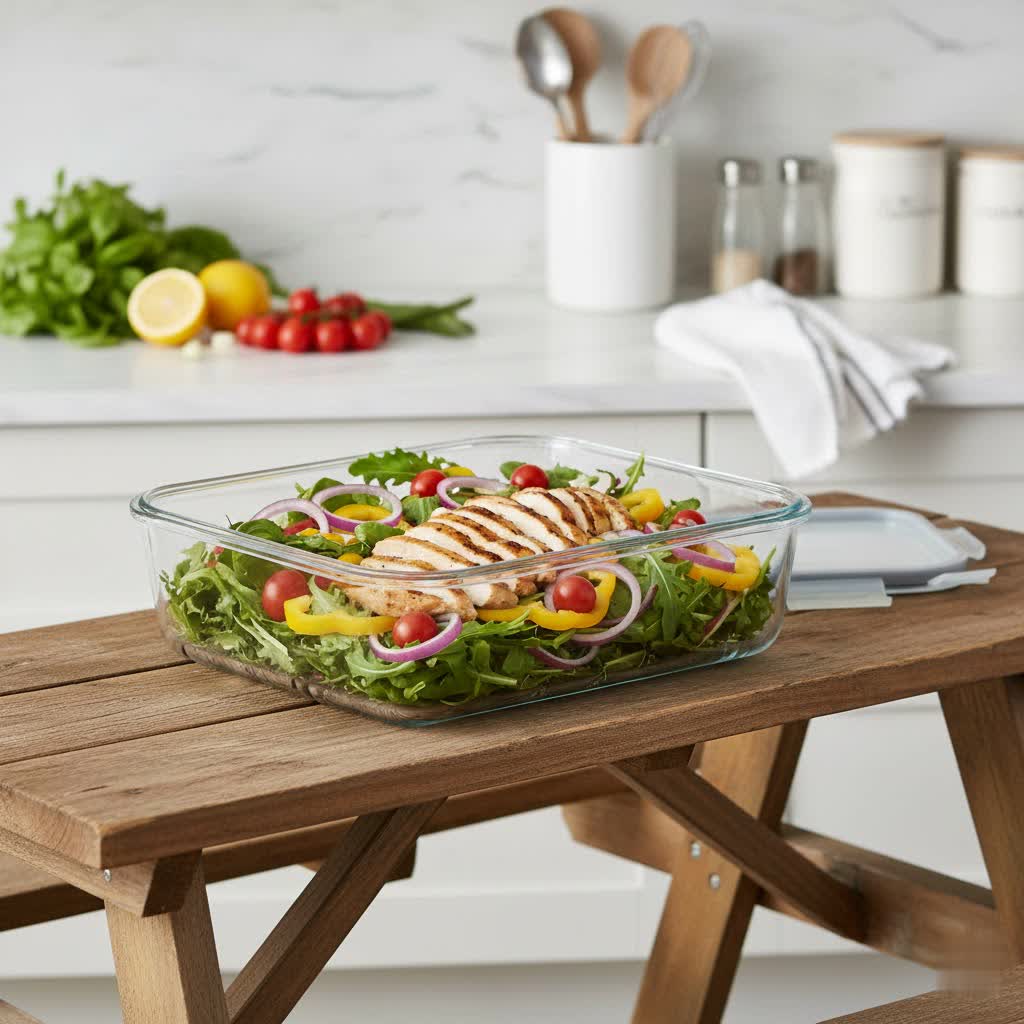
The vibrant world of spices transforms everyday meals into culinary masterpieces. Yet, the secret to truly unlocking their potential lies not just in quality ingredients, but in how we store them. If you’ve ever found your cumin losing its punch or your paprika fading its color, you understand the critical role of an effective spice container. This comprehensive guide will navigate you through everything you need to know about Spice Containers, from understanding different materials and designs to choosing the perfect solutions for your kitchen, ensuring your spices remain as potent and aromatic as the day you bought them.
Spice Containers: Everything You Need to Know
Spice containers are more than just vessels; they are guardians of flavor, color, and aroma. Their primary function is to shield delicate spices from elements that cause degradation: air, light, moisture, and heat. Over time, these elements can strip spices of their essential oils, leading to bland, ineffective ingredients. Proper storage, therefore, is crucial for maintaining the quality and potency of your spice collection, significantly extending their shelf life and preventing contamination.
Historically, spices were stored in simple ceramic pots or woven baskets. As culinary practices evolved and global trade expanded, so did the sophistication of spice storage. Today, the market offers an array of innovative products tailored to modern kitchen needs, blending functionality with aesthetic appeal.
Common types of spice containers available today include:
- Jars: The most prevalent form, typically made of glass or plastic, offering various lid styles like screw-on, shaker, or pour spouts.
- Racks: Designed for organization and easy access, these can be revolving, tiered, pull-out, magnetic, or fit into drawers or over doors.
- Boxes: Traditional designs like “masala dabbas” offer multiple compartments for frequently used Indian spices, while larger storage bins manage bulk purchases.
Factors to Consider When Buying Spice Containers
Choosing the right spice container involves weighing several key factors that impact freshness, convenience, and kitchen aesthetics.
Material of Spice Container
The material of your spice container directly influences its ability to protect spices and its longevity in your kitchen.
- Glass:
- Pros: Glass is non-porous and non-reactive, meaning it won’t absorb odors or leach chemicals into your spices. It forms an excellent barrier against air and moisture, crucial for preserving freshness. Glass is also inert, food-safe, and visually appealing, allowing for easy identification of contents. It’s simple to clean and sterilize, and 100% recyclable. Tinted or amber glass offers added UV protection, guarding against light degradation.
- Cons: The primary drawbacks are fragility and weight. Glass jars can break if dropped and are heavier than plastic alternatives, which might be a concern in busy kitchens or households with children.
- Plastic:
- Pros: Plastic containers are lightweight, shatterproof, and generally more affordable. They offer practicality and portability, making them suitable for short-term use or travel.
- Cons: Many plastics can be porous, allowing small amounts of air to seep in, which can degrade spices over time. They may also absorb odors from potent spices and, when exposed to extreme temperatures, can potentially leach chemicals. Opt for BPA-free plastic to ensure food safety.
- Stainless Steel:
- Pros: Highly durable and provides excellent protection from light, which can be beneficial for light-sensitive spices. Stainless steel containers are also non-reactive.
- Cons: Unlike glass, stainless steel is opaque, making it difficult to identify spices at a glance. They typically require labels.
- Ceramic:
- Pros: Ceramic containers are durable and often chosen for their aesthetic appeal, adding a decorative touch to the kitchen.
- Cons: Like stainless steel, they are opaque. They can also be fragile, similar to glass, and may chip or break if dropped.
|
Our Picks for the Best Food Container in 2026
We may earn a commission when you use one of our links to make a purchase.
|
||
| Num | Product | Action |
|---|---|---|
| 1 | 50 Pack (100-Piece) 32 oz Meal Prep Containers Reusable with Easy Open Lids, Sturdy Leakproof Food Safe, Microwave Freezer Dishwasher Safe, To Go Take Out Plastic Food Storage Pans with Lids, Black |

|
| 2 | Vtopmart 5Pack 22oz Glass Storage Containers with Lids, Glass Meal Prep Food Container Sets with Snap Airtight Lids for Microwave, Oven, Freezer and Dishwasher, Grey |
|
| 3 | Vtopmart 2Pack 1860ml/63oz Large Glass Storage Containers with Lids, Meal Prep Food Container Set with Snap Airtight Lid for Baking, Microwave, Oven, Leak Proof, for Freezer, Dishwasher, Grey |
|
| 4 | Rubbermaid Brilliance Food Storage Containers BPA Free Airtight Lids Ideal for Lunch Meal Prep & Leftovers Set of 5 (3.2 Cup) |
|
| 5 | 60 Sets (120-Piece) Deli Containers with Lids, 32/16/8 oz X 20 Set Each, Leak-Proof & BPA Free Airtight Takeout Plastic Food Storage Containers for Soup, Freezer/Microwave/Dishwasher Safe |
|
| 6 | Martha Stewart Shadowbrook 5-Piece Borosilicate Glass Storage Container Set – Airtight Locking Lids, 21.6 oz Meal Prep, Leftover & Lunch Containers, Microwave, Oven & Dishwasher Safe |
|
| 7 | Rubbermaid 60-Piece Food Storage Containers with Lids, Microwave and Dishwasher Safe, Red Color, Ideal for Meal Prep and Pantry Storage |
|
| 8 | 38oz Meal Prep Containers, Extra Large &Thick Food Storage Containers with Lids, Reusable Plastic,Disposable Bento Box,Stackable,Microwave/Freezer/Dishwasher Safe, BPA Free (30Pack) |
|
| 9 | Glass Food Storage Jars with Airtight Lids – Wide Mouth Pantry Containers, Thick BPA-Free Glass, Moisture & Insect Resistant, Customizable Labels Included – 80 oz x 3 |
|
| 10 | Rubbermaid Brilliance BPA Free Airtight Food Storage Containers with Lids, Set of 4 (4.7 Cup) Ideal for Lunch, Meal Prep, and Leftovers |
|
When safety and freshness are paramount, glass, particularly tinted glass, often emerges as the superior choice due to its chemical stability and protective qualities.
Size and Shape of Spice Container
The dimensions and form of your spice containers impact both storage efficiency and ease of use.
- Capacity: Select a size that aligns with your typical spice usage. For everyday spices, smaller jars (e.g., 4 oz) are ideal, allowing for quicker turnover and maintaining freshness. For bulk spices or those used less frequently, larger containers (e.g., 8-16 oz) can be more economical.
- Shape: Square or rectangular jars are excellent for maximizing storage space in drawers and cabinets, as they fit together without gaps. Round jars are common and often aesthetically pleasing for countertop displays. Specialized containers exist for specific uses, such as tall, narrow jars for cinnamon sticks or wider-mouthed jars for measuring with spoons.
Airtightness and Spill-Proof Capabilities
Airtightness is the single most critical feature for preserving spice freshness. Exposure to air is a leading cause of oxidation, which degrades flavor and aroma.
- Why Airtightness Matters: A tight seal prevents air and moisture from entering, significantly extending the shelf life of your spices and stopping clumping.
- How to Check: Look for containers with screw-on lids that create a firm seal, clamp-seal mechanisms, or silicone/rubber gaskets. When testing, ensure the lid fits snugly with no give or gaps.
- Common Seals: Metal screw caps with liners, cork stoppers, and flip-top or shaker lids with secure closures are all designed to minimize air exposure.
Additional Features
Beyond basic storage, many spice containers offer features that enhance convenience and functionality.
- Microwave, Dishwasher, Freezer Safe: Check product specifications. Glass jars are often microwave and dishwasher safe, while lids may require handwashing. Plastic containers might have limitations for microwave or dishwasher use.
- Special Features:
- Dividers: Some larger containers or storage boxes include internal dividers to keep different spices separate and organized.
- Shaker/Pour Lids: Many jars come with dual-purpose lids, allowing for easy sprinkling or pouring, which is great for cooking and seasoning at the table.
- Labels: Many sets include pre-printed or blank labels, crucial for identifying spices, especially with uniform container sets.
- Funnels: Included funnels make refilling spice jars from bulk bags mess-free.
Comparing Popular Spice Containers
Choosing the “best” spice container often comes down to balancing material benefits with your personal kitchen workflow and aesthetic preferences. Here’s a general comparison to guide your decision:
| Feature | Glass Jars | Plastic Jars | Stainless Steel Tins |
|---|---|---|---|
| Material Safety | Non-reactive, food-safe | BPA-free essential, can absorb odors | Non-reactive |
| Freshness | Excellent (especially tinted/airtight) | Good for short-term, porous for long-term | Excellent (light block, good seal possible) |
| Visibility | High (easy identification) | High | Low (requires labels) |
| Durability | Fragile, can break | Shatterproof | Highly durable, dent-resistant |
| Cleaning | Easy, often dishwasher safe | Easy, check dishwasher compatibility | Easy, handwash recommended to preserve shine |
| Aesthetics | Elegant, classic, modern | Functional, utilitarian | Modern, industrial, can be decorative |
| Cost | Moderate to High | Low to Moderate | Moderate to High |
| Best Use | Long-term storage, display, bulk refills | Everyday use, travel, child-friendly | Light-sensitive spices, minimal counter space |
“The right spice container should not only preserve your spices but also seamlessly integrate into your cooking style and kitchen design,” says a renowned kitchen organization expert. This highlights the blend of practicality and personal preference.
How to Use and Maintain Spice Containers Correctly
Proper usage and consistent maintenance are key to maximizing the life of your spice containers and the freshness of their contents.
Cleaning Spice Containers
Regular cleaning prevents cross-contamination and removes sticky residues or lingering odors.
- By Hand:
- Empty: Remove all spices from the container. Discard any old or expired spices.
- Wash: Wash jars with warm, soapy water. For stubborn residue, a bottle brush or a cloth wrapped around a knife can help reach inside.
- Rinse: Rinse thoroughly with clean, hot water.
- Dry: Crucially, dry completely. Place jars upside down on a drying rack until most water drains, then use a clean dish towel to dry interiors. An electric fan can speed up drying and ensure no moisture remains, as even a tiny drop can spoil spices.
- Lids: Handwash lids, especially those with rubber gaskets or plastic components, to preserve their sealing ability.
- By Dishwasher: Many glass spice jars are dishwasher safe. Place them on the top rack. Always handwash plastic or specialty lids unless explicitly stated otherwise. Even after a dishwasher cycle, ensure jars are fully dry before refilling.
Caring for Your Spice Containers
Thoughtful care extends the life of your containers and the quality of your spices.
- Optimal Storage Location: Store spice containers in a cool, dark place, away from direct sunlight, heat sources (like the stove, oven, or windows), and moisture. A cabinet, pantry, or drawer is ideal. Avoid placing them above the stove, as the heat and steam can rapidly degrade spices.
- Protect from Damage: Handle glass and ceramic jars with care to prevent breakage. For plastic, avoid extreme temperatures that could cause warping or leaching.
- When to Replace: Replace containers if they show signs of damage like cracks, chips, or if lids no longer form a tight seal. Also, discard any spices that have lost their aroma or flavor, regardless of the container. Spices typically last 1-3 years; if you can’t remember when you bought it, and it smells bland, it’s time to let it go.
Where to Buy Spice Containers?
Spice containers are widely available, catering to every budget and style.
- Physical Stores:
- Supermarkets/Hypermarkets: Often carry basic glass and plastic spice jars, sometimes in sets.
- Specialty Kitchen Stores: Offer a wider range of materials, designs, and high-end options, including complete spice organization systems.
- Home Goods Stores (e.g., The Container Store): Known for their extensive selection of organizational products, including various spice jars, racks, and drawer inserts.
- Department Stores (e.g., Target, IKEA): Provide stylish and functional options, often in sets with labels and funnels.
- Online Retailers:
- Amazon, Walmart.com, Target.com, IKEA.com, TheContainerStore.com: These platforms offer vast selections, competitive pricing, customer reviews, and convenient home delivery. You can find everything from individual jars to large bulk sets and specialized organizing solutions.
When shopping, compare prices, check customer reviews for quality and airtightness, and consider whether sets include useful accessories like labels or funnels.
Buying Guide: Choosing the Right Spice Container for Your Needs
Navigating the multitude of options can feel overwhelming. Here’s a step-by-step guide to help you select the perfect spice containers:
Determine Your Usage Needs
Start by assessing how you cook and what you need to store.
- What are you storing? Are they frequently used cooking spices (salt, pepper, garlic powder), baking essentials (cinnamon, nutmeg), or exotic herbs used occasionally? This dictates container size and accessibility.
- What capacity do you need? Do you buy spices in bulk and need large refillable jars, or small quantities that require compact storage?
- What features are essential? Do you need shaker lids for easy sprinkling, pour spouts, or simply airtight storage? Do you require containers that are microwave or dishwasher safe?
- Where will they be stored? Consider your available space: a drawer, cabinet, countertop, wall, or pantry. This will influence the shape and type of organizer you choose (e.g., square jars for drawers, a revolving rack for a counter).
Determine Your Budget
Spice containers range widely in price.
- Entry-level options: Affordable plastic or basic glass jars are readily available from big-box retailers.
- Mid-range options: Glass jars with specific features (e.g., bamboo lids, shaker inserts) or stainless steel tins typically fall into this category.
- Premium options: High-quality, design-focused sets, often with integrated racks or specialized materials, will naturally cost more.
Decide how much you’re willing to invest, keeping in mind that durable, high-quality containers are a long-term investment in your spice collection.
Read User Reviews and Recommendations
Before making a final decision, leverage the experiences of other home cooks.
- Online Reviews: Read customer feedback on product pages to understand real-world performance, especially regarding airtightness, durability, and ease of cleaning.
- Expert Opinions: Consult reviews from reputable culinary or home organization blogs and magazines for unbiased recommendations.
- Friends and Family: Ask for personal recommendations from those who are passionate about cooking and kitchen organization. Their insights can be invaluable for finding solutions that truly work.
Frequently Asked Questions
Are glass spice containers truly better than plastic for freshness?
Yes, glass containers are generally superior for freshness because they are non-porous and non-reactive, creating a more effective barrier against air and moisture, which helps preserve the spice’s potency and flavor longer than most plastics.
How often should I clean my spice containers?
It’s recommended to clean spice containers thoroughly each time you refill them, and at least every six months for less frequently used spices, to remove any residue and prevent contamination.
Can I store spice containers near my stove?
It is not recommended to store spice containers near your stove as the heat can accelerate the loss of flavor, aroma, and essential oils from your spices, degrading their quality quickly.
What is the ideal size for a spice container?
The ideal size depends on your usage. For frequently used spices, 4-ounce jars are common. For less used or bulk spices, 8-ounce or larger containers may be more suitable to minimize refills and accommodate quantity.
Should I use labels on my spice containers?
Absolutely. Using clear labels on both the front and, if applicable, the lid of your spice containers is highly recommended for quick identification and efficient organization, especially when using uniform sets.
How long do spices last in airtight containers?
When stored properly in airtight containers away from heat and light, whole spices can last up to 3-4 years, ground spices 2-3 years, and dried herbs 1-2 years before they begin to lose their potency.
Can I put spice containers in the freezer?
Generally, spices are not recommended for freezer storage as the freezing and thawing process can introduce moisture and degrade their quality. Stick to a cool, dark pantry or cabinet for optimal freshness.