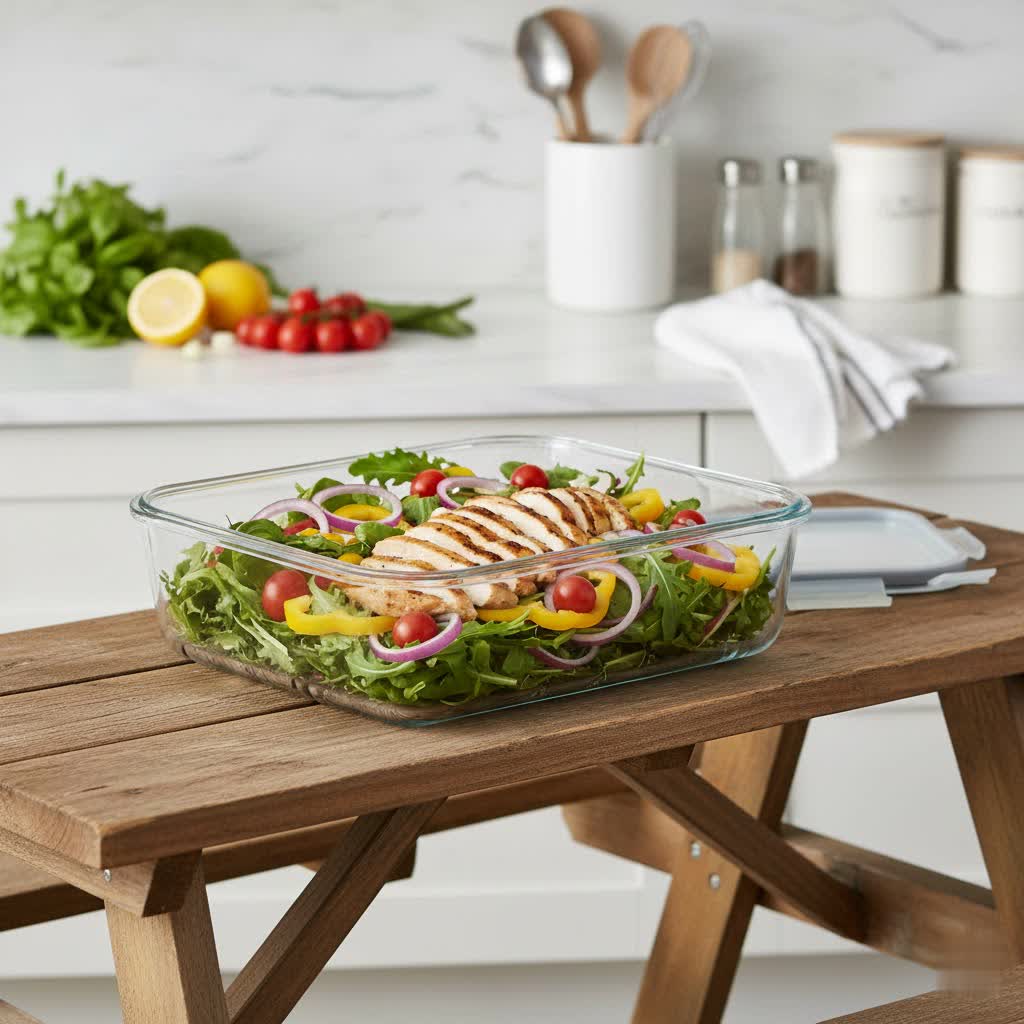
Imagine biting into a warm, comforting meal hours after it was prepared, or savoring a crisp, cool salad on a sweltering afternoon. This isn’t just a dream—it’s the reality an excellent insulated food container offers. In our fast-paced lives, bringing homemade meals on the go is not only healthier and more budget-friendly but also a delightful convenience. The secret lies in a well-chosen insulated food container, designed to maintain your food’s desired temperature for hours. This comprehensive guide will walk you through everything you need to know, helping you select the perfect companion for your culinary adventures.
Insulated Food Containers: Everything You Need to Know
At its core, an insulated food container, often referred to as a food thermos or food jar, is a specialized vessel designed to minimize heat transfer between its contents and the outside environment. These containers typically employ vacuum insulation technology, featuring double walls with a vacuum sealed space between them. This vacuum acts as a barrier, preventing heat from escaping (keeping food hot) or entering (keeping food cold) through conduction and convection, while reflective internal surfaces can further reduce heat transfer via radiation.
The evolution of food storage has come a long way from simple clay pots. Modern insulated containers are a testament to advanced engineering and material science, offering efficient, safe, and portable solutions for today’s dynamic lifestyles. Today, you’ll find a variety of styles, from traditional cylindrical food jars ideal for soups and stews to wider bowls and even bento-style designs that cater to diverse meal types and preferences.
Factors to Consider When Buying an Insulated Food Container
Choosing the ideal insulated food container involves weighing several critical factors to ensure it meets your specific needs and offers lasting performance.
Material of the Insulated Food Container
The material largely determines a container’s insulation effectiveness, durability, and safety.
- Stainless Steel: Predominantly, the Best Insulated Food Containers feature double-walled, food-grade stainless steel construction.
- Pros: Stainless steel is exceptionally durable, rust-resistant, non-reactive (won’t impart flavors), and offers superior insulation properties. It’s also generally easy to clean.
- Cons: Can be heavier than plastic and is not microwave safe.
- Plastic (BPA-free): While the primary insulated body is usually stainless steel, some containers use BPA-free plastic for inner components, lids, or outer shells.
- Pros: Lightweight, sometimes microwave-safe for inner trays (check manufacturer instructions carefully).
- Cons: Generally provides less effective insulation than vacuum-sealed stainless steel, can absorb odors or stains over time, and may be less durable.
- Glass: Less common for insulated containers themselves due to fragility and weight, but sometimes seen in inner food compartments within a larger insulated system.
- Pros: Non-reactive, easy to clean, often microwave and oven safe.
- Cons: Fragile, heavy, and typically does not provide insulation on its own.
|
Our Picks for the Best Food Container in 2026
We may earn a commission when you use one of our links to make a purchase.
|
||
| Num | Product | Action |
|---|---|---|
| 1 | 50 Pack (100-Piece) 32 oz Meal Prep Containers Reusable with Easy Open Lids, Sturdy Leakproof Food Safe, Microwave Freezer Dishwasher Safe, To Go Take Out Plastic Food Storage Pans with Lids, Black |

|
| 2 | Vtopmart 5Pack 22oz Glass Storage Containers with Lids, Glass Meal Prep Food Container Sets with Snap Airtight Lids for Microwave, Oven, Freezer and Dishwasher, Grey |
|
| 3 | Rubbermaid 60-Piece Food Storage Containers with Lids, Microwave and Dishwasher Safe, Red Color, Ideal for Meal Prep and Pantry Storage |
|
| 4 | 60 Sets (120-Piece) Deli Containers with Lids, 32/16/8 oz X 20 Set Each, Leak-Proof & BPA Free Airtight Takeout Plastic Food Storage Containers for Soup, Freezer/Microwave/Dishwasher Safe |
|
| 5 | Martha Stewart Shadowbrook 5-Piece Borosilicate Glass Storage Container Set – Airtight Locking Lids, 21.6 oz Meal Prep, Leftover & Lunch Containers, Microwave, Oven & Dishwasher Safe |
|
| 6 | Vtopmart 2Pack 1860ml/63oz Large Glass Storage Containers with Lids, Meal Prep Food Container Set with Snap Airtight Lid for Baking, Microwave, Oven, Leak Proof, for Freezer, Dishwasher, Grey |
|
| 7 | Rubbermaid Brilliance BPA Free Airtight Food Storage Containers with Lids, Set of 4 (4.7 Cup) Ideal for Lunch, Meal Prep, and Leftovers |
|
| 8 | Glass Food Storage Jars with Airtight Lids – Wide Mouth Pantry Containers, Thick BPA-Free Glass, Moisture & Insect Resistant, Customizable Labels Included – 80 oz x 3 |
|
| 9 | Rubbermaid Brilliance Food Storage Containers BPA Free Airtight Lids Ideal for Lunch Meal Prep & Leftovers Set of 5 (3.2 Cup) |
|
| 10 | 38oz Meal Prep Containers, Extra Large &Thick Food Storage Containers with Lids, Reusable Plastic,Disposable Bento Box,Stackable,Microwave/Freezer/Dishwasher Safe, BPA Free (30Pack) |
|
For health and safety, always prioritize food-grade stainless steel and BPA-free plastics.
Size and Shape of the Insulated Food Container
The capacity and design of your container should align with your portion sizes and the type of food you intend to carry.
- Capacity: Insulated food containers come in various sizes. A 10-ounce container might be perfect for a child’s snack or a single serving of soup, while 16 to 20 ounces is often ideal for an adult-sized meal. Remember, containers that are filled completely tend to retain temperature more effectively, as less air space means less heat transfer.
- Shape:
- Tall and Narrow Jars: Often excel at heat retention, making them superb for liquids like soups, stews, or pasta.
- Wide-Mouth Containers: Easier to fill, eat directly from, and clean, making them versatile for various meals, including solid foods.
- Specialized Shapes: Some containers come with wider, bowl-like designs or multiple compartments, catering to specific meal prep needs or foods like salads and rice bowls.
Airtight and Leakproof Capabilities
A truly effective insulated food container must be leakproof and airtight. This is paramount not only for preventing messy spills in your bag but also for maintaining the internal temperature. A tight seal minimizes air exchange, which is crucial for insulation, and helps preserve the freshness and flavor of your food. Look for containers with robust screw-on lids and high-quality, often removable, silicone gaskets. Removable gaskets are beneficial for thorough cleaning, preventing mold or odor buildup.
Additional Features
Many insulated food containers offer extra functionalities that enhance convenience and usability.
- Microwave and Dishwasher Compatibility: While the stainless steel body is never microwave safe, some inner plastic components might be. Dishwasher safety varies by model; often, hand washing is recommended to preserve the vacuum seal and exterior finish, especially for lids and gaskets.
- Integrated Cutlery: Some designs cleverly incorporate a foldable spoon or spork into the lid or a dedicated compartment, eliminating the need to pack separate utensils.
- Dividers: For multi-component meals, internal dividers keep foods separate until mealtime, preventing sogginess or flavor mixing.
- Lid as a Bowl/Cup: A dual-purpose lid can save space and add convenience, serving as an instant eating vessel.
- Handles or Carrying Loops: These improve portability, especially for larger containers.
Comparing Popular Insulated Food Containers
The market offers a wide array of insulated food containers, each with its strengths. Here’s a general overview of popular brands and types, drawing on common user experiences and product features.
Detailed Comparison Table
| Brand/Type | Material | Typical Capacity (oz) | Heat Retention (Hours) | Cold Retention (Hours) | Key Features | Pros | Cons |
|---|---|---|---|---|---|---|---|
| Stanley Classic | Stainless Steel | 16-24 | 7-12 | 7-12 | Wide mouth, durable, integrated spork/storage | Excellent temperature retention, rugged, iconic design | Can be bulky, spork sometimes hard to detach |
| Thermos Stainless King | Stainless Steel | 16-24 | 5-9 | 9-14 | Integrated folding spoon, lid doubles as cup | Reliable performance, good value, leakproof, often dishwasher safe | Can be narrow for eating, designs are classic but limited |
| Simple Modern Provision | Stainless Steel | 12-16 | 5+ | 5+ | Dishwasher-safe, various colors/patterns | Exceptional insulation, durable, affordable, easy to clean | May have slightly smaller capacities |
| Yeti Food Jar | Stainless Steel | 10-16 | 5+ | 5+ | Wide mouth, durable construction | Premium quality, rugged, excellent temperature stability | Higher price point, no integrated cutlery |
| Hydro Flask Food Jar | Stainless Steel | 12-20 | 5+ | 5+ | Wide mouth, colorful options, durable | Good heat/cold retention, stylish, easy to fill | No integrated cutlery, can be pricier |
| S’well Food Bowl | Stainless Steel | 16-21 | 5+ | 5+ | Inner prep bowl, stylish | Good temperature retention, fashionable, inner bowl convenience | Inner bowl takes up space, no integrated cutlery, pricier |
| LunchBots | Stainless Steel | 10-16 | 3-4 | 3-4 | Kid-friendly, easy-open lid | Designed for kids, durable, good for solid foods | Shorter heat retention for hot liquids, smaller capacity |
| Zojirushi Food Jar | Stainless Steel | 12-17 | 6-8 | 6-8 | Superior vacuum insulation, lid features | Excellent heat retention, often compact, meticulous Japanese design | Can be more expensive, some models have narrower openings |
“For those who prioritize both function and style, brands like S’well offer fashionable designs that perform admirably. But for sheer ruggedness and long-lasting warmth, Stanley remains a classic choice.”
How to Use and Maintain Your Insulated Food Container
Proper usage and maintenance are key to maximizing the lifespan and performance of your insulated food container.
Cleaning Your Insulated Food Container
Keeping your container clean prevents odors and ensures hygiene.
- Hand Washing: Most manufacturers recommend hand washing the stainless steel body with warm, soapy water to protect the vacuum seal and exterior finish.
- Dishwasher: Some components, like lids and gaskets, might be dishwasher safe, but always check specific product instructions. If dishwashing, place on the top rack.
- Gaskets: Always remove silicone gaskets from lids for separate cleaning to prevent mold growth and ensure a tight seal.
- Stubborn Odors/Stains: A mixture of warm water and baking soda can help neutralize persistent odors or remove tough stains. Let it soak for a few hours or overnight before scrubbing.
Storing Your Insulated Food Container
When not in use, ensure your container is completely dry to prevent mildew and odors. Store it with the lid slightly ajar to allow air circulation. Keep it away from direct sunlight or extreme temperatures, which can compromise the materials over time. Replace your container if you notice any damage to the seals, significant dents that might affect the vacuum insulation, or signs of rust or deterioration.
Maximizing Temperature Retention
To get the most out of your insulated food container, follow these tips:
- Preheat or Pre-chill: For hot food, fill the container with boiling water, close the lid, and let it sit for 5-10 minutes. Empty the water before adding your hot food. For cold food, do the same with ice water. This primes the internal temperature of the container, extending retention.
- Fill Completely: As mentioned, a fuller container has less air space, which reduces heat transfer and keeps food hotter or colder for longer.
- Pack Piping Hot/Ice Cold Food: The initial temperature of your food significantly impacts how long it stays at the desired temperature. Heat food hotter than you would typically serve it, or chill it colder.
- Liquid vs. Solid: Liquid-rich foods like soups and stews generally retain heat better than solid, dry foods.
Where to Buy Insulated Food Containers
Insulated food containers are widely available, both online and in physical stores.
- Online Retailers: Websites like Amazon, Walmart, Target, and the official brand websites (Stanley, Thermos, Simple Modern, Hydro Flask, Yeti) offer extensive selections, competitive pricing, and user reviews.
- Brick-and-Mortar Stores: Department stores, home goods stores, outdoor and sporting goods retailers (e.g., REI, Dick’s Sporting Goods), and even some grocery stores carry a range of options.
When purchasing, always check customer reviews for real-world performance insights and verify the retailer’s return policy.
Buying Guide: Choosing the Right Insulated Food Container for Your Needs
Selecting the perfect insulated food container boils down to understanding your lifestyle and priorities.
Identify Your Usage Needs
- Daily Lunches: For work or school, prioritize ease of opening, cleaning, and a capacity that suits your meal size. Leakproof designs are a must.
- Outdoor Adventures (Hiking/Camping): Durability, rugged construction, and maximum heat/cold retention are paramount. Consider larger capacities and integrated features like sporks.
- Specific Foods: If you primarily pack soups, a tall, narrow jar might be best. For salads or more varied meals, a wide-mouth container or one with dividers could be more suitable.
- Kids’ Lunches: Focus on containers that are easy for small hands to open, durable enough to withstand drops, and have appropriate capacities.
Determine Your Budget
Insulated food containers range widely in price, from budget-friendly options under $25 to premium models exceeding $50. While higher prices often correlate with superior materials and longer temperature retention, many mid-range options offer excellent performance and value. Consider how frequently you’ll use the container when setting your budget.
Consult User Reviews
Real-world feedback from other users is invaluable. Reading reviews can provide insights into a container’s actual temperature retention, durability, ease of cleaning, and common issues that might not be apparent from product descriptions alone. Look for consistent praise regarding the features most important to you.
Conclusion
Investing in the best insulated food container is more than just buying a product; it’s investing in convenience, health, and sustainable living. From piping hot soups on a cold day to refreshing salads under the summer sun, the right container ensures your meals are always exactly as you like them, wherever you are. By considering material, size, leakproof design, and additional features, and by following simple usage and cleaning guidelines, you can find a durable, reliable companion for your daily meals and adventures. Ready to upgrade your lunch game and keep your food perfectly preserved?