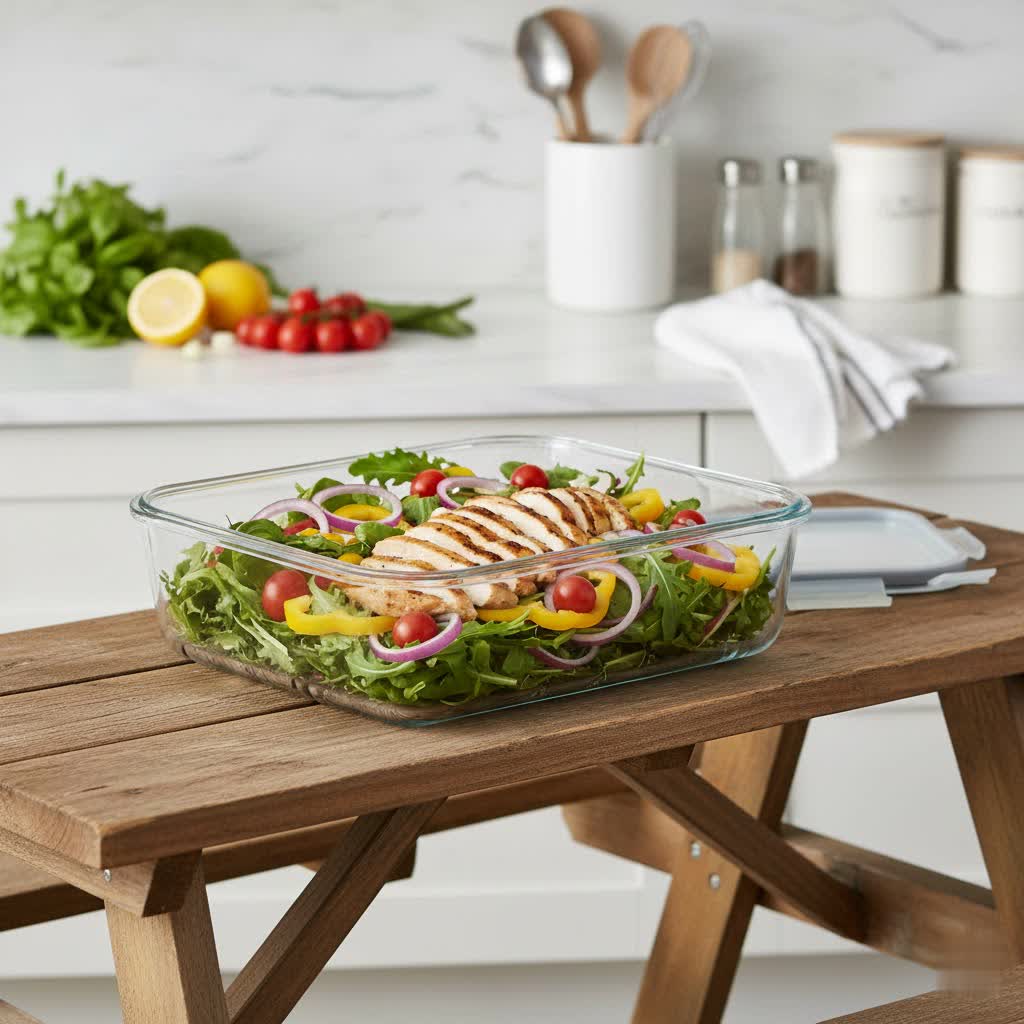
In a world increasingly focused on efficiency and sustainability, keeping your kitchen organized and your food fresh is more important than ever. From minimizing waste to streamlining meal prep, the right food storage containers are unsung heroes. They solve the common dilemmas of stale snacks, messy refrigerators, and overflowing pantries, transforming culinary chaos into a calm, functional space. This comprehensive guide will navigate the diverse landscape of food storage solutions, helping you understand their evolution, evaluate key features, compare popular options, and ultimately choose the perfect containers to elevate your kitchen experience and preserve your delicious creations.
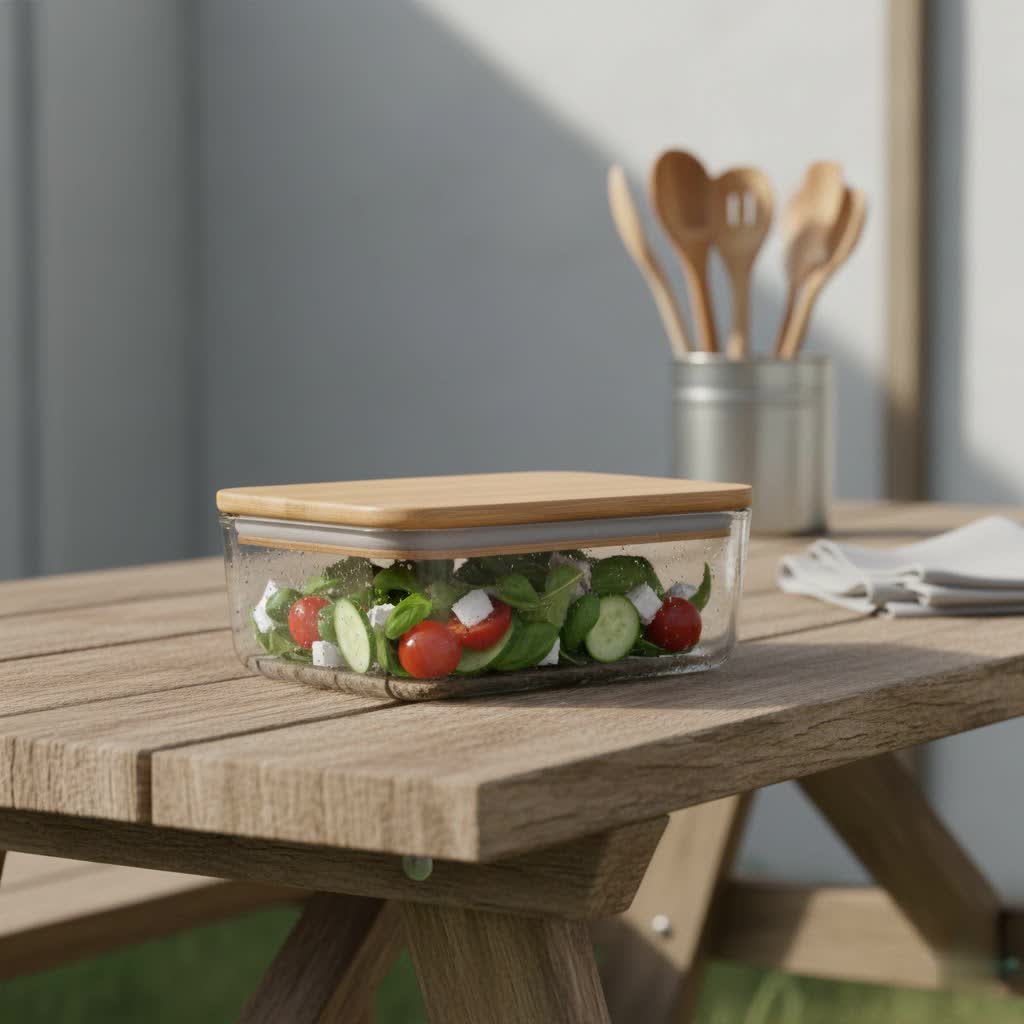
What You Need to Know About Food Containers
Food containers are essentially vessels designed to hold food, protect it from external elements, and maintain its quality over time. While the concept of food preservation dates back centuries, modern food storage containers, particularly those for household use, have evolved significantly, becoming indispensable tools in our kitchens. Early forms of food storage included clay pots and glass jars, which laid the groundwork for today’s advanced designs. The mid-20th century saw the rise of plastic containers, offering lightweight and affordable options. Today, the market boasts a variety of materials and designs, each tailored to specific needs, focusing on safety, durability, and convenience. These containers range from simple plastic tubs to sophisticated glass and stainless steel systems, all aiming to keep food fresh, prevent spoilage, and simplify kitchen organization.
Key Factors When Choosing Food Storage Containers
Selecting the ideal food storage containers involves considering several crucial elements that impact both their functionality and your overall kitchen experience. Thoughtful choices ensure your food stays fresh, your storage is efficient, and your containers last.
Material Matters: Plastic, Glass, Stainless Steel, and More
The material of your food container is arguably its most defining characteristic, influencing everything from durability to safety. Each type comes with its own set of advantages and considerations.
- Plastic: Often the most budget-friendly and lightweight option, plastic containers are convenient for packed lunches and on-the-go meals. However, it’s critical to choose BPA-free food storage containers to avoid potential chemical leaching, especially when heating food. Plastic can also absorb odors and stains over time and is generally less durable than other materials, prone to showing wear and tear. When opting for plastic, prioritize recyclable or reusable options.
- Glass: A popular choice for its non-toxic properties and resistance to stains and odors, glass provides a clear view of contents, making pantry management easier. Glass containers are highly durable, often microwave, oven, and dishwasher safe, offering great versatility. However, they are heavier and more fragile than plastic. Most glass containers come with plastic lids, so checking for BPA-free lids is important.
- Stainless Steel: Gaining popularity for its eco-friendly nature and durability, stainless steel is chemical-free and built to last. It holds temperature well, resists odors, and is easy to clean. The main drawback is its opacity, meaning you can’t see the contents inside. Stainless steel containers are typically not microwave-safe, but excel in cold storage and meal prepping.
- Silicone: Flexible, lightweight, and often BPA-free, food-grade silicone is an excellent option for snacks or items needing to fit into tight spaces. It’s heat-resistant, making it suitable for freezing, microwaving, and even sous vide.
- Ceramic: Great for both storage and serving, ceramic containers are non-reactive and won’t affect the taste of your food. High-quality ceramic is non-toxic and often aesthetically pleasing enough to go straight from fridge to table. Always ensure it’s labeled food-safe and dishwasher-friendly.
|
Our Picks for the Best Food Container in 2026
We may earn a commission when you use one of our links to make a purchase.
|
||
| Num | Product | Action |
|---|---|---|
| 1 | Vtopmart 2Pack 1860ml/63oz Large Glass Storage Containers with Lids, Meal Prep Food Container Set with Snap Airtight Lid for Baking, Microwave, Oven, Leak Proof, for Freezer, Dishwasher, Grey |

|
| 2 | Glass Food Storage Jars with Airtight Lids – Wide Mouth Pantry Containers, Thick BPA-Free Glass, Moisture & Insect Resistant, Customizable Labels Included – 80 oz x 3 |
|
| 3 | Martha Stewart Shadowbrook 5-Piece Borosilicate Glass Storage Container Set – Airtight Locking Lids, 21.6 oz Meal Prep, Leftover & Lunch Containers, Microwave, Oven & Dishwasher Safe |
|
| 4 | Rubbermaid Brilliance Food Storage Containers BPA Free Airtight Lids Ideal for Lunch Meal Prep & Leftovers Set of 5 (3.2 Cup) |
|
| 5 | 50 Pack (100-Piece) 32 oz Meal Prep Containers Reusable with Easy Open Lids, Sturdy Leakproof Food Safe, Microwave Freezer Dishwasher Safe, To Go Take Out Plastic Food Storage Pans with Lids, Black |
|
| 6 | Rubbermaid 60-Piece Food Storage Containers with Lids, Microwave and Dishwasher Safe, Red Color, Ideal for Meal Prep and Pantry Storage |
|
| 7 | Rubbermaid Brilliance BPA Free Airtight Food Storage Containers with Lids, Set of 4 (4.7 Cup) Ideal for Lunch, Meal Prep, and Leftovers |
|
| 8 | Vtopmart 5Pack 22oz Glass Storage Containers with Lids, Glass Meal Prep Food Container Sets with Snap Airtight Lids for Microwave, Oven, Freezer and Dishwasher, Grey |
|
| 9 | 60 Sets (120-Piece) Deli Containers with Lids, 32/16/8 oz X 20 Set Each, Leak-Proof & BPA Free Airtight Takeout Plastic Food Storage Containers for Soup, Freezer/Microwave/Dishwasher Safe |
|
| 10 | 38oz Meal Prep Containers, Extra Large &Thick Food Storage Containers with Lids, Reusable Plastic,Disposable Bento Box,Stackable,Microwave/Freezer/Dishwasher Safe, BPA Free (30Pack) |
|
Size and Shape for Every Need
The dimensions and form of your containers play a significant role in maximizing storage space and suiting specific culinary tasks.
- Capacity: Consider what you’ll be storing. Small containers are perfect for dressings, sauces, or chopped herbs. Medium sizes are ideal for individual meal prep or leftovers. Larger containers are best for bulk dry goods like flour, sugar, or cereal, as well as big batches of soups or stews.
- Space-Saving Design: Look for containers that are stackable or nestable to maximize cabinet or drawer space. Uniform shapes (squares or rectangles) tend to be more efficient for storage than round ones.
- Specialized Containers: The market offers specialized solutions for various foods. Cereal dispensers keep breakfast fresh, baking ingredient containers often include built-in levelers or scoops, and specific boxes are designed for pasta, snacks, or even pet food.
Airtightness and Leak-Proof Design
These features are paramount for food safety and freshness. A truly airtight seal protects food from moisture, air, and pests, significantly extending its shelf life and preventing spoilage.
- Why it’s Important: An airtight seal prevents oxygen from degrading food, keeps moisture in or out as needed, and acts as a barrier against contaminants and pantry pests. For liquids, a leak-proof design is essential to avoid spills and cross-contamination, especially when transporting meals.
- Checking Quality: High-quality containers often feature silicone gaskets or rubber seals around the lid and secure locking mechanisms or press-down buttons. You can test for airtightness by filling a container with water, sealing it, and shaking it vigorously to check for leaks.
- Common Seals: Popular mechanisms include snap-on lids with four latches, vacuum seals (like those found in OXO Pop Containers), and simple press-on silicone lids.
Essential Features for Modern Kitchens
Beyond basic storage, many containers offer additional features that enhance convenience and functionality.
- Microwave, Dishwasher, Freezer Safe: Versatility is key. Many glass and some BPA-free plastic containers are designed to go from the freezer to the microwave (without lids, in some cases) and then into the dishwasher for easy cleanup. Stainless steel is generally freezer and dishwasher safe but not for microwave use.
- Dividers and Compartments: Ideal for meal prepping, containers with integrated dividers keep different food components separate, preventing sogginess and preserving flavors.
- Specialized Accessories: Some container systems offer unique add-ons, such as terracotta brown sugar keepers to keep brown sugar soft, date dials to track freshness, or attachable scoops for dry ingredients.
- Steam Vents: Useful for microwaving, these vents allow steam to escape, preventing pressure buildup and splatters while heating food.
Comparing Popular Food Storage Container Options
Choosing the right food storage containers often comes down to balancing material properties with your specific needs and preferences. Understanding the distinctions between popular types can help you make an informed decision.
Detailed Comparison Table
| Feature | Plastic (BPA-free) | Glass | Stainless Steel | Silicone |
|---|---|---|---|---|
| Durability | Moderate; prone to scratches, staining, and odors | High; resistant to stains/odors, but can chip/break | Very High; dent/scratch resistant, long-lasting | High; flexible, tear-resistant |
| Safety | BPA-free essential; may leach chemicals if heated | Non-reactive, non-toxic | Non-reactive, non-toxic | Non-toxic, BPA-free |
| Transparency | Clear | Clear | Opaque | Translucent/Opaque |
| Microwave Safe | Yes (if marked, without lid sometimes) | Yes (without lid) | No | Yes |
| Oven Safe | No | Yes (without lid) | No | Yes (if high-heat silicone) |
| Freezer Safe | Yes | Yes | Yes | Yes |
| Dishwasher Safe | Yes (top rack recommended) | Yes | Yes | Yes |
| Eco-friendliness | Less sustainable; look for recycled/recyclable | Highly recyclable, long lifespan | Highly recyclable, long lifespan | Reusable, long lifespan |
| Weight | Lightweight | Heavy | Moderate | Lightweight |
| Cost | Affordable | Moderate to High | High | Moderate to High |
| Best For | Everyday leftovers, packed lunches | Meal prep, oven-to-table, long-term freshness | Lunches, dry goods, camping, avoiding plastic | Snacks, compressible storage, sous vide |
> “The material of a food container significantly impacts its functionality. While plastic offers convenience and affordability, glass and stainless steel provide superior durability and chemical safety, making them excellent long-term investments.” – Admin, reviewggmaps.com
This comparison highlights that each material serves different needs. Plastic is convenient and affordable for short-term use, while glass and stainless steel offer more durability, safety, and versatility for long-term storage and diverse cooking methods. Silicone provides a unique blend of flexibility and safety.
Proper Use and Care for Your Food Storage Containers
Extending the lifespan of your food storage containers and ensuring food safety requires diligent use and proper maintenance. Simple habits can prevent damage, odors, and bacterial growth.
Effective Cleaning Practices
Thorough cleaning is essential between each use to protect against bacterial growth and cross-contamination.
- Hand Washing vs. Dishwasher: Always check manufacturer instructions. Many containers are dishwasher-safe, but plastic lids with gaskets are often best washed by hand to preserve their seal. For glass or stainless steel, dishwashing is generally safe. If no instructions are provided, hand wash in warm, soapy water.
- Cleaning Gaskets: Pay special attention to silicone gaskets and indentations where lids attach. These areas can harbor food particles and bacteria. Remove gaskets if possible for a deeper clean, scrubbing with a small brush.
- Removing Odors and Stains: For stubborn odors or stains in plastic containers, a paste of baking soda and water can be effective. Apply it, let it sit for a few hours or overnight, then scrub and rinse. Sunlight can also help neutralize odors in plastic. For glass, vinegar can remove mineral deposits.
Smart Storage and Maintenance
How you store and maintain your containers when not in use is just as important as how you clean them.
- Cooling Food Before Storage: It is not necessary to cool hot foods to room temperature before refrigerating; this can actually be unsafe. Instead, divide large quantities of hot food into smaller containers before placing them in the refrigerator within two hours of serving to facilitate rapid cooling and prevent bacteria growth.
- Stacking and Nesting: To save space, nest containers of similar shapes and sizes together. Store lids separately, ideally in a vertical rack or a designated basket, to keep them organized and easily accessible.
- Avoiding Direct Sunlight and High Heat: Prolonged exposure to direct sunlight or high temperatures (other than during approved cooking/reheating) can warp plastic, degrade seals, and potentially cause certain materials to break down.
- When to Replace: Discard plastic containers if they are cracked, discolored, deformed, or if their airtight seal is compromised. These signs indicate that the material may be breaking down or that bacteria could be accumulating in damaged areas. For glass, replace if chipped or cracked.
Where to Find Your Ideal Food Storage Containers
Finding the perfect food storage containers is easier than ever, with options available from various retailers both online and in physical stores.
- Retail Stores: Stores like The Container Store specialize in organization and offer a wide selection of high-quality food storage solutions, including popular brands like OXO, Rubbermaid, and Anchor Hocking. You can also find good options at general merchandise stores like Target, IKEA, and Home Depot, as well as kitchen supply stores.
- Online Marketplaces: Websites like Amazon offer an extensive range of brands and styles, often with competitive pricing and detailed customer reviews. This allows for easy comparison shopping and access to niche products.
- Tips for Buying:
- Read Reviews: Always check user reviews for insights into real-world performance, durability, and any common issues.
- Check Certifications: For plastic, ensure containers are BPA-free. For all materials, look for food-grade certifications.
- Consider Sets: Many brands offer sets of varying sizes, which can be a cost-effective way to build a cohesive collection.
Buying Guide: Choosing the Right Food Storage for Your Lifestyle
Making the best choice for your kitchen involves a thoughtful assessment of your personal habits, space, and budget.
Assess Your Storage Needs
Start by understanding your primary use cases for food containers.
- Meal Prep: If you regularly prepare meals in advance, look for stackable, portion-controlled containers, often with dividers, that are microwave and dishwasher safe. Glass is an excellent choice here for its versatility.
- Pantry Organization: For dry goods like flour, sugar, pasta, or cereal, prioritize large, airtight containers (like canisters) that prevent moisture and pests. Clear plastic or glass options help with visibility.
- Refrigerator and Freezer Storage: Airtight and leak-proof containers are crucial here. Glass and stainless steel perform well in cold temperatures, with glass offering the added benefit of going from fridge/freezer directly to the oven/microwave.
- On-the-Go Lunches: Lightweight, leak-proof containers are key. BPA-free plastic or stainless steel options with secure latches are often preferred for portability.
- Specific Items: Do you need a dedicated container for berries, herbs, or a specific baking ingredient? Specialized containers often offer better preservation for these items.
Set Your Budget
Food storage containers vary widely in price.
- Affordable Options: Plastic containers are generally the most economical, allowing you to build a collection without a large initial investment.
- Mid-Range to Premium: Glass, stainless steel, and high-quality silicone containers typically represent a larger investment but offer superior durability, safety, and longevity, often saving money in the long run by reducing the need for replacements.
- Long-Term Value: Consider the long-term value, factoring in durability, reusability, and health benefits, rather than just the initial price.
Leverage User Reviews
Customer experiences can provide invaluable insights beyond product descriptions.
- Identify Common Praises: Look for consistent positive feedback on airtightness, durability, ease of cleaning, and overall satisfaction.
- Spot Potential Issues: Be aware of recurring complaints about lids breaking, seals failing, or containers staining.
- Real-World Scenarios: Reviews often describe how products perform in everyday situations, which can help you gauge if a container fits your specific lifestyle.
Conclusion
Food storage containers are far more than simple kitchen accessories; they are fundamental tools for maintaining freshness, enhancing organization, and promoting a more sustainable lifestyle. By carefully considering materials, essential features, and your unique needs, you can curate a collection of food storage containers that not only keeps your food safe and delicious but also simplifies your daily routines. Investing in the right containers is an investment in a more organized, efficient, and enjoyable kitchen.
What steps will you take to optimize your food storage solutions?
Câu Hỏi Thường Gặp
Are plastic food storage containers safe to use?
Plastic food storage containers can be safe, but it’s crucial to choose those labeled “BPA-free” to avoid potential chemical exposure. Even then, avoid heating plastic in the microwave as it can degrade the material and potentially leach chemicals into food. Glass and stainless steel are often preferred for heating and long-term safety.
How do I prevent my food storage containers from smelling?
To prevent odors, always wash containers thoroughly immediately after use, paying close attention to gaskets. For stubborn smells, create a paste of baking soda and water, apply it to the container, let it sit overnight, then scrub and rinse. Exposure to sunlight can also help neutralize odors in plastic containers.
Can I put hot food directly into a storage container in the refrigerator?
Yes, it is safe to put hot food directly into storage containers and then into the refrigerator. In fact, it’s recommended to do so within two hours of serving to rapidly cool the food and prevent bacterial growth, especially for large quantities. Divide big portions into smaller containers for quicker cooling.
What’s the best way to organize food container lids?
To organize food container lids, consider storing them separately from their bases. Vertical lid organizers, small baskets, or drawer dividers are excellent tools to keep lids upright and easily accessible. Nesting containers by size and shape also helps maximize cabinet or drawer space.
Are glass food storage containers oven-safe?
Many glass food storage containers are oven-safe, but always confirm the manufacturer’s instructions. Typically, glass containers can go into a preheated oven without their lids. Avoid sudden temperature changes, such as moving a hot glass container directly to a cold surface, to prevent thermal shock and breakage.