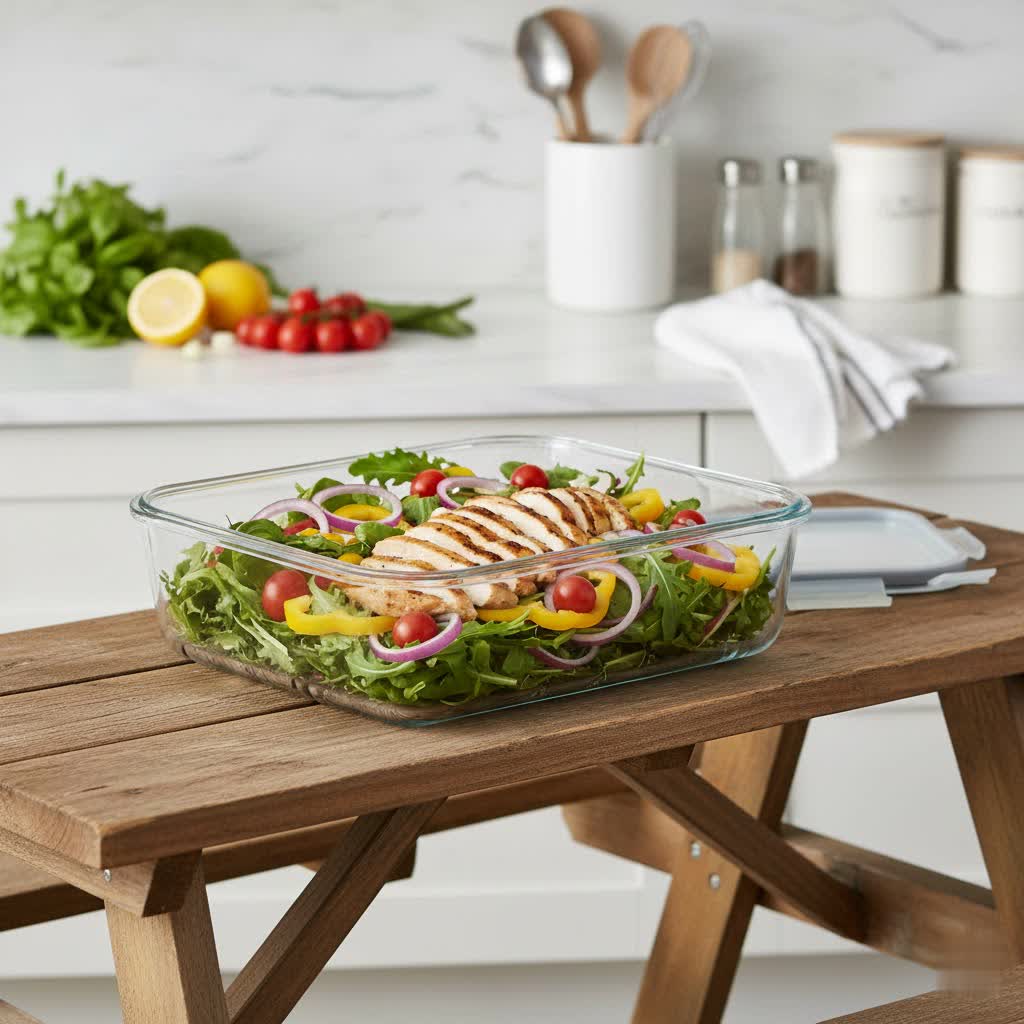
Ever opened your cabinet only to be met with an avalanche of mismatched lids and containers? You’re not alone. In a busy kitchen, food storage containers are essential for everything from preserving leftovers to meal prepping and keeping your pantry staples fresh. However, without a proper system, these indispensable tools can quickly become a source of chaos. Organizing your food storage containers isn’t just about neatness; it’s about optimizing your kitchen’s functionality, extending the life of your food, and simplifying your daily routine.
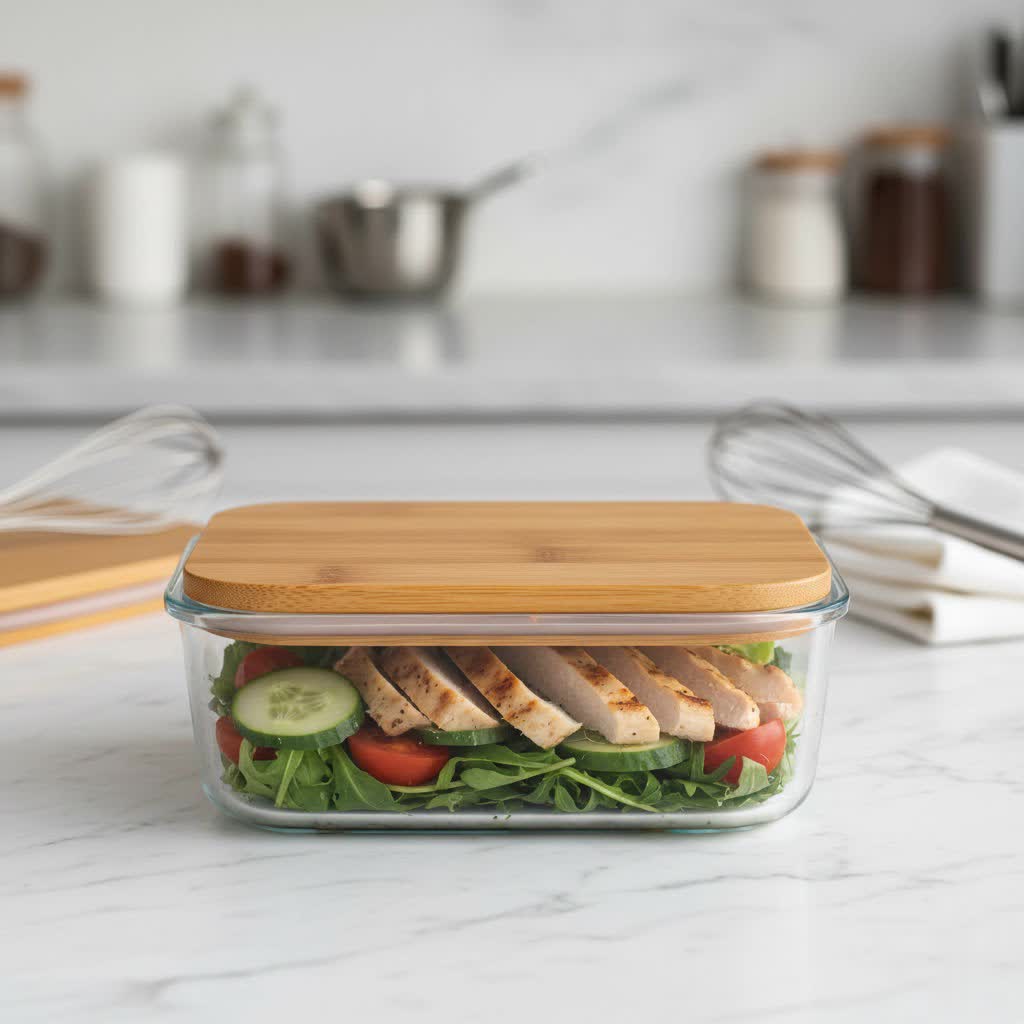
This comprehensive guide will help you navigate the world of Food Storage Container Organizers. With over a decade of experience testing and reviewing hundreds of food storage solutions, we’ll share practical insights to help you choose the best products and implement smart organization strategies tailored to your unique needs. Get ready to transform your kitchen into a perfectly organized and efficient space where every container has its place.
Food Storage Containers: All You Need to Know
A food storage container is more than just a box; it’s a vital tool for food preservation, meal management, and kitchen hygiene. These containers are designed to hold various food items, keeping them fresh and protected from contaminants. From simple plastic tubs to sophisticated glass sets, their evolution reflects a growing demand for convenience, safety, and efficiency in the kitchen.
Historically, food preservation methods were labor-intensive, relying on salting, drying, or canning. The advent of modern materials revolutionized this, leading to the development of various containers. Early plastic food containers, like Tupperware, gained popularity for their lightweight and often stackable designs, making food storage accessible to every household. As concerns about food safety and environmental impact grew, materials like glass and stainless steel emerged as popular alternatives, offering different benefits and expanding the options available to consumers.
Today, the market offers a wide array of food storage containers, each suited for different purposes:
- Airtight Canisters: Ideal for dry goods such as flour, sugar, pasta, and cereals, these often feature secure locking mechanisms or vacuum seals to prolong freshness and deter pests.
- Plastic Containers: Lightweight, durable, and often affordable, plastic containers are excellent for everyday leftovers, meal prep, and packed lunches. Look for BPA-free options for safety. Many plastic sets are designed for optimal stacking.
- Glass Containers: Praised for their non-porous nature, glass containers resist stains and odors, are microwave and oven-safe (without lids), and offer clear visibility of contents. They are perfect for fridge storage and reheating.
- Stainless Steel Containers: Known for their extreme durability and sleek appearance, stainless steel is a safe and eco-friendly choice, particularly good for lunches and dry storage, though they are opaque.
- Silicone Bags/Containers: Flexible, reusable, and freezer-safe, silicone options are growing in popularity as a sustainable alternative for snacks, sous vide, and general food storage.
Choosing the right type depends on your specific needs, whether it’s maximizing pantry space, keeping produce fresh in the fridge, or safely transporting meals.
Essential Factors for Selecting Your Food Storage Containers
When investing in food storage containers, several key factors come into play. Considering these will ensure you pick products that are not only functional but also safe, durable, and suited to your lifestyle.
Material of Food Storage Containers
The material dictates much of a container’s performance and safety. Each comes with its own set of advantages and disadvantages:
- Plastic:
- Pros: Lightweight, durable, often affordable, transparent, and highly versatile. Many are designed for excellent stackability, saving cabinet space. Excellent for packing lunches due to their lighter weight.
- Cons: Can stain (especially with tomato-based sauces) and absorb odors over time. Some plastics may contain BPA, so always look for BPA-free labels.
- Safety: Generally safe for food storage, particularly BPA-free varieties.
- Durability & Cleaning: Most are dishwasher-safe, but handwashing can extend their life, especially for lids to prevent warping.
- Glass:
- Pros: Non-porous, meaning it won’t absorb odors or stains. Oven-, microwave-, and dishwasher-safe (bases). Offers clear visibility of contents. Considered a healthier option.
- Cons: Heavier and more prone to breakage than plastic. Can be more expensive.
- Safety: Extremely safe for all types of food and temperatures.
- Durability & Cleaning: Highly durable against wear and tear, easy to clean, and maintains clarity over time.
- Stainless Steel:
- Pros: Exceptionally durable, rust-resistant, and free from chemicals. Excellent for packing lunches and picnics, keeping food cool.
- Cons: Opaque, so you can’t see the contents. Not microwave-safe. Can be more expensive.
- Safety: Very safe, non-reactive with food.
- Durability & Cleaning: Extremely long-lasting and easy to clean, often dishwasher-safe.
|
Our Picks for the Best Food Container in 2026
We may earn a commission when you use one of our links to make a purchase.
|
||
| Num | Product | Action |
|---|---|---|
| 1 | Rubbermaid 60-Piece Food Storage Containers with Lids, Microwave and Dishwasher Safe, Red Color, Ideal for Meal Prep and Pantry Storage |

|
| 2 | 50 Pack (100-Piece) 32 oz Meal Prep Containers Reusable with Easy Open Lids, Sturdy Leakproof Food Safe, Microwave Freezer Dishwasher Safe, To Go Take Out Plastic Food Storage Pans with Lids, Black |
|
| 3 | Rubbermaid Brilliance BPA Free Airtight Food Storage Containers with Lids, Set of 4 (4.7 Cup) Ideal for Lunch, Meal Prep, and Leftovers |
|
| 4 | Martha Stewart Shadowbrook 5-Piece Borosilicate Glass Storage Container Set – Airtight Locking Lids, 21.6 oz Meal Prep, Leftover & Lunch Containers, Microwave, Oven & Dishwasher Safe |
|
| 5 | Vtopmart 2Pack 1860ml/63oz Large Glass Storage Containers with Lids, Meal Prep Food Container Set with Snap Airtight Lid for Baking, Microwave, Oven, Leak Proof, for Freezer, Dishwasher, Grey |
|
| 6 | Rubbermaid Brilliance Food Storage Containers BPA Free Airtight Lids Ideal for Lunch Meal Prep & Leftovers Set of 5 (3.2 Cup) |
|
| 7 | 60 Sets (120-Piece) Deli Containers with Lids, 32/16/8 oz X 20 Set Each, Leak-Proof & BPA Free Airtight Takeout Plastic Food Storage Containers for Soup, Freezer/Microwave/Dishwasher Safe |
|
| 8 | Glass Food Storage Jars with Airtight Lids – Wide Mouth Pantry Containers, Thick BPA-Free Glass, Moisture & Insect Resistant, Customizable Labels Included – 80 oz x 3 |
|
| 9 | Vtopmart 5Pack 22oz Glass Storage Containers with Lids, Glass Meal Prep Food Container Sets with Snap Airtight Lids for Microwave, Oven, Freezer and Dishwasher, Grey |
|
| 10 | 38oz Meal Prep Containers, Extra Large &Thick Food Storage Containers with Lids, Reusable Plastic,Disposable Bento Box,Stackable,Microwave/Freezer/Dishwasher Safe, BPA Free (30Pack) |
|
Size and Shape of Food Storage Containers
The right size and shape can dramatically impact your storage efficiency and usability.
- Capacity: Consider your typical usage. Do you need containers for single-serving meal prep, bulk dry goods, or family-sized leftovers? A variety of sizes in a set is often ideal to accommodate different needs.
- Space-saving Shapes: Rectangular and square containers generally utilize space more efficiently in pantries and refrigerators than round ones. Uniform sizes and shapes are key to fitting more items into your pantry and creating a neater appearance.
- Specialized Containers:
- Lunch Boxes: Often feature dividers or multiple compartments for balanced meals. Bento boxes are popular for this.
- Soup Containers: Typically round with extra-secure, leak-proof lids to prevent spills.
- Produce Savers: Designed with vents and elevated bases to extend the freshness of fruits and vegetables.
- Cereal Keepers: Tall, slender containers with easy-pour spouts.
Airtight and Leak-Proof Capabilities
This is paramount for both food preservation and preventing messy spills.
- Why Airtight Matters: An airtight seal keeps oxygen out, significantly slowing down spoilage and keeping dry goods fresh for longer. It also prevents odors from escaping or contaminating other foods in your fridge.
- Checking the Seal: Look for lids with strong snap-on latches or rubber/silicone gaskets that create a tight seal. Many brands highlight their leak-proof features. When testing, a container filled with water or colored liquid should hold its contents without dripping, even when shaken.
- Common Sealing Mechanisms:
- Snap-on Lids: Feature clips on all four sides that lock onto the container, often with a silicone gasket for an extra seal.
- Pop-top Lids: A button in the center creates and releases an airtight seal (e.g., OXO Good Grips POP).
- Twist-on Lids: Common for jars and canisters.
Additional Features
Modern food containers often come with features that enhance convenience and functionality.
- Microwave, Dishwasher, Freezer Safe: These certifications are crucial for modern kitchens. Always check specific instructions, as lids may not always be microwave or dishwasher safe. Glass bases are usually oven-safe, expanding their utility.
- Divided Sections: Built-in dividers are great for meal prep, allowing you to separate different food components without them touching.
- Ventilation Valves: Some containers have small vents in the lid for safe microwaving, preventing steam buildup.
- Stackable Design: Many containers are designed to nest within each other when empty or stack securely when full, saving valuable storage space. Rubbermaid Brilliance, for instance, is noted for its stackability.
- Clear Visibility: Transparent containers (glass or clear plastic) allow you to quickly see what’s inside, reducing food waste and making meal planning easier.
- Universal Lids: Some brands offer lid systems where one lid size fits multiple container sizes, simplifying storage and matching.
Comparing Popular Food Storage Container Organizers
Choosing from the vast selection can be daunting. Here’s a brief look at some popular options, highlighting their strengths and what they’re best suited for based on expert reviews:
| Feature | Rubbermaid Brilliance (Plastic & Glass) | OXO Good Grips POP Containers | Glasslock Assorted Sets (Glass) | Sistema (Plastic) |
|---|---|---|---|---|
| Material | BPA-free Plastic & Glass | BPA-free Plastic | Tempered Glass | BPA-free Plastic |
| Airtightness | Excellent, secure latches | Superior, push-button seal | Excellent, snap-lock lids | Good, clip closures |
| Stackability | Highly stackable, uniform sizes | Designed for efficient stacking | Good, especially for fridge | Good, some bento styles |
| Visibility | High (clear) | High (clear) | High (clear) | High (clear) |
| Microwave Safe | Yes (vented lids for plastic) | Yes (with vent or lid removed) | Yes (bases only) | Yes (some models) |
| Dishwasher Safe | Yes (top rack recommended) | Yes (parts disassemble for cleaning) | Yes | Yes (top rack recommended) |
| Freezer Safe | Yes | Yes | Yes | Yes |
| Best For | Versatile use, meal prep, leftovers | Dry pantry goods, baking supplies | Leftovers, reheating, fridge | Lunches, snacks, meal prep |
| Pros | Leak-proof, stain-resistant, clear, sturdy, universal lids (glass) | Easy one-handed opening, modular design, accessories available | Durable, no stains/odors, oven-safe bases | Durable, good for kids, dividers, BPA-free |
| Cons | Lids can be cumbersome to store (plastic), faint staining possible | Can be pricey, attached lids can make some models top-heavy | Heavier, prone to breakage if dropped | Can warp if exposed to high heat in dishwasher, some lids difficult to secure |
This table offers a snapshot, but individual sets vary. For instance, Rubbermaid Brilliance is a top pick for both plastic and glass options due to its durability and lack of leakage, staining, or odor accumulation. OXO Good Grips POP containers are consistently recommended for pantry organization due to their airtight seal and modular design.
Proper Use and Care for Your Food Storage Containers
Even the best containers won’t last without proper care. Following simple guidelines for cleaning and storage can extend their lifespan and maintain their effectiveness.
Cleaning Your Food Storage Containers
Keeping your containers pristine is key to preventing odors, stains, and bacterial growth.
- Handwashing vs. Dishwasher: While most containers are dishwasher-safe, handwashing can often be gentler, especially for plastic lids and seals, preventing warping and prolonging their life. Always use warm, soapy water.
- Safe and Effective Cleaners: Mild dish soap is usually sufficient. Avoid abrasive scrubbers that can scratch plastic or glass, potentially creating crevices where bacteria can hide.
- Removing Odors and Stains:
- Odors: For stubborn smells (like garlic or onions), soak plastic containers in a solution of warm water and baking soda, or rub a lemon half on the inside before washing. Leaving them open in sunlight can also help.
- Stains: For tomato sauce stains on plastic, try rubbing with a paste of baking soda and water, or leaving them in direct sunlight for a few hours after washing. Some containers, like glass, are naturally stain-resistant.
Storing Your Food Storage Containers
An organized storage system prevents the dreaded “container avalanche” and ensures you can easily find what you need.
- Separate Lids and Bases: This is a game-changer for organization. Store all containers nested by similar shape and size, and keep all lids together, ideally vertically in a separate bin or drawer divider. This approach makes it easy to grab the right lid without rummaging.
“Put the lids in a bin, filed vertically like books on a shelf,” advises Tara Bremer, Founder and Owner of House Peace. “They are easier to view, increasing the chances of finding the correct one quickly.”
- Utilize Drawer Dividers and Pegboards: These tools can create custom compartments within drawers, keeping containers and lids neatly separated and preventing them from sliding around.
- Avoid Direct Sunlight and High Heat: Prolonged exposure to direct sunlight or excessive heat (e.g., storing next to an oven) can cause plastic containers to warp or degrade over time.
- Know When to Replace: Regularly inspect your containers. If plastics are heavily scratched, stained, warped, or if seals are broken or cracked, it’s time to replace them. These damages can harbor bacteria and compromise food freshness. Glass containers, while more durable, should be replaced if chipped or cracked.
Where to Buy Food Storage Container Organizers
Finding the right food storage container organizers involves knowing where to look, both in physical stores and online.
- Reputable Stores:
- Specialty Organization Stores: Retailers like The Container Store offer a vast selection of containers and organizational accessories, often providing curated solutions and expert advice.
- Department Stores & Home Goods Stores: Many large retailers carry popular brands and a good variety of materials and sizes.
- Supermarkets/Grocery Stores: Convenient for basic plastic sets, but often have a limited selection.
- Online Retailers:
- Amazon, Walmart, Target: Offer enormous selections from various brands, competitive pricing, and user reviews which can be very helpful for decision-making.
- Brand Websites: Buying directly from brands like Rubbermaid, OXO, or Sistema can offer the full range of their products and sometimes exclusive deals.
- IKEA: Known for affordable, stackable food storage containers and clever drawer inserts and organizers.
- Considerations for Online Shopping:
- Read Reviews: Pay attention to feedback on airtightness, durability, and ease of cleaning.
- Check Dimensions: Ensure containers will fit your specific pantry, cabinet, or drawer spaces.
- Return Policies: Familiarize yourself with them in case the product doesn’t meet expectations.
Buying Guide: Choosing the Right Food Storage Container Organizer for You
The “best” container organizer isn’t universal; it’s what fits your specific lifestyle and kitchen.
Define Your Usage Needs
Start by honestly assessing how you’ll use these containers.
- Primary Purpose: Are you mainly storing dry pantry goods (flour, sugar, pasta), packing daily lunches, saving dinner leftovers, or meal prepping for the week?
- Volume Requirements: Do you need large bulk storage for staples or small containers for snacks and sauces? Consider what quantities of food you typically handle.
- Desired Features: Is microwave-safe a must-have? Do you need freezer-safe options? Is aesthetic appeal for countertop storage important? Uniform containers, for example, not only look good but also help maximize space.
Set Your Budget
Food storage containers vary widely in price.
- Price Range: Basic plastic sets can be quite inexpensive, while high-quality glass, stainless steel, or extensive modular systems can be a significant investment.
- Value vs. Cost: Sometimes, spending a bit more on durable, well-designed containers (e.g., Rubbermaid Brilliance, OXO POP) can save you money in the long run by reducing food waste and the need for frequent replacements.
Consult User Reviews and Expert Opinions
Leverage the experience of others to make an informed decision.
- Online Reviews: Websites like Good Housekeeping, Serious Eats, Allrecipes, and The Spruce Eats often conduct rigorous testing and provide detailed reviews of top-performing containers.
- Word-of-Mouth: Ask friends and family for their recommendations, especially those with similar kitchen layouts or cooking habits.
By thoughtfully considering these aspects, you can move beyond the clutter and find food storage container organizers that truly enhance your kitchen’s efficiency and your daily life.
Conclusion
Organizing your food storage containers doesn’t have to be a daunting task. By understanding the different types and materials available, prioritizing airtightness and stackability, and adopting smart storage techniques like separating lids from bases, you can transform your kitchen from chaotic to perfectly controlled. Investing in the right food storage container organizer system will not only extend the freshness of your food and optimize your kitchen space but also simplify meal preparation and cleanup. What changes will you make to bring order to your kitchen’s food storage containers this week?
Frequently Asked Questions
What is the best way to store food container lids?
The most effective method is to store lids vertically in a separate bin or drawer divider, much like filing books on a shelf. This allows for quick visibility and access, preventing a messy pile and making it easier to find the correct lid for your containers.
How can I make my food storage containers fit better in a small kitchen?
In a small kitchen, opt for uniform, stackable containers, preferably rectangular or square, to maximize vertical and horizontal space. Consider drawer dividers or pegboards to keep items contained, and declutter regularly to remove unused or unmatched pieces.
Are plastic food storage containers safe?
Yes, most modern plastic food storage containers are safe, especially those labeled “BPA-free” and designed for food contact. However, avoid microwaving plastic containers with highly acidic or oily foods, as heat can cause chemicals to leach into food. Glass and stainless steel are alternative safe options.
How often should I replace my plastic food storage containers?
Plastic food storage containers should be replaced when they show signs of wear and tear, such as heavy scratches, warping, deep stains, or if the lids no longer seal properly. These damages can harbor bacteria and compromise food safety and freshness.