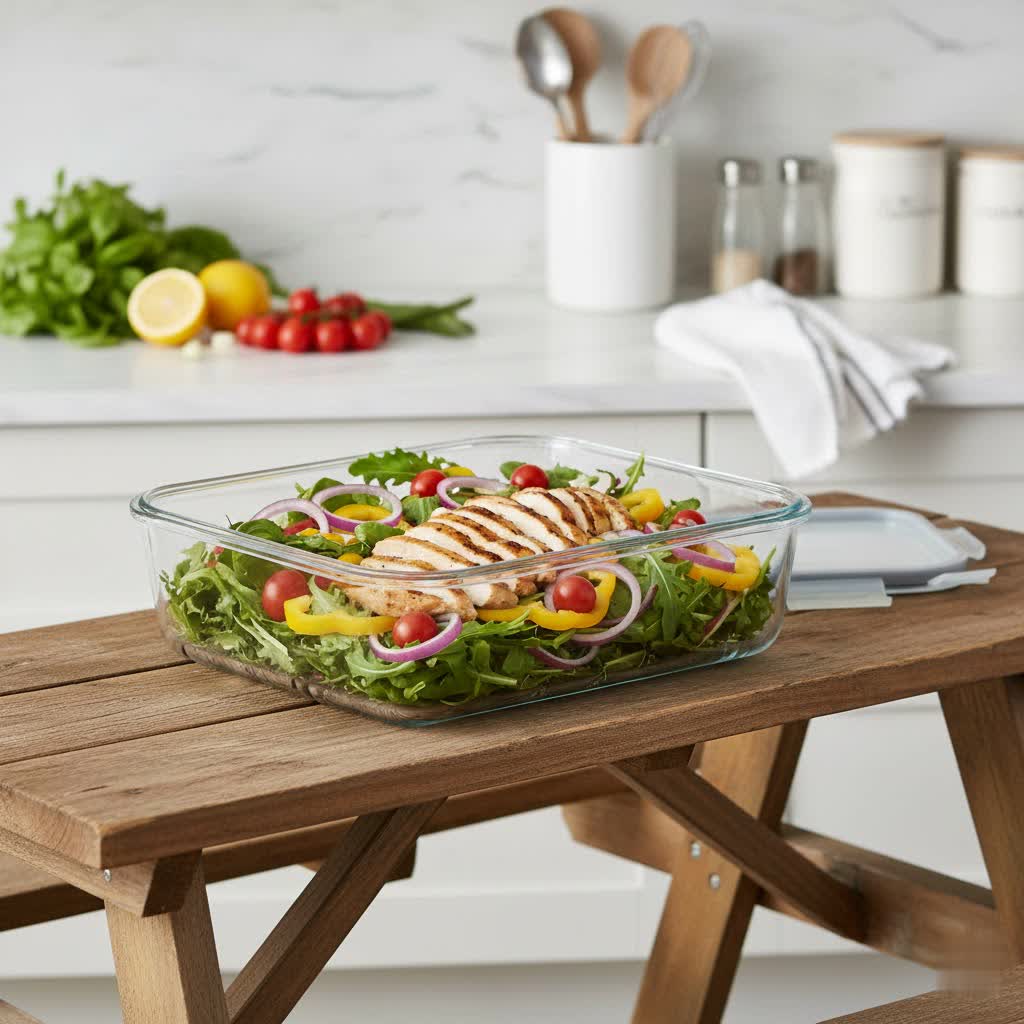
Bringing homemade hot meals to work, school, or on adventures has become an essential part of a healthy and sustainable lifestyle. But how do you ensure your steamy soup or hearty pasta remains piping hot until lunchtime? The answer lies in the marvel of the Insulated Lunch Container For Hot Food. More than just a simple box, these innovative vessels are designed to defy temperature changes, keeping your culinary creations warm and inviting for hours. If you’ve ever dreamt of enjoying a truly hot meal away from your kitchen, understanding and choosing the right insulated container is your first step.
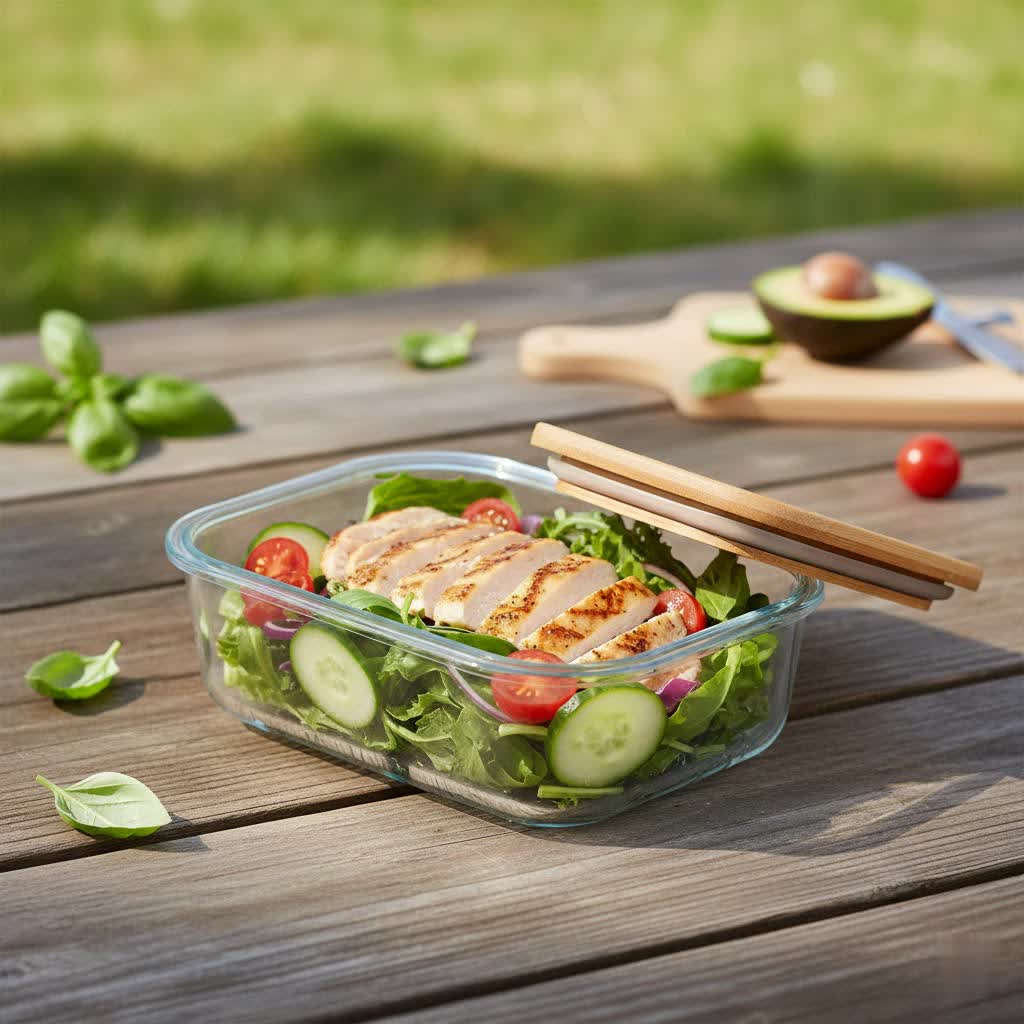
What is an Insulated Lunch Container for Hot Food?
An insulated lunch container, often referred to as a food jar or thermal container, is a specialized vessel designed to maintain the temperature of its contents, primarily hot foods, over an extended period. The core technology behind most effective containers is vacuum insulation. This involves two walls of material, typically stainless steel, separated by a vacuum. This vacuum acts as a barrier, preventing heat transfer through conduction and convection, thereby slowing down the rate at which your hot food cools. Many high-quality insulated containers can keep food hot for up to 5 to 12 hours.
Why You Need an Insulated Lunch Container
The benefits of investing in a quality insulated lunch container are manifold. For daily commuters and students, it means access to comforting, warm meals without relying on microwaves or unhealthy takeout. This not only promotes healthier eating habits by encouraging home-cooked meals but also offers significant cost savings over time by reducing restaurant expenses. Furthermore, by opting for reusable containers, you contribute to environmental protection by minimizing the use of single-use plastics and disposable packaging.
Key Factors to Consider When Buying an Insulated Lunch Container
Choosing the perfect insulated lunch container involves evaluating several critical aspects, from the materials used to its specific features.
Material Matters: The Heart of Your Container
The material of your insulated lunch container directly impacts its performance, durability, and safety.
- Stainless Steel: This is considered the “gold standard” for insulated food containers due to its exceptional properties. Stainless steel is highly durable, resistant to corrosion, and does not retain odors or stains from food. Most importantly, it is the primary material for effective vacuum insulation, keeping food hot (or cold) for many hours. Stainless steel is also BPA-free and non-toxic, ensuring food safety. However, stainless steel containers cannot be used in a microwave.
- Plastic: While some plastic containers (specifically polypropylene or PP) are microwave-safe, they generally offer minimal insulation. Hot food in plastic containers can raise concerns about chemical leaching, even in “food-grade” plastics, making stainless steel a safer choice for hot meals.
- Glass: Glass containers are excellent for food safety and do not leach chemicals, but they are heavy and fragile, making them less ideal for on-the-go hot food insulation. They often require external insulation or reheating.
- Silicone: Often used for gaskets and seals, silicone is heat-resistant, flexible, and helps create a leak-proof barrier.
|
Our Picks for the Best Food Container in 2026
We may earn a commission when you use one of our links to make a purchase.
|
||
| Num | Product | Action |
|---|---|---|
| 1 | Glass Food Storage Jars with Airtight Lids – Wide Mouth Pantry Containers, Thick BPA-Free Glass, Moisture & Insect Resistant, Customizable Labels Included – 80 oz x 3 |

|
| 2 | Vtopmart 2Pack 1860ml/63oz Large Glass Storage Containers with Lids, Meal Prep Food Container Set with Snap Airtight Lid for Baking, Microwave, Oven, Leak Proof, for Freezer, Dishwasher, Grey |
|
| 3 | 38oz Meal Prep Containers, Extra Large &Thick Food Storage Containers with Lids, Reusable Plastic,Disposable Bento Box,Stackable,Microwave/Freezer/Dishwasher Safe, BPA Free (30Pack) |
|
| 4 | Rubbermaid Brilliance Food Storage Containers BPA Free Airtight Lids Ideal for Lunch Meal Prep & Leftovers Set of 5 (3.2 Cup) |
|
| 5 | 60 Sets (120-Piece) Deli Containers with Lids, 32/16/8 oz X 20 Set Each, Leak-Proof & BPA Free Airtight Takeout Plastic Food Storage Containers for Soup, Freezer/Microwave/Dishwasher Safe |
|
| 6 | 50 Pack (100-Piece) 32 oz Meal Prep Containers Reusable with Easy Open Lids, Sturdy Leakproof Food Safe, Microwave Freezer Dishwasher Safe, To Go Take Out Plastic Food Storage Pans with Lids, Black |
|
| 7 | Vtopmart 5Pack 22oz Glass Storage Containers with Lids, Glass Meal Prep Food Container Sets with Snap Airtight Lids for Microwave, Oven, Freezer and Dishwasher, Grey |
|
| 8 | Rubbermaid 60-Piece Food Storage Containers with Lids, Microwave and Dishwasher Safe, Red Color, Ideal for Meal Prep and Pantry Storage |
|
| 9 | Martha Stewart Shadowbrook 5-Piece Borosilicate Glass Storage Container Set – Airtight Locking Lids, 21.6 oz Meal Prep, Leftover & Lunch Containers, Microwave, Oven & Dishwasher Safe |
|
| 10 | Rubbermaid Brilliance BPA Free Airtight Food Storage Containers with Lids, Set of 4 (4.7 Cup) Ideal for Lunch, Meal Prep, and Leftovers |
|
Size and Capacity: Finding Your Perfect Fit
The ideal size of your insulated food container depends on your specific needs. For a small serving of soup, a 10-ounce container might suffice, while a full meal often requires 16 ounces or more. Keep in mind that leaving too much empty space in the container can cause food to cool down faster, as air conducts heat more readily than solid or liquid food. Therefore, it’s best to choose a jar that closely matches the volume of food you plan to pack.
Lid and Seal: Preventing Leaks and Retaining Heat
A robust lid and secure seal are paramount for both temperature retention and preventing leaks. Look for containers with a wide mouth opening, which makes filling, eating, and cleaning much easier. The lid should be leak-proof, often featuring thick, easily removable gaskets for thorough cleaning. Some lids may have a textured or handled design to aid opening, especially when pressure builds up from hot contents.
Insulation Performance: How Long Will it Stay Hot?
The primary purpose of these containers is to keep food hot. High-quality vacuum-insulated stainless steel jars can keep food hot for typically 5 to 12 hours. This performance is influenced by factors like the initial temperature of the food and whether the container was pre-heated.
Additional Features for Convenience
Modern insulated lunch containers often come with features that enhance user experience:
- Integrated Utensils: Some models include a foldable spoon or spork that stores conveniently within the lid, eliminating the need to pack separate cutlery.
- Multiple Compartments: While less common for dedicated hot food jars, some bento-style insulated containers offer compartments for different food items.
- Dishwasher Safe: Many stainless steel containers are advertised as dishwasher-safe, but often, handwashing is recommended to preserve the finish and seals over time. Gaskets should always be removed and cleaned separately.
Popular Types of Insulated Lunch Containers
Insulated Food Jars
Insulated food jars are the most common and effective type of container for hot food. They are typically cylindrical, made of double-walled stainless steel with vacuum insulation, and designed with a wide mouth for easy eating and cleaning. They are perfect for soups, stews, pasta, oatmeal, and curries.
Insulated Bento Boxes
While traditional bento boxes are not typically insulated for hot food, some newer designs incorporate insulated compartments or are designed to hold smaller insulated food jars within them, offering a combination of hot and cold storage.
Insulated Lunch Bags
Insulated lunch bags, often made with reflective aluminum inner layers and foam padding, primarily serve to keep contained items cool with ice packs. They can also offer an additional layer of insulation for an insulated food jar, further helping to maintain its temperature, but they are not designed to keep food hot on their own.
How to Properly Use and Maintain Your Insulated Lunch Container
To get the most out of your insulated lunch container and ensure food safety, proper usage and maintenance are key.
Maximizing Heat Retention: The Pre-heating Trick
For optimal heat retention, always pre-heat your insulated food container before adding hot food. This simple step can significantly extend how long your meal stays warm.
- Boil Water: Fill the container with boiling water.
- Seal and Wait: Close the lid tightly and let it sit for about 5 to 10 minutes.
- Empty and Dry: Carefully pour out the hot water and quickly dry the interior.
- Add Hot Food: Immediately place your piping hot food into the pre-warmed container and seal it tightly.
Food Safety: Keeping Your Meal Out of the Danger Zone
Food safety is paramount when packing hot meals. Bacteria multiply rapidly in the “danger zone,” which is between 40°F (4°C) and 140°F (60°C). To prevent bacterial growth, ensure your food is heated to at least 140°F (60°C) before packing. It is crucial that hot food remains at or above this temperature until consumption. Perishable foods should not be left in the danger zone for more than two hours (or one hour if the ambient temperature is above 90°F/32°C). Saucy foods, like soups and pasta, tend to retain heat better and longer than drier foods such as chicken nuggets.
Cleaning and Care for Longevity
Most insulated food containers require regular cleaning to prevent odors and maintain hygiene. While some components may be dishwasher-safe, handwashing is often recommended for the main insulated body to protect the vacuum seal and exterior finish. Always remove and thoroughly clean gaskets and seals, as food particles can get trapped, leading to odors and potential bacterial growth. Store your container with the lid ajar to allow for air circulation.
Buying Guide: Choosing the Right Insulated Lunch Container for You
Navigating the market for an insulated lunch container can be overwhelming with countless options available. Here’s a concise guide to help you make an informed decision:
1. Assess Your Needs
Start by considering your primary use case. Are you packing soup for a child’s school lunch, a hearty stew for your office meal, or a warm dish for a picnic? This will dictate the ideal capacity, features (e.g., integrated spoon for kids), and portability requirements. A larger container might be suitable for a main course, while a smaller one could be perfect for a side dish or snack.
2. Set Your Budget
Insulated lunch containers vary widely in price based on brand, material quality, and features. Establish a budget, but remember that a higher upfront investment in a reputable brand often translates to better temperature retention, durability, and overall value in the long run. Brands like Stanley, Thermos, and Zojirushi are known for their performance and longevity.
3. Read Reviews and Compare
Before making a purchase, consult independent reviews and comparison guides. Pay close attention to feedback regarding actual heat retention performance, leak-proof claims, durability under daily use, and ease of cleaning. User experiences can provide valuable insights that specifications alone might not reveal.
Conclusion
An insulated lunch container for hot food is a game-changer for anyone seeking convenience, healthier eating, and environmental responsibility. By understanding the science of insulation, prioritizing durable and safe materials like stainless steel, and employing proper usage techniques like pre-heating, you can confidently enjoy a warm, homemade meal wherever you go. The right container transforms your daily routine, bringing a touch of home-cooked comfort to your busiest days.
Frequently Asked Questions
How long does an insulated lunch container keep food hot?
Most high-quality vacuum-insulated food containers can keep food hot for 5 to 12 hours, depending on the initial temperature of the food, the container’s design, and whether it was pre-heated.
Can I put my insulated food container in the microwave?
No, insulated food containers made of stainless steel should never be put in a microwave as it can damage the appliance and the container itself due to the metal.
What kind of food stays hottest in an insulated container?
Saucy foods like soups, stews, chilis, and pasta dishes tend to stay hotter longer than drier foods, such as chicken nuggets or plain rice, due to their higher moisture content and density.
Are insulated food containers safe for kids?
Yes, many insulated food containers are designed specifically for children, often made from BPA-free stainless steel and featuring easy-to-open lids. Always ensure the food is at a safe, edible temperature before giving it to a child.
How do I prevent my insulated food container from smelling?
To prevent odors, always wash your container thoroughly after each use, paying special attention to removing and cleaning the silicone gaskets and seals. Storing the container with the lid slightly ajar allows air circulation and prevents moisture buildup that can lead to odors.