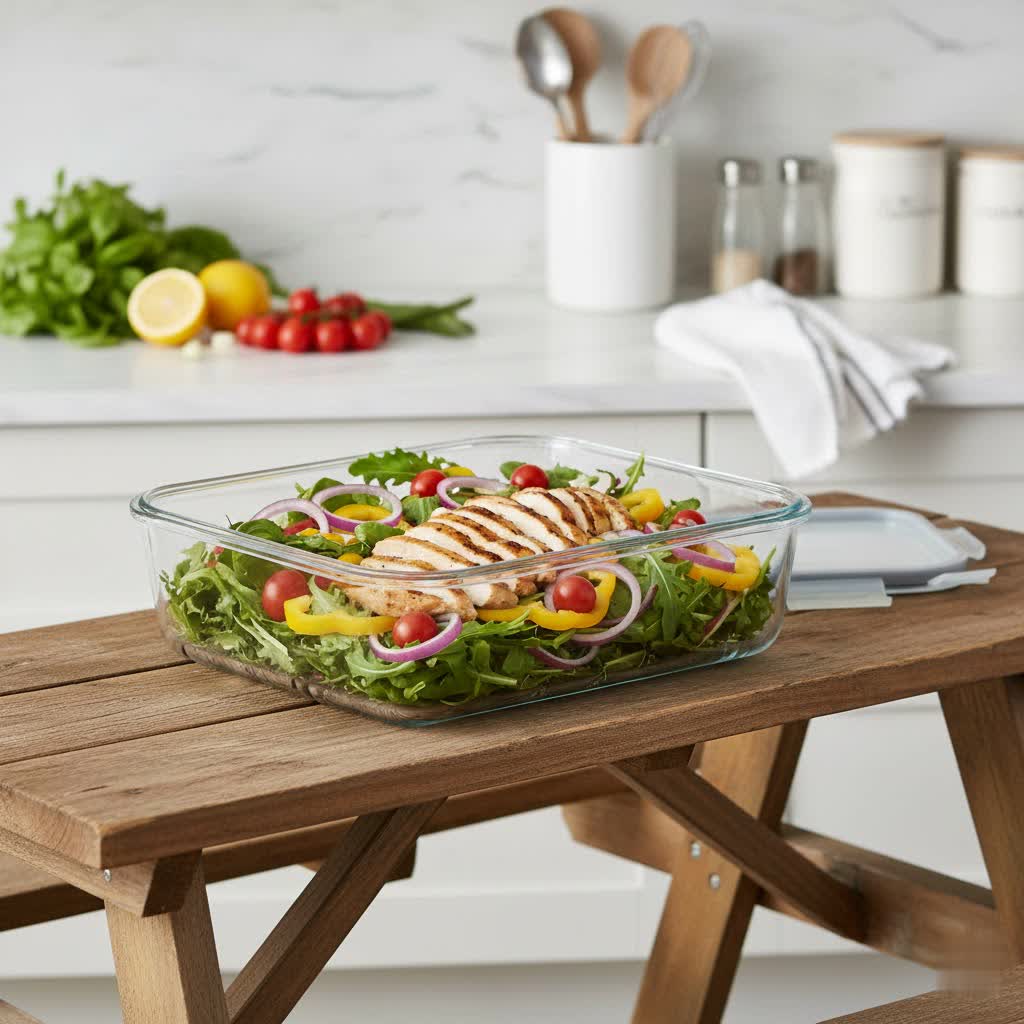
In today’s fast-paced world, finding reliable solutions for food storage is more crucial than ever. The choice of container material directly impacts the freshness, safety, and even the flavor of your meals. While countless options flood the market, from lightweight plastics to elegant glass, one material consistently stands out for its superior performance and enduring appeal: the stainless steel food container. This guide will delve into everything you need to know about making the switch to stainless steel, ensuring your food stays safe, your kitchen organized, and your environmental footprint reduced.
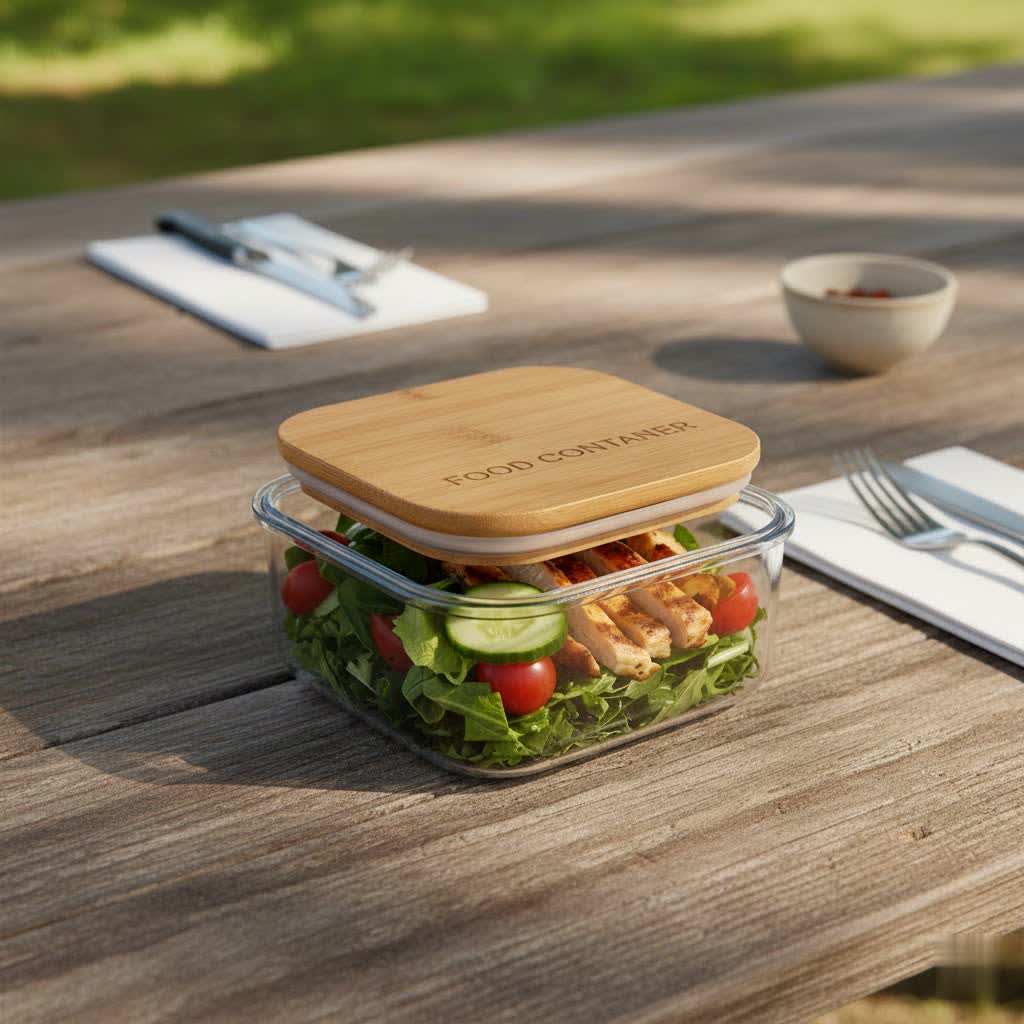
Stainless Steel Food Containers: All You Need to Know
A stainless steel food container is precisely what it sounds like: a vessel crafted from stainless steel, specifically designed for storing and transporting food. Unlike its plastic counterparts, stainless steel offers a host of inherent advantages that make it a premium choice for both everyday use and specialized needs.
Historically, food storage has evolved significantly, from rudimentary pottery and woven baskets to the advent of plastic and glass. Stainless steel entered the scene, particularly in the food industry, due to its hygienic properties, ease of cleaning, and durability. Over time, its benefits became apparent for personal use, leading to a surge in popularity for lunchboxes, meal prep containers, and general kitchen storage.
Today, the market offers a diverse range of stainless steel food containers. You’ll find compact snack pots perfect for nuts and berries, multi-compartment bento boxes ideal for organized lunches, rectangular meal prep containers for batch cooking, and large canisters for pantry staples. Many also feature specialized designs like insulated models for temperature retention or stackable sets for efficient storage.
Key Factors When Choosing Your Stainless Steel Food Container
Selecting the right stainless steel food container involves more than just picking a pretty design. Several critical factors ensure you choose a product that aligns with your lifestyle and provides optimal food preservation.
Material Quality of Stainless Steel Food Container
|
Our Picks for the Best Food Container in 2026
We may earn a commission when you use one of our links to make a purchase.
|
||
| Num | Product | Action |
|---|---|---|
| 1 | Rubbermaid Brilliance Food Storage Containers BPA Free Airtight Lids Ideal for Lunch Meal Prep & Leftovers Set of 5 (3.2 Cup) |

|
| 2 | Vtopmart 5Pack 22oz Glass Storage Containers with Lids, Glass Meal Prep Food Container Sets with Snap Airtight Lids for Microwave, Oven, Freezer and Dishwasher, Grey |
|
| 3 | Glass Food Storage Jars with Airtight Lids – Wide Mouth Pantry Containers, Thick BPA-Free Glass, Moisture & Insect Resistant, Customizable Labels Included – 80 oz x 3 |
|
| 4 | Martha Stewart Shadowbrook 5-Piece Borosilicate Glass Storage Container Set – Airtight Locking Lids, 21.6 oz Meal Prep, Leftover & Lunch Containers, Microwave, Oven & Dishwasher Safe |
|
| 5 | Vtopmart 2Pack 1860ml/63oz Large Glass Storage Containers with Lids, Meal Prep Food Container Set with Snap Airtight Lid for Baking, Microwave, Oven, Leak Proof, for Freezer, Dishwasher, Grey |
|
| 6 | 38oz Meal Prep Containers, Extra Large &Thick Food Storage Containers with Lids, Reusable Plastic,Disposable Bento Box,Stackable,Microwave/Freezer/Dishwasher Safe, BPA Free (30Pack) |
|
| 7 | 60 Sets (120-Piece) Deli Containers with Lids, 32/16/8 oz X 20 Set Each, Leak-Proof & BPA Free Airtight Takeout Plastic Food Storage Containers for Soup, Freezer/Microwave/Dishwasher Safe |
|
| 8 | Rubbermaid 60-Piece Food Storage Containers with Lids, Microwave and Dishwasher Safe, Red Color, Ideal for Meal Prep and Pantry Storage |
|
| 9 | Rubbermaid Brilliance BPA Free Airtight Food Storage Containers with Lids, Set of 4 (4.7 Cup) Ideal for Lunch, Meal Prep, and Leftovers |
|
| 10 | 50 Pack (100-Piece) 32 oz Meal Prep Containers Reusable with Easy Open Lids, Sturdy Leakproof Food Safe, Microwave Freezer Dishwasher Safe, To Go Take Out Plastic Food Storage Pans with Lids, Black |
|
The inherent quality of stainless steel is paramount. Stainless steel is celebrated for its non-reactive nature, meaning it won’t leach chemicals or toxins into your food, even when exposed to heat or acidic ingredients. This eliminates concerns about harmful substances like BPA and phthalates often found in certain plastics. Furthermore, it is naturally resistant to rust, corrosion, and staining, promising a long lifespan for your containers.
When evaluating material, look for “food-grade” stainless steel. Specifically, grades 304 (also known as 18/8) and 316 are highly recommended for food contact applications due to their superior corrosion resistance and safety. [cite: 3_search_safety, 5_search_safety] These grades ensure that your containers maintain integrity and remain safe even under various conditions.
Size and Shape of Stainless Steel Food Container
The dimensions and form of your container should match your intended use. For packing daily lunches, a medium-sized bento box with dividers might be perfect for keeping different food items separate. Larger, single-compartment containers are excellent for storing leftovers or preparing bulk meals. Consider nesting designs or stackable sets if cabinet space is a premium, as these can significantly help with organization and reduce clutter. Specialized containers, such as deep jars for soups or shallow trays for snacks, cater to specific culinary needs.
Airtightness and Leak-Proof Design
A container’s ability to create an airtight and leak-proof seal is crucial for preserving food freshness and preventing spills, especially when transporting liquids. Airtight seals minimize air exposure, which slows down spoilage and keeps food tasting better for longer. Most high-quality stainless steel containers achieve this through silicone or rubber gaskets combined with secure locking mechanisms, such as clip-down clasps. To check for airtightness, you can perform a simple water test: fill the container with water, seal it, and turn it upside down for a few minutes. Any drips indicate a compromised seal.
Additional Features
Modern stainless steel food containers often come with a variety of supplementary features that enhance convenience and versatility.
While traditional metal containers were not microwave-safe due to arcing, some contemporary stainless steel food containers, particularly those made from 304 grade steel with rounded corners, are now specifically designed and certified for microwave use. [cite: 4_search_safety] However, it is absolutely essential to always check the manufacturer’s instructions before microwaving any stainless steel product. Most stainless steel containers are dishwasher-safe, making cleanup effortless, though it’s often advised to place lids on the top rack to preserve their seals. [cite: 2, 4_search_reviews] They are also generally freezer-safe for long-term storage and many are oven-safe (the metal body only, not the lids) for reheating or baking. [cite: 3_search_reviews] Other features like removable dividers, integrated steam vents, or measurement markings can add further functionality.
So sánh các loại Food Container phổ biến
When considering food storage, stainless steel offers distinct advantages over other common materials. Here’s a comparative look:
| Feature | Stainless Steel Food Container | Plastic Food Container | Glass Food Container |
|---|---|---|---|
| Durability | Extremely durable, resistant to dents, scratches, and breakage. Built to last for years. | Prone to cracking, warping, and staining over time. Less durable. | Durable but susceptible to breakage if dropped or impacted. |
| Safety | Non-reactive, no leaching of chemicals (BPA-free, phthalate-free). Food-grade (304, 316) is very safe. | Can leach chemicals (especially BPA) when heated or with acidic foods. Some are BPA-free but concerns persist. | Non-reactive, safe, no chemical leaching. |
| Eco-friendliness | 100% recyclable, sustainable choice, reduces waste. | Many are not easily recyclable, contribute to landfill waste. | Recyclable, but glass production is energy-intensive. |
| Maintenance | Easy to clean, resistant to odors and stains. Mostly dishwasher-safe. | Can retain odors and stains, harder to clean thoroughly over time. | Easy to clean, resistant to odors and stains. Dishwasher-safe. |
| Versatility | Freezer-safe, oven-safe (body), some microwave-safe. Great for dry goods, wet foods, hot, or cold. | Freezer-safe, some microwave-safe (check labels), generally not oven-safe. | Freezer-safe, oven-safe, microwave-safe. |
| Temperature Retention | Can retain temperature for a period, especially insulated versions. | Poor temperature retention. | Poor temperature retention. |
| Visibility | Opaque – cannot see contents without opening. | Opaque or translucent – contents often visible. | Transparent – contents always visible. |
| Weight | Generally heavier than plastic, lighter than glass. | Very lightweight. | Heaviest option. |
Hướng dẫn sử dụng và bảo quản Food Container đúng cách
Proper usage and consistent care are key to maximizing the lifespan and maintaining the hygienic standards of your stainless steel food containers.
Vệ sinh Food Container
Cleaning your stainless steel containers is typically straightforward. For most items, hand washing with warm, soapy water is sufficient. A soft sponge or cloth will help preserve the finish. For a deeper clean or for convenience, most stainless steel containers are dishwasher-safe. For lids with silicone gaskets, it’s often recommended to remove the gasket and wash it separately to prevent mold buildup and ensure a thorough clean. If your containers develop a lingering odor or stubborn stain, a paste of baking soda and water can be applied, left for a few minutes, then scrubbed and rinsed. Avoid abrasive cleaners or steel wool, which can scratch the surface.
Bảo quản Food Container
When not in use, store your stainless steel containers in a dry place, away from direct sunlight and extreme temperatures, which can degrade silicone seals over time. Stacking containers of the same size or nesting smaller ones within larger ones can save valuable cabinet space. Regularly inspect the silicone seals for any signs of wear, tears, or degradation. While stainless steel itself is incredibly durable, the seals are often the first component to show wear. Replacing a damaged seal can often extend the life of your container significantly. If the container itself becomes heavily dented, corroded, or if you notice any changes in the metal’s integrity, it’s best to replace it to ensure continued food safety.
Mua Food Container ở đâu?
Finding high-quality stainless steel food containers is easier than ever with numerous reliable sources available.
You can find a wide selection at specialized kitchenware stores, department stores, and eco-friendly or zero-waste shops that often prioritize sustainable products. Online retailers such as Amazon, directly from brand websites (e.g., Lunchbots, Hydro Flask, Bentgo often have stainless steel options), or even some local independent retailers often carry a good range. When purchasing online, pay close attention to product descriptions for material grades (e.g., 304, 316), dimensions, and specific features like leak-proof claims. Reading customer reviews and checking the brand’s reputation is crucial for ensuring you invest in a reliable product.
Buying Guide: Lựa chọn Food Container phù hợp với nhu cầu của bạn
Choosing the ideal stainless steel food container comes down to understanding your specific needs, budget, and trusting the experiences of other users.
Xác định nhu cầu sử dụng
Before making a purchase, consider how you intend to use the container. Do you need it for daily packed lunches, storing leftovers in the fridge, meal prepping for the week, or organizing your pantry? Your purpose will dictate the appropriate size, shape, and features. For example, a leak-proof container is essential for soups or dressings, while a bento-style box is perfect for keeping various components of a meal separate. If you plan to reheat food in the container, verify its microwave or oven compatibility.
Xác định ngân sách
Stainless steel food containers often represent a higher initial investment compared to plastic, but their durability and longevity typically result in long-term savings. Prices can vary significantly based on brand, size, features, and the grade of stainless steel. Determine how much you are willing to spend, keeping in mind that a slightly higher investment often translates to a product that lasts for many years, offering excellent value over time.
Tham khảo đánh giá của người dùng
One of the most valuable resources for making an informed decision is the feedback from other users. Read online reviews, consult buying guides from reputable consumer product testers, and even ask friends or family for recommendations. Real-world experiences can highlight practical aspects like how well a lid seals, ease of cleaning, stackability, and overall durability that might not be apparent from product descriptions alone. This collective wisdom helps you avoid common pitfalls and find containers that truly perform.
Conclusion
Embracing stainless steel food containers is a smart decision for anyone seeking a healthier, more sustainable, and efficient way to manage their food. Their unparalleled durability, non-toxic composition, and ease of maintenance make them a standout choice over other materials. By considering factors like material quality, size, airtightness, and additional features, and by following simple care guidelines, you can ensure your investment serves you well for years to come.
Ultimately, opting for stainless steel is not just about choosing a container; it’s about making a conscious choice for better health, less waste, and a more organized kitchen. Why settle for less when you can store your food in the best?
Câu Hỏi Thường Gặp
Are all stainless steel food containers microwave safe?
No, not all stainless steel food containers are microwave safe. While some newer models, often made from 304-grade stainless steel with specific designs, are now certified for microwave use, it is crucial to check the manufacturer’s instructions for each individual product before microwaving. Using non-microwave-safe metal in a microwave oven can cause dangerous arcing. [cite: 4_search_safety]
What are the benefits of using 304 or 316 grade stainless steel for food containers?
Grades 304 and 316 stainless steel are highly recommended for food containers because they offer superior corrosion resistance and are considered food-grade safe. [cite: 3_search_safety] They are non-reactive, meaning they won’t leach chemicals or interact with acidic foods, ensuring your meals remain pure and free from metallic tastes or harmful substances. These grades also contribute to the container’s overall durability and longevity.
Can stainless steel food containers keep food warm or cold?
Yes, stainless steel food containers can help retain food temperature. While basic single-wall stainless steel containers offer some insulation, insulated stainless steel containers, often featuring double-wall vacuum insulation, are specifically designed to keep food warm or cold for several hours. This makes them an excellent choice for packed lunches or outdoor activities.
How do I remove odors from my stainless steel food containers?
Stainless steel is naturally resistant to odors, but if a strong-smelling food leaves a lingering scent, you can easily remove it. Wash the container thoroughly with soap and warm water. For stubborn odors, create a paste of baking soda and water, apply it to the inside of the container, let it sit for a few hours or overnight, then scrub and rinse. Lemon juice or white vinegar can also be effective natural deodorizers.