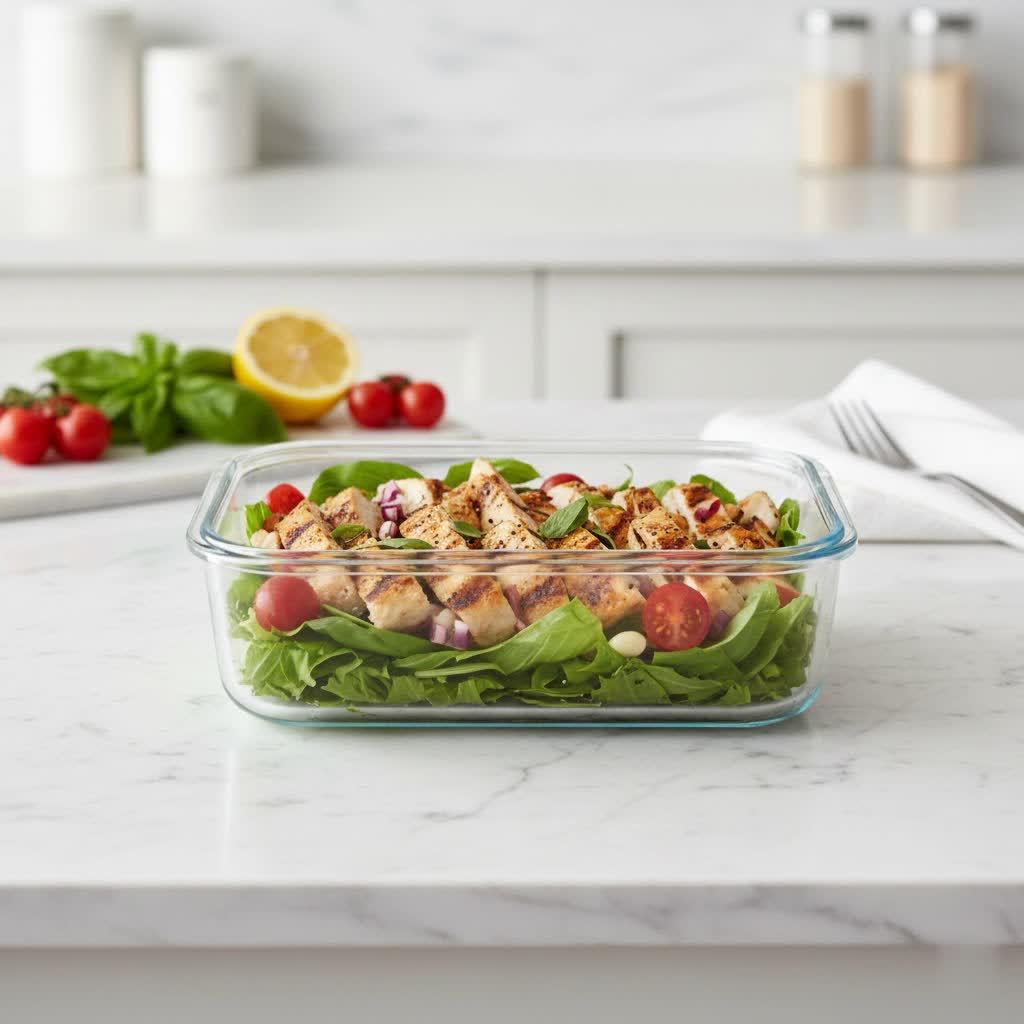
There’s a unique comfort in enjoying a warm, freshly prepared meal, especially when you’re on the go. Whether it’s a hearty soup on a chilly workday, a hot pasta dish for a school lunch, or a satisfying meal during a long journey, the thought of a cold, unappetizing meal can be disheartening. This universal desire for warm food, whenever and wherever, has made the “keep food warm container” an indispensable item in modern living.
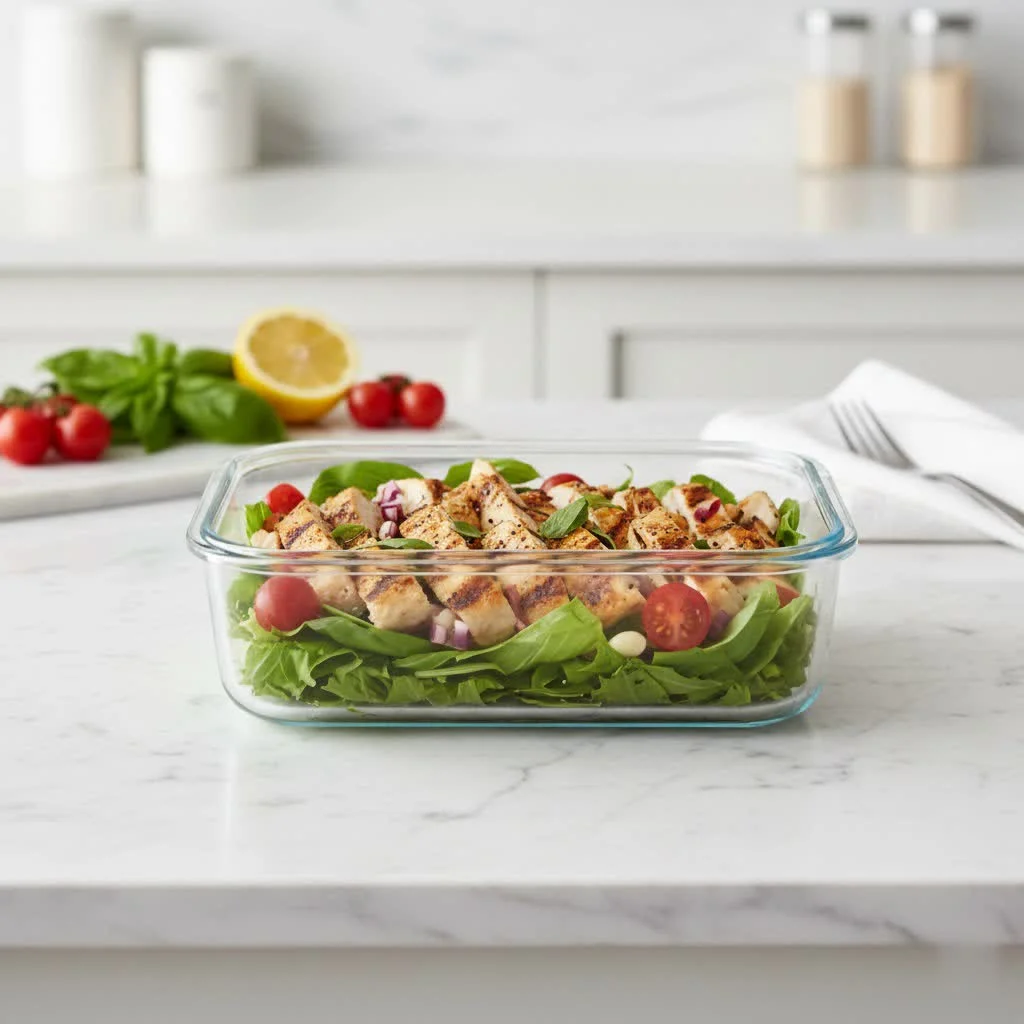
These ingenious solutions go beyond simple storage, employing advanced technology to ensure your culinary creations maintain their inviting warmth for hours. This comprehensive guide will examine everything you need to know about these essential food companions, from understanding their diverse types and how they operate to navigating the key factors in choosing the perfect container for your lifestyle. We’ll explore materials, design, heat retention capabilities, and crucial usage tips, helping you make an informed decision to savor warm meals every time. For browse all food articles on this site.
Understanding Keep Food Warm Containers
At its core, a keep food warm container is designed to minimize heat transfer between your food and the environment, thereby preserving its temperature for an extended period. The principle behind their effectiveness lies in thermal insulation, which creates a barrier against the three primary modes of heat transfer: conduction, convection, and radiation.
The evolution of these containers traces back to the simple thermos flask, invented by Sir James Dewar in 1892, which used a vacuum to insulate liquids. Today, this fundamental concept has been refined and expanded, leading to a diverse range of products tailored for various needs, from personal lunchboxes to large-scale catering solutions.
Let’s explore the main types of keep food warm containers available:
- Insulated Food Jars/Thermoses: These are arguably the most common and popular choice for individual meals. They typically feature double-wall construction with a vacuum-sealed space between the inner and outer layers, significantly reducing heat loss. Often made from stainless steel, they are robust, portable, and designed to keep food warm for several hours.
- Electric Heated Lunch Boxes: Offering active warming, these containers come with built-in heating elements. They require a power source (wall outlet, car adapter, or rechargeable battery) to heat or reheat food. This type is ideal for those who have access to electricity and prefer their food piping hot, even hours after preparation. Some models can even cook raw food or incorporate steam heating for moisture retention.
- Insulated Bags and Coolers: While primarily known for keeping items cold, many insulated bags and coolers can also help retain heat. When used in conjunction with preheated food jars or hot water bottles, they provide an additional layer of thermal protection for a shorter duration. They are often used for picnics or transporting multiple containers.
- Chafing Dishes and Buffet Warmers: These are larger, more stationary units typically used for catering, buffets, or large family gatherings. They often use gel fuel canisters (chafing fuel) or electric heating elements to maintain food at serving temperatures for extended periods, making them unsuitable for personal, portable use.
Key Factors When Choosing Your Keep Food Warm Container
Selecting the right container involves more than just picking a pretty design. Several critical factors influence a container’s performance, safety, and suitability for your specific needs.
Material Matters: Safety and Performance
|
Our Picks for the Best Food Container in 2026
As an Amazon Associate I earn from qualifying purchases.
|
||
| Num | Product | Action |
|---|---|---|
| 1 | 60 Sets (120-Piece) Deli Containers with Lids, 32/16/8 oz X 20 Set Each, Leak-Proof & BPA Free Airtight Takeout Plastic Food Storage Containers for Soup, Freezer/Microwave/Dishwasher Safe |

|
| 2 | Vtopmart 5Pack 22oz Glass Storage Containers with Lids, Glass Meal Prep Food Container Sets with Snap Airtight Lids for Microwave, Oven, Freezer and Dishwasher, Grey |
|
| 3 | 50 Pack (100-Piece) 32 oz Meal Prep Containers Reusable with Easy Open Lids, Sturdy Leakproof Food Safe, Microwave Freezer Dishwasher Safe, To Go Take Out Plastic Food Storage Pans with Lids, Black |
|
| 4 | Rubbermaid Brilliance Food Storage Containers BPA Free Airtight Lids Ideal for Lunch Meal Prep & Leftovers Set of 5 (3.2 Cup) |
|
| 5 | Rubbermaid Brilliance BPA Free Airtight Food Storage Containers with Lids, Set of 4 (4.7 Cup) Ideal for Lunch, Meal Prep, and Leftovers |
|
| 6 | 38oz Meal Prep Containers, Extra Large &Thick Food Storage Containers with Lids, Reusable Plastic,Disposable Bento Box,Stackable,Microwave/Freezer/Dishwasher Safe, BPA Free (30Pack) |
|
| 7 | Rubbermaid 60-Piece Food Storage Containers with Lids, Microwave and Dishwasher Safe, Red Color, Ideal for Meal Prep and Pantry Storage |
|
| 8 | Martha Stewart Shadowbrook 5-Piece Borosilicate Glass Storage Container Set – Airtight Locking Lids, 21.6 oz Meal Prep, Leftover & Lunch Containers, Microwave, Oven & Dishwasher Safe |
|
| 9 | Glass Food Storage Jars with Airtight Lids – Wide Mouth Pantry Containers, Thick BPA-Free Glass, Moisture & Insect Resistant, Customizable Labels Included – 80 oz x 3 |
|
| 10 | Vtopmart 2Pack 1860ml/63oz Large Glass Storage Containers with Lids, Meal Prep Food Container Set with Snap Airtight Lid for Baking, Microwave, Oven, Leak Proof, for Freezer, Dishwasher, Grey |
|
The material of your food container is paramount, affecting both its ability to retain heat and its safety for food storage.
- Stainless Steel: The most popular choice for insulated food jars, stainless steel (typically 18/8 food-grade) is highly durable, resistant to corrosion, and does not leach chemicals into food. Its non-reactive surface also means it won’t absorb flavors or odors. However, stainless steel containers are not microwave-safe.
- Plastic: Often used for lids, internal dividers, or the outer shell of some electric lunch boxes. While lightweight and sometimes microwave-safe (for non-insulating parts), it’s crucial to ensure the plastic is BPA-free and food-grade to avoid potential health concerns, especially when exposed to heat. Plastic generally offers less insulation than stainless steel vacuum seals.
- Glass: Less common for direct “keep warm” applications due to its fragility and weight, glass is primarily valued for its non-reactive nature and microwave/oven safety. Some specialized containers might feature glass inserts that can be heated separately.
> “Always prioritize food-grade stainless steel for the primary food contact surface in insulated containers. It offers the best blend of safety, durability, and thermal performance without compromising your health.” – Dr. Emily R. Chen, Food Science & Nutrition Expert
Size and Design for Every Need
Consider how much food you typically carry and the type of meals you prefer.
- Capacity: Food containers range from compact 10-ounce jars ideal for a child’s snack or a side dish, to 16-24 ounce options perfect for an adult’s lunch, and even larger capacities for family meals or potlucks.
- Shape: Look for containers with a wide mouth, as they are easier to fill, eat from, and clean. Some designs offer stackable components or specialized shapes for specific foods, like bento-style compartments for separating different elements of a meal.
- Portability: Factor in whether you need a compact design for a backpack, a robust one for outdoor use, or something with a handle for easy carrying.
The Power of Insulation: Heat Retention
The core function of these containers relies on effective insulation.
- Vacuum Insulation Technology: Most high-performance containers use double-wall vacuum insulation. This design creates a void between two layers of material from which air has been removed. Since heat cannot transfer through conduction or convection without a medium, the vacuum acts as an extremely efficient insulator.
- Lid and Seal Quality: The lid is often the weakest point for heat loss. A well-designed lid will feature a thick, insulated construction and a tight, leakproof seal (often silicone gaskets) to trap heat inside. Some lids incorporate a “plug” design that fits deeply into the container opening, adding another layer of insulation.
- Advertised vs. Real-world Retention Times: Manufacturers often advertise impressive heat retention times (e.g., 8-12 hours). While these are achievable under ideal conditions (preheating, full container, minimal opening), real-world performance can vary based on external temperature, the type of food, and how often the container is opened.
Features That Enhance Your Experience
Beyond basic functionality, certain features can significantly improve convenience and usability.
- Microwave-Safe Components: For electric lunch boxes, this refers to internal food trays. For insulated jars, it’s generally not applicable to the main container but might refer to accompanying plastic bowls. Always check product specifications.
- Dishwasher-Safe Parts: While many stainless steel containers are technically dishwasher-safe, hand washing often prolongs the life of seals and finishes. Lids and gaskets often benefit from hand washing.
- Integrated Cutlery: Some food jars come with a folding spoon or spork cleverly stored within the lid, eliminating the need to pack separate utensils.
- Carrying Handles and Non-Slip Bases: These small details can make a big difference in portability and stability.
- Vent Valves: Found on some electric lunch boxes, these release steam during heating.
- Smart Controls: Higher-end electric models may offer precise temperature settings or timers.
Comparing Popular Keep Food Warm Container Types
When it comes to keeping your food warm, the choice often boils down to insulated food jars or electric lunch boxes, each with distinct advantages and ideal use cases.
Insulated Food Jars vs. Electric Lunch Boxes
-
Insulated Food Jars:
- Pros:
- Passive operation: Requires no external power, making them ideal for camping, hiking, or situations without electricity.
- Portability: Generally lighter and more compact than electric models.
- Durability: Stainless steel construction makes them very robust.
- Ease of cleaning: Often feature wide mouths for straightforward washing.
- Cons:
- Limited retention time: While good, food will gradually cool over several hours.
- Requires preheating: An extra step to ensure optimal warmth.
- No reheating capability: Cannot make cold food hot.
- Best for: Students, office workers packing lunch to eat within 4-8 hours, outdoor enthusiasts, or anyone needing a reliable, self-contained solution without power access.
- Pros:
-
Electric Lunch Boxes:
- Pros:
- Active heating: Can heat cold food or maintain hot food at a consistent temperature.
- Always hot: Ensures a truly warm meal, regardless of how long it’s been since preparation.
- Versatility: Some models can cook basic meals or offer steam warming.
- Cons:
- Requires power: Dependent on an electrical outlet, car adapter, or battery charge.
- Bulkier and heavier: Due to heating elements and associated components.
- More complex to clean: Care must be taken around electrical parts.
- Best for: Office workers, truck drivers, travelers with access to power, or individuals who want the freshest, hottest meal experience possible.
- Pros:
> “For daily use where convenience is key and you have access to a power source, an electric heated lunch box is a major upgrade. It means no more cold leftovers, just consistently warm, comforting food.” – Chef Liam O’Connell, Culinary Innovations Lead
Maximizing Heat Retention: Usage and Care Tips
Even the best keep food warm container can underperform if not used correctly. Follow these tips to ensure your meals stay warmer for longer and your container lasts for years.
Preheating Your Container
This is arguably the most crucial step for maximizing heat retention in insulated food jars.
- Step-by-step: Boil water (e.g., in a kettle). Carefully pour the boiling water into your empty food container, filling it completely. Secure the lid tightly and let it sit for at least 5-10 minutes. Just before adding your food, carefully pour out the hot water.
- Why it works: Preheating warms the inner walls of the container, preventing them from absorbing heat from your freshly packed food. This ensures the food’s heat is conserved, not transferred to cool surfaces.
Packing for Optimal Warmth
How you pack your food makes a significant difference.
- Food Temperature: Always pack your food piping hot – hotter than you would normally serve it. Give it an extra minute on the stove or in the microwave before transferring.
- Fill Level: Fill the container to its maximum capacity. The more densely packed the food, the less air space there is for heat to escape, helping to maintain temperature more effectively.
- Food Density: Soups, stews, pasta with sauce, and other liquid or semi-liquid foods generally retain heat better than solid, drier items like grilled chicken or sandwiches.
- Minimize Opening: Avoid opening the container until you are ready to eat. Each time the lid is removed, a significant amount of heat escapes.
Cleaning and Maintenance for Longevity
Proper care extends the life and performance of your container.
- Hand Washing vs. Dishwasher: While some containers are labeled “dishwasher-safe,” hand washing with warm, soapy water is often recommended for lids, gaskets, and overall exterior finish to preserve seals and insulation properties.
- Removing Odors and Stains: For stubborn odors, a mixture of baking soda and water can be left in the container overnight. For stains, a mild abrasive cleaner (if safe for the material) or a paste of baking soda can be effective.
- Proper Storage: Store your clean, dry container with the lid slightly ajar to allow for air circulation and prevent mold or mildew growth. Avoid storing in direct sunlight or extreme temperatures.
- When to Replace: Dents in vacuum-insulated containers can compromise their insulating abilities. If you notice significantly reduced heat retention or damaged seals, it may be time for a replacement.
Where to Buy Keep Food Warm Containers
These essential food companions are widely available, making it easy to find one that fits your needs and budget.
- Online Retailers: Major online platforms like Amazon, Target, and Walmart offer an extensive selection from various brands, often with competitive prices and customer reviews. Brand-specific websites (e.g., Stanley, Hydro Flask, Thermos) also provide direct purchasing options and product information.
- Specialty Kitchen Stores: Stores focusing on kitchenware or outdoor gear often carry high-quality insulated food jars and sometimes electric lunch boxes, providing an opportunity to see products in person.
- Department Stores: General department stores typically stock a range of food containers, especially during back-to-school or holiday seasons.
When purchasing, always check product reviews, warranty information, and the return policy to ensure you’re satisfied with your investment.
Your Buying Guide: Finding the Perfect Warm Food Companion
With so many options, narrowing down the best keep food warm container requires a clear understanding of your personal requirements.
Define Your Primary Use Case
Start by identifying why you need a warm food container:
- Daily Lunches: For work or school, portability, capacity, and ease of cleaning are key. An insulated food jar is often sufficient, but an electric lunch box might be preferred if you have power access and desire consistent heat.
- Outdoor Adventures: Durability, long heat retention, and a leakproof design are crucial for camping, hiking, or picnics. Insulated food jars are generally the go-to here.
- Potlucks or Catering: Larger capacity, easy serving, and sometimes electric warming capabilities are necessary. Chafing dishes or large insulated carriers would be more appropriate.
- Short Trips/Commutes: A basic insulated jar might suffice for just a few hours of warmth.
Budget Considerations
Prices for keep food warm containers vary significantly based on type, brand, material, and features.
- Entry-Level (Under $25): You can find basic insulated food jars suitable for a few hours of warmth.
- Mid-Range ($25-$60): This category offers a wider selection of reputable brands with better heat retention, more features, and improved durability. Many popular insulated food jars and some basic electric lunch boxes fall here.
- Premium (Over $60): High-end insulated containers, advanced electric lunch boxes with smart features, or specialized large-capacity models typically reside in this range, promising superior performance and longevity.
Consider your purchase an investment in convenient, warm meals. Spending a little more on a quality product can often lead to better performance and longer lifespan.
Expert and User Reviews
Before making a final decision, always consult reviews from both experts and everyday users.
- Expert Reviews: Look for reviews from reputable culinary sites, consumer product testing organizations, or outdoor gear reviewers. They often conduct rigorous tests for heat retention, durability, and ease of use.
- User Reviews: These provide invaluable real-world feedback on aspects like leak-proof performance, how well the container holds up to daily use, and whether actual heat retention matches advertised claims. Pay attention to common praises and complaints.
Conclusion
The ability to enjoy a warm, comforting meal no matter where your day takes you is a small luxury that a quality keep food warm container can effortlessly provide. From the classic reliability of vacuum-insulated food jars to the modern convenience of electric heated lunch boxes, there’s a perfect solution waiting to improve your mealtime experience. By understanding the science behind insulation, prioritizing safe and durable materials, and considering your lifestyle needs, you can confidently choose a container that delivers consistent warmth and satisfaction.
to preheat your container, pack your food piping hot, and maintain it properly to unlock its full potential. Investing in the right keep food warm container isn’t just about preserving temperature; it’s about elevating your daily routine with the simple pleasure of a perfectly warm meal. What warm meal will you pack first?
Frequently Asked Questions
How long do insulated food containers keep food warm?
High-quality insulated food containers can keep food warm for typically 5 to 12 hours, depending on factors such as the initial temperature of the food, how full the container is, and whether it was preheated.
Can I put my keep food warm container in the microwave?
Generally, no. Most insulated food containers, especially those made of stainless steel, are not microwave-safe due to the risk of sparking and damage. Electric lunch boxes have their own heating elements, so they do not require a microwave for warming. Always check the specific product instructions.
What foods are best for keeping warm in a thermos?
Foods with higher liquid content, such as soups, stews, chili, pasta with sauce, rice dishes, and oatmeal, tend to retain heat more effectively in an insulated container. Drier foods like sandwiches or solid pieces of meat may cool faster.
How do I prevent my food from getting cold quickly?
To maximize warmth, always preheat your container with boiling water for 5-10 minutes before adding food. Pack your food as hot as possible and fill the container completely to minimize air space. Also, avoid opening the container unnecessarily until you are ready to eat.
Are electric heated lunch boxes safe to use?
Yes, electric heated lunch boxes from reputable brands are designed with safety in mind, featuring food-grade materials and mechanisms to prevent overheating. Always follow the manufacturer’s instructions for operation, cleaning, and power connection to ensure safe use.
Pet products vetted on real animals
Free PDF — protein DMB calculator + 18 dog foods rated.

I got one of the stainless steel containers for my son’s school lunches. While it does keep his soup warm, I find the lid a bit tricky to screw on sometimes. It takes a few tries to get it aligned just right, which can be annoying when we’re rushing in the morning. Otherwise, it’s a solid product for keeping food warm.
I was looking for a container that could handle hearty soups for my husband’s chilly workday, and the information here about different types of containers was super useful. I ended up with a vacuum-insulated model, and it’s fantastic. He loves having a hot meal, and it’s so much better than him eating a cold sandwich every day. Highly recommend!
I’ve been using my new insulated food jar for a few weeks now, and it’s a game-changer for my work lunches. I used to dread eating cold leftovers, but now my pasta stays perfectly warm until lunchtime. The heat retention capabilities mentioned in the guide are spot on; it really does keep food hot for hours. I’m so glad I finally invested in one of these!
This guide helped me pick out a great container for my road trips. I needed something that could keep a meal warm for a long journey, and the design and material recommendations were really helpful. My chili stayed nice and hot for over 6 hours, which was impressive. It’s definitely made eating on the go much more enjoyable.