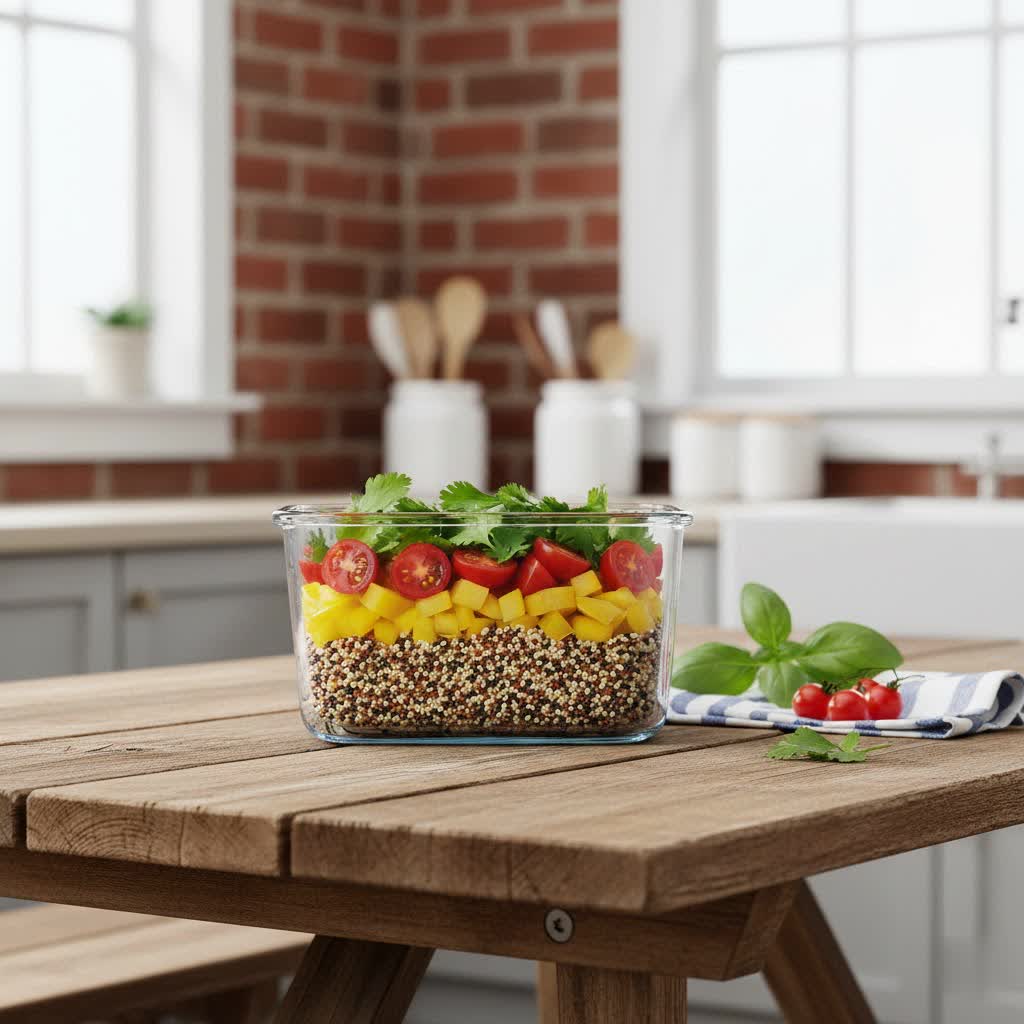
Are you tired of rummaging through cluttered cabinets, searching for the right lid, or discovering stale pantry staples? If so, you’re not alone. In any bustling home, kitchen storage containers are the unsung heroes, silently working to preserve food freshness, streamline meal prep, and bring order to often-chaotic kitchen spaces. Finding the perfect solutions can transform your daily cooking experience, save you time and money, and even contribute to a healthier lifestyle by reducing food waste. This comprehensive guide will equip you with all the knowledge needed to select, use, and maintain the best kitchen storage containers for your unique needs.
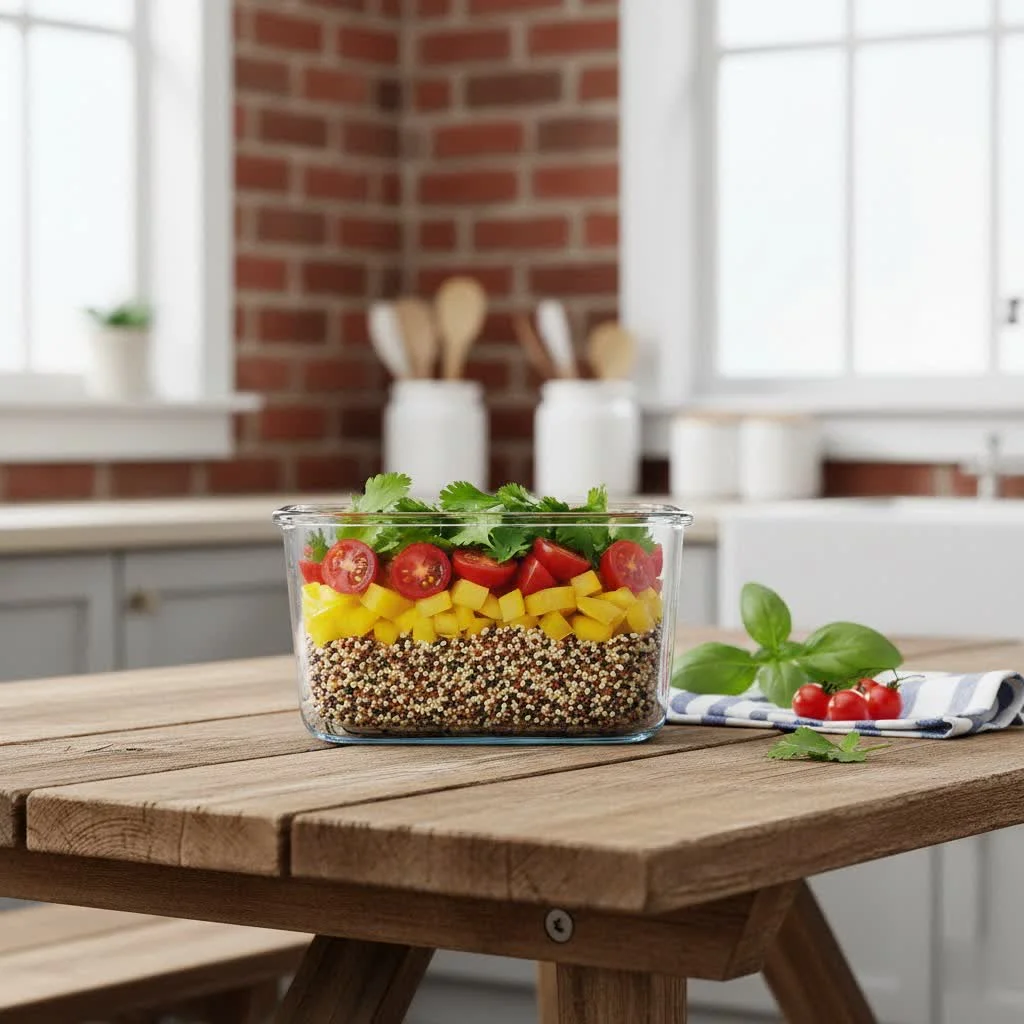
Kitchen Storage Containers: Everything You Need to Know
Kitchen storage containers are defined as vessels designed to hold food, whether for short-term preservation in the refrigerator, long-term dry storage in the pantry, or convenient meal transport. Their evolution reflects a continuous quest for efficiency and food safety, moving from simple crocks and jars to the advanced, airtight, and specialized options available today.
The market offers a diverse array of kitchen storage containers, each suited for different applications. Common types include airtight canisters for dry goods, stackable sets for leftovers, specialized meal prep containers with dividers, and reusable bags for snacks and produce. Understanding these varieties is the first step toward creating an organized and functional kitchen.
Key Factors to Consider When Buying Kitchen Storage Containers
Choosing the right kitchen storage containers goes beyond aesthetics. Several critical factors impact their performance, safety, and longevity.
Material of Food Containers
The material of your food containers plays a significant role in their safety, durability, and suitability for various uses.
-
Plastic:
- Pros: Lightweight, portable, often affordable, shatter-resistant. Many are dishwasher-safe, freezer-safe, and microwave-safe (often without the lid). Ideal for packed lunches and snacks on the go.
- Cons: Prone to staining (especially from highly pigmented foods like tomato sauce), can retain odors, and may scratch over time. Some consumers prefer to avoid plastic due to concerns about chemicals like BPA, though many modern plastics are now BPA-free.
- Safety Tip: Always check for “BPA-free” labels. The FDA states current approved uses of BPA are safe, but consumer preference often leans towards alternatives.
-
Glass:
- Pros: Non-porous, inert (won’t react with acidic or alkaline foods), excellent for resisting stains and odors, transparent for easy visibility, oven-safe (many up to 450°F or 425°F), freezer-safe, microwave-safe, and generally dishwasher-safe. Environmentally friendly and recyclable.
- Cons: Heavier and more fragile than plastic, making them less ideal for transport. Can be more expensive.
- Safety Tip: Allow glass containers to come to room temperature before placing them in a preheated oven to prevent thermal shock.
-
Stainless Steel:
- Pros: Highly durable, rust-resistant, excellent for long-term storage, eco-friendly, and typically dishwasher-safe. They are odor-resistant and won’t leach chemicals into food. Often leak-resistant.
- Cons: Not transparent, so you can’t see the contents easily. Cannot be used in microwaves or ovens. Can be pricier.
-
Silicone:
- Pros: Flexible, lightweight, durable, often stand-up designs save space, and are typically BPA- and PVC-free. Many are oven-safe (up to 400°F), freezer-safe, microwave-safe, and can be used in boiling water for sous vide.
- Cons: Soft sides may squish delicate foods when transported. Can stain from pigmented foods.
- Best for: Snacks, produce, and organizing in tight spaces.
-
Ceramic:
- Pros: Hygienic, non-reactive (safe for acidic foods), can go from fridge to table for serving, and often aesthetically pleasing. Naturally non-toxic.
- Cons: Can be heavy and breakable. Not typically microwave or oven safe unless specifically labeled.
Size and Shape of Food Containers
|
Our Picks for the Best Food Container in 2026
As an Amazon Associate I earn from qualifying purchases.
|
||
| Num | Product | Action |
|---|---|---|
| 1 | 38oz Meal Prep Containers, Extra Large &Thick Food Storage Containers with Lids, Reusable Plastic,Disposable Bento Box,Stackable,Microwave/Freezer/Dishwasher Safe, BPA Free (30Pack) |

|
| 2 | Glass Food Storage Jars with Airtight Lids – Wide Mouth Pantry Containers, Thick BPA-Free Glass, Moisture & Insect Resistant, Customizable Labels Included – 80 oz x 3 |
|
| 3 | Rubbermaid 60-Piece Food Storage Containers with Lids, Microwave and Dishwasher Safe, Red Color, Ideal for Meal Prep and Pantry Storage |
|
| 4 | 50 Pack (100-Piece) 32 oz Meal Prep Containers Reusable with Easy Open Lids, Sturdy Leakproof Food Safe, Microwave Freezer Dishwasher Safe, To Go Take Out Plastic Food Storage Pans with Lids, Black |
|
| 5 | Rubbermaid Brilliance Food Storage Containers BPA Free Airtight Lids Ideal for Lunch Meal Prep & Leftovers Set of 5 (3.2 Cup) |
|
| 6 | Rubbermaid Brilliance BPA Free Airtight Food Storage Containers with Lids, Set of 4 (4.7 Cup) Ideal for Lunch, Meal Prep, and Leftovers |
|
| 7 | Martha Stewart Shadowbrook 5-Piece Borosilicate Glass Storage Container Set – Airtight Locking Lids, 21.6 oz Meal Prep, Leftover & Lunch Containers, Microwave, Oven & Dishwasher Safe |
|
| 8 | 60 Sets (120-Piece) Deli Containers with Lids, 32/16/8 oz X 20 Set Each, Leak-Proof & BPA Free Airtight Takeout Plastic Food Storage Containers for Soup, Freezer/Microwave/Dishwasher Safe |
|
| 9 | Vtopmart 2Pack 1860ml/63oz Large Glass Storage Containers with Lids, Meal Prep Food Container Set with Snap Airtight Lid for Baking, Microwave, Oven, Leak Proof, for Freezer, Dishwasher, Grey |
|
| 10 | Vtopmart 5Pack 22oz Glass Storage Containers with Lids, Glass Meal Prep Food Container Sets with Snap Airtight Lids for Microwave, Oven, Freezer and Dishwasher, Grey |
|
The right size and shape can significantly impact storage efficiency and usability.
- Capacity: Consider your typical portion sizes for meal prep, the volume of leftovers, or the quantity of dry goods you usually store. Sets often come with assorted sizes for versatility.
- Shape for Space Saving: Containers with straight edges are generally more space-efficient than those with flared sides, allowing them to stack neatly in refrigerators, freezers, and cabinets. Square or rectangular shapes often maximize shelf space better than round ones.
- Specialized Containers:
- Meal Prep Containers: Often feature dividers to keep different food items separate.
- Soup Containers: Typically leak-proof with secure seals to prevent spills.
- Pantry Canisters: Designed with large openings for easy scooping of flour, sugar, or pasta.
- Produce Savers: May include strainers or vents to regulate humidity and extend the life of fruits and vegetables.
Airtightness and Leak-Proof Capabilities
A secure seal is paramount for food preservation and preventing messy spills.
- Why Airtightness Matters: An airtight seal prevents air and moisture from entering, significantly extending food freshness, preventing spoilage, and protecting against cross-contamination and odors. It keeps dry goods from going stale and leftovers from drying out.
- Checking for Airtightness: Look for containers with strong locking mechanisms or press-down seals. For lids with clasps, ensure they snap shut firmly. A simple test involves filling the container with water, sealing it, and shaking it vigorously; ideally, there should be no leakage.
- Common Sealing Mechanisms:
- Snap-on Lids: Provide a tight seal, often with tabs that secure the lid to the base.
- Pop-up Buttons: Found on some dry storage containers, these create a vacuum seal when pressed down and release it when pressed again.
- Silicone Gaskets/Grommets: Often integrated into lids, these flexible seals enhance airtightness and leak resistance.
Additional Features
Modern kitchen storage containers offer various features for enhanced convenience.
- Microwave, Dishwasher, and Freezer Safe: Check labels carefully. Most plastic containers are top-rack dishwasher safe, freezer safe, and microwave safe (venting the lid is often recommended). Glass containers are typically safe for all three, but lids may require hand washing or top-rack placement to prevent warping. Stainless steel is generally dishwasher and freezer safe but not microwave or oven safe.
- Special Features:
- Stackable Design: Essential for maximizing vertical space in cabinets and refrigerators.
- Nesting: Containers that fit inside each other when empty save storage space.
- Dividers/Inserts: Great for separating components of a meal.
- Vents: Some lids have steam vents for microwave reheating without removing the entire lid.
- Labeling: Clear containers allow for easy identification, but a labeling system can further enhance organization, especially for dry goods.
- Integrated Tools: Some pantry containers come with scoops or leveling bars that attach to the lid.
Comparing Popular Kitchen Storage Containers
When evaluating various options, it’s helpful to compare popular brands and their offerings across different materials and features.
| Feature / Brand | Material | Sizes Available | Airtight/Leak-proof | Microwave Safe | Dishwasher Safe | Freezer Safe | Oven Safe (Base Only) | Pros | Cons |
|---|---|---|---|---|---|---|---|---|---|
| Rubbermaid Brilliance | Plastic (BPA-free) | Assorted (0.5-cup to 9.6-cup) | Excellent | Yes | Yes (top-rack) | Yes | No | Lightweight, sturdy, transparent, easily stackable, stain-resistant | Lids can be cumbersome to store. |
| Rubbermaid Brilliance | Glass (BPA-free lid) | Assorted (e.g., 9.6-cup) | Excellent | Yes | Yes | Yes | Yes (up to 450°F) | Resists staining, oven-safe, transparent, stackable, universal lids | Heavy when full, latches may break over long-term use. |
| OXO Good Grips POP | Plastic (BPA-free) | Assorted (e.g., 0.4-quart to 4.4-quart) | Good (press-seal) | No | Yes (top-rack, base) | No | No | One-hand operation, accessories attach to lid, stack neatly, clear | Pricey, seal not as secure as clip-lids, not for on-the-go liquids |
| Pyrex Simply Store | Glass (Plastic Lids) | Assorted (1-cup to 4-cup) | Good | Yes | Yes (top-rack, lids may deform) | Yes | Yes (preheated oven) | Versatile sizes, containers nest, slim lids, preheated oven-safe | Lids can crack/deform, not ideal for transporting liquids. |
| Stasher Bags | Silicone (BPA/PVC-free) | Assorted (12oz to 64oz) | Good | Yes | Yes (top-rack) | Yes | Yes (up to 400°F) | Flexible, stand-up design, minimal space, sous vide compatible | Soft sides may squish delicate foods, can stain. |
| Hydro Flask | Stainless Steel (Plastic Lids) | Assorted (2-cup, 3.5-cup, 5-cup) | Excellent | No | Yes | Yes | Yes (up to 350°F) | Highly durable, leak-resistant, oven-safe (base), stackable | Pricey, not transparent, no microwave use. |
| Caraway Airtight | Glass (BPA-free lids) | Assorted (1-quart, 2.5-quart, 4-quart) | Excellent | No | Yes (container only) | No | No | Aesthetically pleasing, stackable, large opening for scooping | Pricey, lids must be hand-washed, not freezer/microwave safe. |
| Snapware Total Solution | Plastic (BPA-free) | Assorted (e.g., 3-cup) | Good | Yes | Yes (top-rack) | Yes | No | Affordable, stackable, lids lock securely | May stain over time, lids can be tricky to store due to flaps. |
Expert Insight:
“A good food storage container is an underrated kitchen hero. It keeps food fresh, brings order to cluttered refrigerators and cabinets, and makes reheating meals easier.” – Good Housekeeping Institute, Kitchen Appliances and Innovation Lab
Proper Use and Care of Kitchen Storage Containers
To maximize the lifespan and effectiveness of your kitchen storage containers, proper usage and maintenance are crucial.
Cleaning Food Containers
Regular and thorough cleaning prevents odors, stains, and bacterial growth.
- Hand Washing vs. Dishwasher: Always check manufacturer care instructions. While many containers are dishwasher safe, lids, especially those with intricate seals or made of certain plastics, may warp or deform on the bottom rack due to high heat. It’s often recommended to place lids on the top rack or hand wash them.
- Safe and Effective Cleaning Agents:
- Use warm, soapy water for everyday cleaning.
- For stubborn stains and odors (common with plastic containers, especially after storing tomato-based sauces or strong-smelling foods), a paste of baking soda and water can be very effective. Apply the paste, let it sit for 15-30 minutes, then scrub clean. Alternatively, a bleach gel cleaner can be used for tough stains.
- Ensure all parts are thoroughly dry before storing to prevent mildew or odors.
Storing Food Containers
Smart storage solutions for the containers themselves help maintain order in your kitchen.
- When Not in Use: Store containers with their lids slightly ajar or completely off to prevent trapped moisture and odors. Nested containers (where smaller ones fit inside larger ones) save significant space.
- Protection from Direct Sunlight and High Heat: Prolonged exposure to direct sunlight or high heat can warp plastic containers, degrade seals, and potentially affect the material’s integrity over time. Store them in cool, dry places like cabinets or drawers.
- When to Replace: Replace containers if they show signs of damage like cracks, deep scratches (which can harbor bacteria), warping, or if the lids no longer form a tight seal. Discolored or perpetually odorous plastic containers might also indicate it’s time for an upgrade.
Where to Buy Kitchen Storage Containers
Finding the right kitchen storage containers is easier than ever with numerous options available both online and in physical stores.
- Reputable Stores: Large home goods retailers, department stores, and specialty kitchen stores often carry a wide selection of brands and types. Examples include The Container Store, Target, IKEA, and various kitchenware shops.
- Online Shopping: Websites like Amazon, Wayfair, and directly from brand sites (e.g., OXO, Rubbermaid, Caraway) offer convenience and often a broader range of products, with detailed descriptions and customer reviews.
- Considerations for Purchase:
- Read Reviews: Customer reviews and expert ratings provide valuable insights into product performance, durability, and common issues.
- Check Return Policies: Ensure you can return items if they don’t meet your expectations or arrive damaged.
- Compare Prices: Shop around to find the best deals, especially on sets.
Buying Guide: Choosing the Right Food Container for Your Needs
Selecting the ideal kitchen storage containers depends entirely on your specific lifestyle and cooking habits.
Determine Your Usage Needs
Start by clarifying how you intend to use the containers most often.
- What are you storing? (e.g., packing daily lunches, meal prepping for the week, organizing dry goods in the pantry, freezing large batches of soup, storing delicate produce).
- What capacity do you need? Small for snacks, medium for individual meals, large for bulk dry goods or family leftovers.
- What features are essential? Do you need them to be oven-safe, extremely leak-proof for liquids, or specifically designed for stacking in a small fridge?
Set Your Budget
Kitchen storage containers vary widely in price.
- Price Range: Affordable plastic sets can start under $20, while high-end glass, stainless steel, or ceramic sets can range from $50 to over $200.
- Investment vs. Affordability: While plastic offers a budget-friendly entry, glass and stainless steel often represent a better long-term investment due to their durability and resistance to staining and odors.
Consult User Reviews and Expert Opinions
Leverage the experiences of others to inform your decision.
- Online Reviews: Websites like Good Housekeeping and The Spruce Eats offer detailed testing and recommendations. Customer reviews on retail sites can highlight practical pros and cons.
- Recommendations: Ask friends or family for their tried-and-true favorites. Many people are passionate about their reliable kitchen tools!
Conclusion
Investing in quality kitchen storage containers is a simple yet impactful way to enhance your kitchen’s organization, reduce food waste, and simplify your daily routine. By carefully considering materials, sizes, airtightness, and features that align with your needs, you can create a system that keeps your food fresher for longer and your kitchen beautifully ordered. Remember, the right tools can truly elevate your culinary experience. What kind of kitchen storage containers will you choose to transform your kitchen next?
Frequently Asked Questions
Are plastic kitchen storage containers safe to microwave?
Many plastic kitchen storage containers are labeled “microwave-safe,” typically meaning they won’t warp and are designed not to leach harmful chemicals into food when heated. However, it’s generally recommended to vent the lid or remove it entirely during microwaving, and for highly pigmented or oily foods, glass or ceramic alternatives are often preferred to avoid staining and potential chemical migration.
How do I remove stubborn stains and odors from plastic food containers?
To remove stubborn stains and odors from plastic containers, create a paste using baking soda and a small amount of water. Apply this paste to the stained area, let it sit for 15 to 30 minutes, and then scrub it clean. For very tough stains, a bleach-based gel cleaner can also be effective.
What are the benefits of using glass kitchen storage containers?
Glass kitchen storage containers offer several benefits, including being non-porous (preventing stains and odors), transparent for easy visibility, and safe for use in the oven, microwave, and freezer (without the lid). They are also a more environmentally friendly and recyclable option compared to plastic.
Can I put stainless steel food containers in the microwave?
No, stainless steel food containers should never be placed in the microwave. Metal can cause sparks and damage to the appliance, posing a fire hazard. Stainless steel containers are generally safe for oven use (check specific product guidelines), freezer storage, and are typically dishwasher-safe.
How important is “BPA-free” when choosing plastic food containers?
“BPA-free” is important as BPA (Bisphenol A) is a chemical that some consumers prefer to avoid due to concerns about its potential health effects as a hormone disruptor. While the FDA states current approved uses of BPA in food containers are safe, opting for BPA-free plastic provides peace of mind for many, especially when storing food that will be heated.
Pet products vetted on real animals
Free PDF — protein DMB calculator + 18 dog foods rated.
