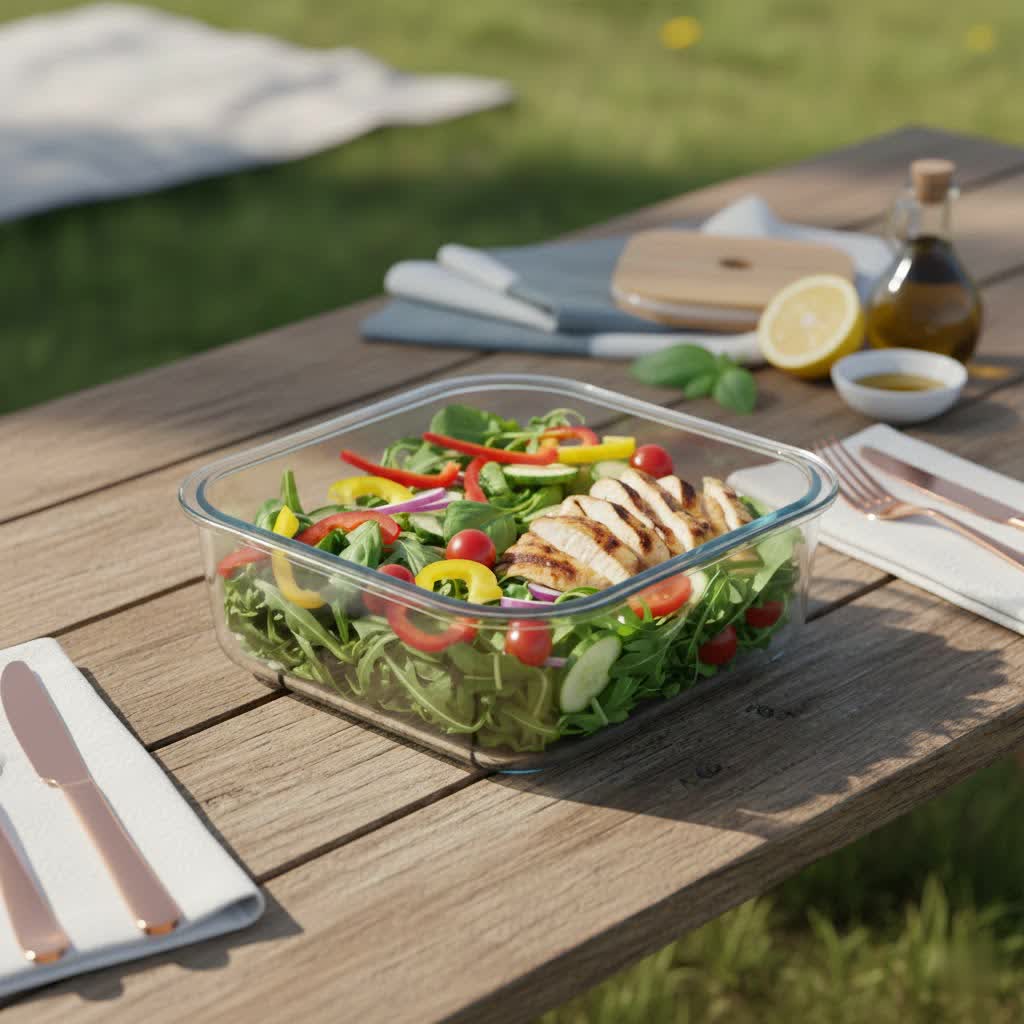
Imagine a chilly winter morning, or a long day at work, and the comforting thought of a warm, homemade meal. Far too often, we settle for lukewarm leftovers or expensive takeout. But what if you could enjoy piping hot food, just as delicious as when it was prepared, hours after leaving your kitchen? This is the promise of thermos hot food containers. These indispensable items have revolutionized how we enjoy meals on the go, making healthy, warm eating accessible anywhere. This comprehensive guide will examine everything you need to know about thermos hot food containers, helping you choose, use, and care for the perfect one to suit your lifestyle.
Thermos Hot Food Containers: Everything You Need to Know
A thermos hot food container, often referred to simply as a food jar or vacuum flask, is an ingeniously designed vessel that significantly slows down the rate at which its contents change temperature. Whether you’re keeping soup hot or a salad cold, its primary function is to maintain the food’s initial temperature for an extended period, making it an “adiabatic” container. The concept of the vacuum flask was pioneered by Scottish chemist and physicist James Dewar in 1892, laying the groundwork for the thermal containers we use today. For complete food library on this site.
The remarkable ability of these containers to keep food hot stems from a clever application of physics, specifically by minimizing the three forms of heat transfer: conduction, convection, and radiation. A thermos typically features a double-wall construction, with a vacuum created in the space between the inner and outer layers. This vacuum is crucial because it contains virtually no air, thus eliminating heat transfer by both conduction (heat moving through direct contact) and convection (heat moving through fluid circulation). The inner walls are often silvered or given a reflective coating. This mirrored surface helps to reflect thermal radiation (heat emitted as electromagnetic waves) back into the container, further preventing heat loss. While the body of the thermos is highly efficient, the lid is often the primary point where heat can escape, making a well-designed, tightly sealing lid with a robust gasket essential for optimal temperature retention.
Key Factors When Choosing Your Thermos Hot Food Container
Selecting the right thermos hot food container involves more than just picking a pretty color. Several critical factors influence performance, safety, and longevity.
Material Matters: Safety and Durability
The materials used in your food container are paramount, especially when dealing with hot foods, as some materials can leach chemicals at elevated temperatures.
- Stainless Steel (304/316): Food-grade stainless steel is overwhelmingly the most recommended material for thermos food containers. It is highly durable, resistant to corrosion, and does not leach harmful substances into food, even when hot. Stainless steel is also very easy to clean and can withstand the rigors of daily use. Types 304 and 316 stainless steel are particularly favored for their safety and excellent performance in high-temperature environments. While generally robust, stainless steel containers can be heavier than plastic alternatives.
- Glass: A classic choice for food storage, glass offers purity and is non-reactive, meaning it won’t impart flavors or chemicals to your food. It’s also very easy to clean and resistant to high temperatures, making it a safe option. However, glass is inherently fragile and significantly heavier than other materials, which might be a drawback for portability.
- Food-Grade Plastics (HDPE, PP): While typically not used for the main insulated body of a thermos, food-grade plastics like High-Density Polyethylene (HDPE) and Polypropylene (PP) are often found in lids, seals, or integrated compartments. These plastics are generally considered safe for food contact and are lightweight. It’s crucial to ensure that any plastic components are explicitly labeled as “BPA-free” and “phthalate-free” to avoid potential chemical leaching, especially when in contact with hot food.
- Materials to Avoid: Steer clear of containers made from Polyvinyl Chloride (PVC) and Polystyrene (PS, commonly known as Styrofoam), as these can leach harmful chemicals when heated. Also, be wary of plastics labeled with the recycling code #7 (“Miscellaneous”) without further clarification, as these can sometimes contain BPA or other concerning chemicals.
The choice of material, particularly for the internal surface in contact with food, is critical for both health safety and maintaining the food’s integrity and taste.
Size, Capacity, and Design
|
Our Picks for the Best Food Container in 2026
As an Amazon Associate I earn from qualifying purchases.
|
||
| Num | Product | Action |
|---|---|---|
| 1 | 38oz Meal Prep Containers, Extra Large &Thick Food Storage Containers with Lids, Reusable Plastic,Disposable Bento Box,Stackable,Microwave/Freezer/Dishwasher Safe, BPA Free (30Pack) |

|
| 2 | Rubbermaid Brilliance Food Storage Containers BPA Free Airtight Lids Ideal for Lunch Meal Prep & Leftovers Set of 5 (3.2 Cup) |
|
| 3 | Rubbermaid 60-Piece Food Storage Containers with Lids, Microwave and Dishwasher Safe, Red Color, Ideal for Meal Prep and Pantry Storage |
|
| 4 | Martha Stewart Shadowbrook 5-Piece Borosilicate Glass Storage Container Set – Airtight Locking Lids, 21.6 oz Meal Prep, Leftover & Lunch Containers, Microwave, Oven & Dishwasher Safe |
|
| 5 | 60 Sets (120-Piece) Deli Containers with Lids, 32/16/8 oz X 20 Set Each, Leak-Proof & BPA Free Airtight Takeout Plastic Food Storage Containers for Soup, Freezer/Microwave/Dishwasher Safe |
|
| 6 | Vtopmart 2Pack 1860ml/63oz Large Glass Storage Containers with Lids, Meal Prep Food Container Set with Snap Airtight Lid for Baking, Microwave, Oven, Leak Proof, for Freezer, Dishwasher, Grey |
|
| 7 | Vtopmart 5Pack 22oz Glass Storage Containers with Lids, Glass Meal Prep Food Container Sets with Snap Airtight Lids for Microwave, Oven, Freezer and Dishwasher, Grey |
|
| 8 | 50 Pack (100-Piece) 32 oz Meal Prep Containers Reusable with Easy Open Lids, Sturdy Leakproof Food Safe, Microwave Freezer Dishwasher Safe, To Go Take Out Plastic Food Storage Pans with Lids, Black |
|
| 9 | Glass Food Storage Jars with Airtight Lids – Wide Mouth Pantry Containers, Thick BPA-Free Glass, Moisture & Insect Resistant, Customizable Labels Included – 80 oz x 3 |
|
| 10 | Rubbermaid Brilliance BPA Free Airtight Food Storage Containers with Lids, Set of 4 (4.7 Cup) Ideal for Lunch, Meal Prep, and Leftovers |
|
The right size and design will greatly enhance your container’s usability.
- Capacity: Thermos containers come in a range of capacities, from small 10-ounce jars perfect for a child’s snack or a side dish, to larger 24-ounce options suitable for a hearty adult meal or multiple servings. Consider who will be using it and for what purpose.
- Wide Mouth Design: A wide mouth is a highly desirable feature. It makes filling the container with food significantly easier, allows for direct eating with standard utensils, and simplifies thorough cleaning.
- Shape: The shape can impact portability and storage. Taller, slimmer containers might fit better in backpacks, while squatter, wider jars offer more stability.
- Specialized Features: Some containers offer convenient additions like nesting bowls (e.g., S’well), integrated folding sporks (e.g., Thermos Stainless King, Stanley), or internal dividers, enhancing their versatility.
Insulation Performance: How Long Does it Stay Hot?
The core purpose of a thermos hot food container is its ability to maintain temperature. This is arguably its most important feature.
- Temperature Retention: Look for products that clearly state their heat retention capabilities. Many reputable brands claim to keep food hot for 5-9 hours. Real-world performance can vary based on external temperature, how full the container is, and how often it’s opened.
- The “Danger Zone”: For food safety, it’s vital to keep hot food above 140°F (60°C) to prevent rapid bacterial growth. This temperature range between 40°F (4°C) and 140°F (60°C) is known as the “danger zone.” A good thermos will keep your food above this threshold for several hours.
- Factors Affecting Performance: Preheating the container with boiling water for a few minutes before adding hot food significantly boosts its temperature retention. Filling the container completely also helps, as there’s less air space for heat to escape.
Leak-Proofing and Seal Quality
No one wants a leaky lunch bag. A robust, leak-proof seal is crucial.
- Tight Seal: The lid and its sealing mechanism are critical for preventing spills and maintaining insulation. Look for lids with high-quality silicone or rubber gaskets and secure locking mechanisms.
- Pressure Release: Some advanced designs include a pressure-release valve, which can be helpful for easy opening after hot contents have created a vacuum seal.
Additional Features for Convenience
Beyond the basics, certain features can add to the overall user experience.
- Microwave-Safe Components: While the insulated main body is never microwave-safe, some containers come with inner bowls that can be removed and microwaved, offering flexibility for reheating if power is available.
- Dishwasher Compatibility: Many stainless steel food jars are labeled as top-rack dishwasher safe, but handwashing is often recommended to preserve finishes and seals over time.
- Integrated Cutlery: A folding spoon or spork neatly stored in the lid is a convenient feature that means one less thing to to pack.
- Non-Slip Bases and Carry Handles: These small additions can make a big difference in stability and portability.
Popular Thermos Hot Food Container Options: A Comparison
The market offers a wide array of excellent thermos hot food containers. Here’s a comparative look at some top performers based on user reviews and expert testing:
| Feature | Stanley Classic Legendary Food Jar | Thermos Stainless King Food Jar | Zojirushi Stainless Steel Food Jar | Yeti 16-Ounce Food Jar | Hydro Flask Food Jar | S’well Stainless Steel Food Bowl |
|---|---|---|---|---|---|---|
| Material | Stainless Steel | Stainless Steel | Stainless Steel | Stainless Steel | Stainless Steel | Stainless Steel (with Tritan inner bowl) |
| Capacities | 18 oz, 24 oz | 16 oz, 24 oz | 12 oz, 17 oz, 25 oz | 10 oz, 16 oz | 12 oz, 20 oz, 28 oz | 21.5 oz |
| Heat Retention | Excellent (7-9 hrs) | Excellent (7-9 hrs) | Superior (6+ hrs, often hotter) | Very Good (5-6 hrs) | Good (4-5 hrs) | Good (5 hrs) |
| Special Features | Integrated spork, wide mouth, leak-proof | Folding stainless steel spoon, lid doubles as bowl, wide mouth, leak-proof | Lightweight, very hot retention, leak-proof (but some models drip from gasket) | Durable, wide mouth, leak-proof, no-sweat design | Wide mouth, variety of colors/sizes, decent heat retention | Comes with microwaveable Tritan prep bowl, stylish, leak-proof |
| Pros | Extremely durable, reliable, iconic design | Great value, excellent performance, convenient spoon/bowl | Top-tier heat retention, sleek, various sizes | Rugged, premium brand, excellent for cold too | Stylish, good for day hikes, multiple sizes | Aesthetic, versatile with inner bowl, good for meal prep |
| Cons | Spork can be tricky, limited colors | Opening slightly narrower than some, spoon shallow | Can be pricier, some gasket issues reported | Heavier, more expensive, no integrated cutlery | Not always warmest, no integrated cutlery | Inner bowl takes up space, need to pack own cutlery |
Using and Caring for Your Thermos Hot Food Container
Proper usage and maintenance are key to maximizing performance and extending the life of your thermos.
Best Practices for Keeping Food Hot
To get the most out of your insulated food container, follow these simple steps:
- Preheat the Container: Before adding your hot food, fill the empty thermos with boiling water, put the lid on, and let it sit for 5-10 minutes. This heats the inner walls, preventing them from drawing heat away from your food. Discard the water before adding food.
- Use Hot Food: Ensure your food is as hot as possible when you transfer it to the preheated container. Super-hot soups or stews will stay warmer longer.
- Fill Completely: The less empty space inside, the better. A fuller container maintains its temperature more effectively, as there’s less air to cool down.
- Securely Seal the Lid: Always ensure the lid is tightly screwed or snapped into place. A loose lid is the quickest way for heat to escape.
Cleaning and Maintenance
Regular and proper cleaning prevents odors, stains, and bacterial growth.
- Handwashing vs. Dishwasher: While some stainless steel containers are advertised as dishwasher-safe (often top-rack), handwashing with warm, soapy water is generally recommended to preserve the finish, seals, and overall longevity of your thermos.
- Removing Odors and Stains: For stubborn odors or stains, a mixture of warm water and baking soda, or a diluted vinegar solution, can be very effective. Let it soak for a few hours or overnight, then scrub and rinse thoroughly.
- Drying Thoroughly: Always allow your thermos and all its components (lid, gaskets) to air dry completely before reassembling and storing. This prevents moisture buildup and mold.
When to Replace Your Container
Even the most durable thermos has a lifespan. Consider replacing your food container if:
- The insulation performance significantly degrades (food cools much faster than it used to).
- The seals are cracked, damaged, or no longer provide a tight, leak-proof fit.
- There are visible cracks or damage to the inner or outer shell, which can compromise the vacuum seal.
- You notice persistent odors or discoloration that cannot be cleaned.
Where to Purchase Thermos Hot Food Containers
Thermos hot food containers are widely available, making it easy to find one that suits your needs.
- Online Retailers: Websites like Amazon, Walmart, Target, and the official brand websites (Stanley, Thermos, Zojirushi, Yeti, Hydro Flask, S’well) offer extensive selections, competitive pricing, and user reviews.
- Brick-and-Mortar Stores: You can find these containers at department stores (e.g., Macy’s, Kohl’s), outdoor and sporting goods stores (e.g., REI, Dick’s Sporting Goods), and kitchenware shops.
- Tips for Smart Shopping: Always read customer reviews to get real-world insights into performance and durability. Check for warranties, as many reputable brands offer them, indicating confidence in their product quality.
Buying Guide: Choosing the Right Thermos Hot Food Container for Your Lifestyle
Making the final choice depends on aligning the product’s features with your individual needs.
Assess Your Needs
Start by considering how and where you’ll use your thermos hot food container:
- Daily Use: Is it for school lunches, office meals, or construction sites? This will influence durability and size requirements.
- Food Type: Will you mostly be packing soups, stews, pasta, or perhaps hot breakfast items? A wider mouth is better for chunkier foods.
- Portion Sizes: Do you need a single serving for yourself, a smaller portion for a child, or a larger capacity for sharing?
- Outdoor Activities: If you’re using it for hiking, camping, or picnics, portability, ruggedness, and extended heat retention will be crucial.
Consider Your Budget
Thermos hot food containers range widely in price, from budget-friendly options to premium brands.
- Value for Money: While cheaper options exist, investing a bit more often translates to better insulation, more durable materials, and a longer lifespan. Determine what you’re willing to spend for quality and features.
Leverage User Reviews and Expert Opinions
Before making a purchase, tap into the collective experience of other users.
- Online Reviews: Read customer testimonials on retail sites to understand real-world performance, common issues, and favorite features.
- Expert Reviews: Consult product review websites (like The Spruce Eats or Food Network) that conduct independent tests and comparisons.
> “Choosing the right thermos is about balancing insulation performance with practicality. A wide mouth and an easy-to-clean design are often overlooked features that significantly enhance the daily user experience.” – Sarah Miller, Culinary Gadget Expert
A quality thermos hot food container is more than just a convenience; it’s an investment in healthier, more enjoyable meals on the go. By understanding the science behind their effectiveness and carefully considering materials, size, and features, you can confidently select a container that keeps your food deliciously hot for hours. Embrace the freedom of bringing your favorite warm dishes wherever your day takes you. What delicious hot meal will you pack in your new thermos this week?
Frequently Asked Questions
How long do thermos hot food containers typically keep food warm?
Most high-quality thermos hot food containers are designed to keep food hot for 5 to 9 hours, though some premium models can extend this even longer. Factors like preheating the container, the initial temperature of the food, and how full the jar is will influence the actual retention time.
Can you put thermos hot food containers in the microwave?
No, the main insulated body of a thermos hot food container, especially those made of stainless steel, should never be placed in a microwave. Metal in a microwave can cause sparks and damage the appliance. Some containers might include separate, microwave-safe inner bowls, but the vacuum-insulated jar itself is not safe for microwave use.
Are thermos food containers dishwasher safe?
Many stainless steel thermos food containers are labeled as top-rack dishwasher safe. However, to preserve the exterior finish, extend the life of the seals, and maintain optimal insulation performance, handwashing with warm, soapy water is often recommended. Always check the manufacturer’s specific cleaning instructions.
What’s the best way to clean a thermos hot food container to prevent odors?
For daily cleaning, hot soapy water and a bottle brush are usually sufficient. To combat persistent odors, fill the container with a mixture of warm water and a tablespoon of baking soda, or a diluted white vinegar solution, and let it soak overnight. Rinse thoroughly and air dry completely.
What material is safest for hot food in these containers?
Food-grade stainless steel, particularly 304 or 316 grades, is widely considered the safest material for the interior of hot food containers. It is non-reactive, durable, and does not leach harmful chemicals into food, even at high temperatures. Always ensure any plastic components are certified BPA-free and phthalate-free.
Pet products vetted on real animals
Free PDF — protein DMB calculator + 18 dog foods rated.
