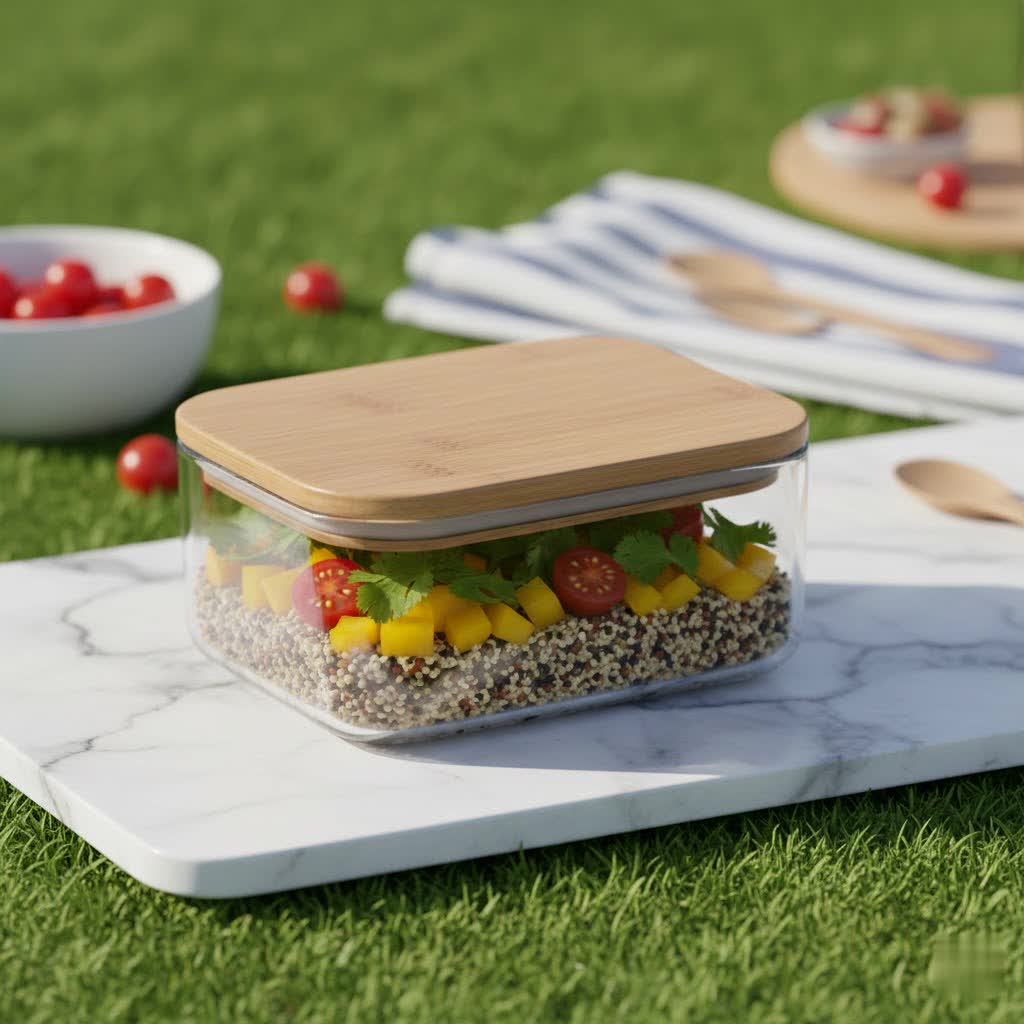
In many kitchens, the search for the perfect food storage solution often ends in a frustrating pile of mismatched plastic containers, stained from yesterday’s pasta, and lids that have mysteriously warped beyond recognition. If you’ve ever felt this struggle, you’re not alone. The good news? There’s a superior alternative that not only keeps your food fresher and safer but also brings order and elegance to your kitchen: glass food storage containers. This comprehensive guide will explore everything you need to know about these essential kitchen allies, from their inherent benefits and crucial buying factors to proper care and top recommendations, ensuring you make the best choice for your home.
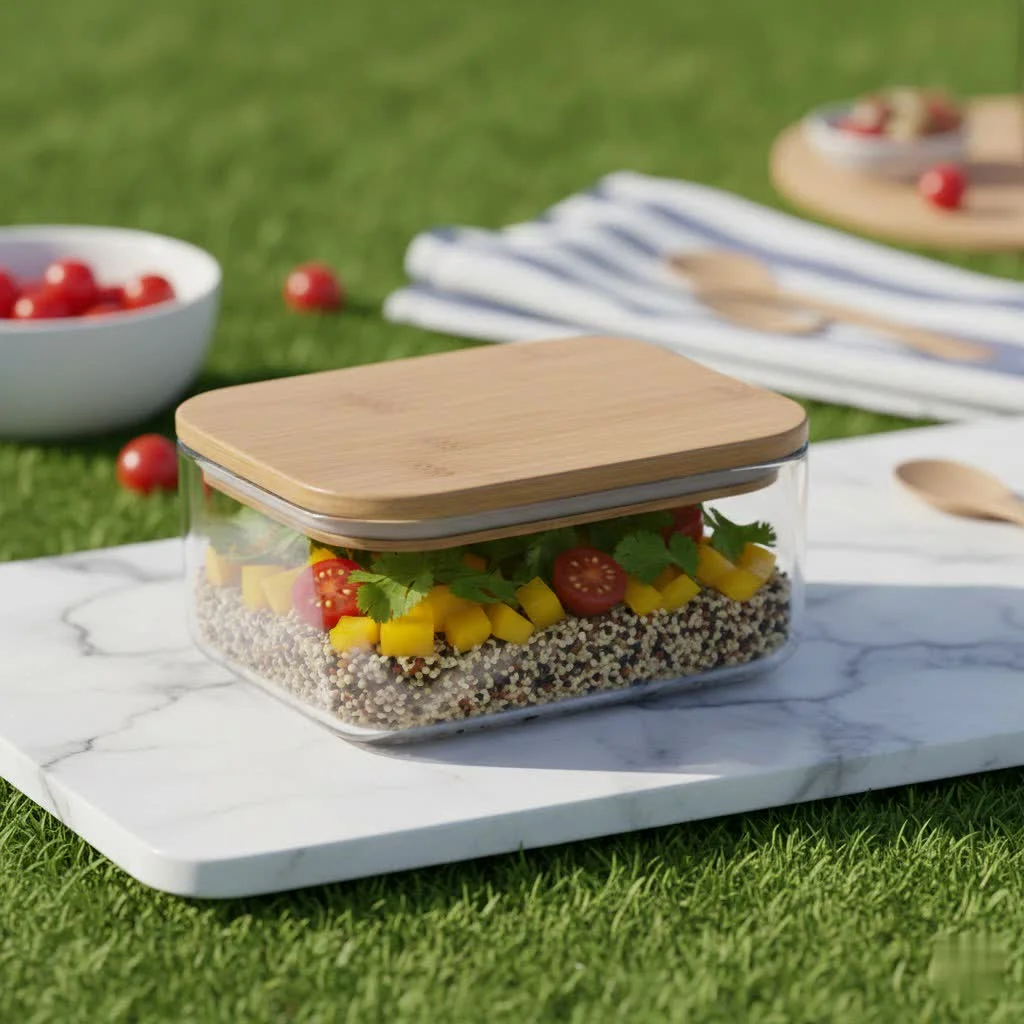
Glass Food Containers: Everything You Need to Know
Glass food containers are reusable vessels crafted from durable, non-porous glass, designed for safely storing a wide array of foodstuffs, from dry goods and liquids to perishable leftovers. Unlike their plastic counterparts, glass doesn’t interact with food, preserving its true flavor and preventing the leaching of unwanted chemicals.
The concept of storing food in glass dates back centuries, evolving from simple jars used for canning and preserving to the sophisticated, airtight, and often oven-safe designs we see today. This evolution reflects a growing understanding of food safety, preservation, and environmental impact.
Today, the market offers several types of glass used in food storage containers, each with distinct properties:
- Borosilicate Glass: This type of glass is highly prized for its exceptional resistance to thermal shock, meaning it can withstand rapid temperature changes without shattering. This makes borosilicate glass ideal for containers that go straight from the freezer to the oven or microwave, though gradual temperature adjustment is always recommended. It’s more durable but generally more expensive.
- Tempered Glass: Tempered glass undergoes a special treatment process that significantly increases its strength and thermal shock resistance compared to ordinary glass. If it does break, it shatters into smaller, less sharp pieces, enhancing safety. Many popular glass food storage sets utilize tempered glass for its balance of durability and cost-effectiveness.
- Soda-Lime Glass (Untreated): This is the most common and least expensive type of glass, found in everyday items like drinking glasses and jars. While safe for storage, untreated soda-lime glass is not resistant to thermal shock and can shatter into sharp shards when broken, making it less suitable for extreme temperature shifts like freezer-to-oven transitions.
Factors to Consider When Buying Glass Food Containers
Choosing the right glass food containers involves more than just picking a pretty set. Several critical factors influence their performance, safety, and longevity in your kitchen.
Material of Food Container
|
Our Picks for the Best Food Container in 2026
As an Amazon Associate I earn from qualifying purchases.
|
||
| Num | Product | Action |
|---|---|---|
| 1 | Glass Food Storage Jars with Airtight Lids – Wide Mouth Pantry Containers, Thick BPA-Free Glass, Moisture & Insect Resistant, Customizable Labels Included – 80 oz x 3 |

|
| 2 | 38oz Meal Prep Containers, Extra Large &Thick Food Storage Containers with Lids, Reusable Plastic,Disposable Bento Box,Stackable,Microwave/Freezer/Dishwasher Safe, BPA Free (30Pack) |
|
| 3 | Rubbermaid Brilliance Food Storage Containers BPA Free Airtight Lids Ideal for Lunch Meal Prep & Leftovers Set of 5 (3.2 Cup) |
|
| 4 | Vtopmart 5Pack 22oz Glass Storage Containers with Lids, Glass Meal Prep Food Container Sets with Snap Airtight Lids for Microwave, Oven, Freezer and Dishwasher, Grey |
|
| 5 | 50 Pack (100-Piece) 32 oz Meal Prep Containers Reusable with Easy Open Lids, Sturdy Leakproof Food Safe, Microwave Freezer Dishwasher Safe, To Go Take Out Plastic Food Storage Pans with Lids, Black |
|
| 6 | Vtopmart 2Pack 1860ml/63oz Large Glass Storage Containers with Lids, Meal Prep Food Container Set with Snap Airtight Lid for Baking, Microwave, Oven, Leak Proof, for Freezer, Dishwasher, Grey |
|
| 7 | Rubbermaid Brilliance BPA Free Airtight Food Storage Containers with Lids, Set of 4 (4.7 Cup) Ideal for Lunch, Meal Prep, and Leftovers |
|
| 8 | 60 Sets (120-Piece) Deli Containers with Lids, 32/16/8 oz X 20 Set Each, Leak-Proof & BPA Free Airtight Takeout Plastic Food Storage Containers for Soup, Freezer/Microwave/Dishwasher Safe |
|
| 9 | Rubbermaid 60-Piece Food Storage Containers with Lids, Microwave and Dishwasher Safe, Red Color, Ideal for Meal Prep and Pantry Storage |
|
| 10 | Martha Stewart Shadowbrook 5-Piece Borosilicate Glass Storage Container Set – Airtight Locking Lids, 21.6 oz Meal Prep, Leftover & Lunch Containers, Microwave, Oven & Dishwasher Safe |
|
The material of your food container, particularly the glass itself and the lid, plays a pivotal role in its overall quality and safety.
-
Advantages of Glass:
- Non-Toxic and Chemical-Free: Glass is naturally free from harmful chemicals such as BPA, BPS, phthalates, lead, and cadmium, which can be found in some plastic containers. This non-porous nature ensures that no undesirable substances leach into your food, safeguarding your health.
- Preserves Freshness and Flavor: Glass does not absorb odors or stains, ensuring that last night’s curry doesn’t taint tomorrow’s salad. It also maintains the original taste and texture of food by preventing moisture and air from affecting it.
- Durability and Clarity: High-quality glass resists scratches and maintains its optical clarity even after countless washes, allowing you to easily identify contents.
- Eco-Friendly: Glass is 100% recyclable and can be reused indefinitely, significantly reducing plastic waste and contributing to a more sustainable lifestyle.
-
Borosilicate vs. Tempered Glass for Health and Durability:
- For containers subjected to extreme temperature changes (e.g., baking, freezing), borosilicate glass offers superior thermal shock resistance.
- Tempered glass provides excellent general durability for everyday use and is less likely to break than untreated glass, offering a good balance for most households.
Size and Shape of Food Container
The dimensions and form of your containers impact their utility and storage efficiency.
- Appropriate Capacity:
- Small (1-2 cups): Perfect for individual snack portions, condiments, or baby food.
- Medium (3-5 cups): Ideal for single-serving meals, side dishes, or packing lunches.
- Large (6-10 cups): Suited for bulk ingredient storage (grains, pasta), larger meal prep, or family-sized leftovers.
- Extra Large (10+ cups): Best for preparing and storing large quantities of food for families or entertaining.
- Space-Saving Shapes: Rectangular and square containers often stack more efficiently in refrigerators, freezers, and cabinets, maximizing your storage space. Consider sets where different sizes nest within each other.
- Specialized Containers: Look for containers with built-in dividers if you frequently meal prep and want to keep different food components separate. Options like soup containers with secure lids are also available for specific needs.
Airtightness and Leak-Proofing
A container’s ability to create a secure seal is paramount for food preservation and preventing messy spills.
- Importance of a Tight Seal: An airtight seal is crucial for keeping food fresh longer by minimizing exposure to air, which causes oxidation and spoilage. It also prevents liquids from leaking, making containers safe for transport.
- Checking for Quality: High-quality glass containers typically feature silicone or rubber gaskets around the lid and strong, easy-to-operate latches that snap securely into place. You can often test for airtightness by filling a container with water, sealing it, and shaking it gently to check for drips.
Additional Features
Modern glass food containers often come with features that enhance convenience and versatility.
- Microwave, Dishwasher, Freezer, and Oven Safe: Most glass containers are designed to be safe for use across various appliances. Always verify the manufacturer’s instructions for specific temperature limits. While glass bases are generally oven-safe, plastic lids often are not designed for oven or high-heat microwave use.
- Specialized Functions: Some lids include built-in vents to release steam during microwaving, preventing splatters and pressure buildup. Dividers within containers are excellent for organizing meal components.
Comparing Popular Glass Food Containers
The market offers a range of excellent glass food storage container brands, each with its own strengths. While specific product lines evolve, here’s a general comparison based on commonly highlighted attributes:
| Feature/Brand | Rubbermaid Brilliance Glass | OXO Good Grips Smart Seal Glass | Glasslock | Pyrex Simply Store | Caraway Food Storage Set |
|---|---|---|---|---|---|
| Glass Type | Tempered | Borosilicate | Tempered | Tempered | Ceramic-coated Glass |
| Lid Type | StainShield Plastic, vented | Plastic locking tabs, silicone seal (removable) | Plastic, snap-tight | Plastic, color-coded | Ceramic-coated Glass, silicone-sealed |
| Airtightness | Excellent | Excellent | Excellent | Good | Good (can be finicky) |
| Leak-Proof | Yes | Yes | Yes | Moderate | Moderate (not ideal for liquids) |
| Oven Safe | Yes (base up to 450°F) | Yes (base) | Yes (base) | Yes (base) | Yes (base) |
| Microwave Safe | Yes (base with vent) | Yes (base) | Yes (base) | Yes (base) | Yes (base) |
| Freezer Safe | Yes | Yes | Yes | Yes | Yes |
| Dishwasher Safe | Yes | Yes | Yes | Yes | Yes |
| Stackability | Excellent, nestable | Good, rectangular stack inside each other | Good | Good, nestable | Excellent (with organizers) |
| Key Advantage | Interchangeable lids, built-in vents, highly durable | Removable gasket for easy cleaning, thick borosilicate glass | Wide range of sizes, versatile | Iconic brand, good value, easy storage | Aesthetically pleasing, comprehensive sets, includes organizers |
| Consideration | Lids can dip into container when full, pricier | Small containers are very tiny, can crack if dropped multiple times | Some reports of shattering from short drops | Not completely leakproof for all liquids | Expensive, lids can be difficult to secure, can break on impact |
How to Use and Care for Your Glass Food Containers Properly
Proper use and maintenance are key to extending the life of your glass food containers and ensuring they remain hygienic.
Cleaning Your Food Containers
Maintaining pristine glass containers is straightforward due to their non-porous nature.
- Handwashing vs. Dishwasher: Most glass containers are dishwasher-safe. For lids, especially those with silicone gaskets, handwashing is often recommended to preserve the seal’s integrity and prevent warping, though many are also top-rack dishwasher safe. Always check manufacturer guidelines.
- Safe and Effective Cleaners: Use mild dish soap and warm water for regular cleaning. For tougher residues, a baking soda paste can be effective.
- Removing Odors and Stains: Glass is highly resistant to absorbing odors and stains. If odors linger, they are usually trapped in the silicone gasket. Remove the gasket and wash it separately with soap and water, or soak it in a vinegar solution. For glass, a quick wash usually suffices.
Storing Your Food Containers
Thoughtful storage not only keeps your kitchen organized but also protects your containers.
- Efficient Storage: Look for sets designed for stackability, where containers nest perfectly inside each other. This saves valuable cabinet or drawer space. Store lids vertically in an organizer for easy access.
- Avoiding Damage: While glass is durable, it can break. Avoid storing heavy items directly on top of glass containers. Keep them away from edges where they might accidentally fall.
- When to Replace: Promptly replace any glass container with chips, cracks, or significant damage, as these can compromise safety and hygiene. Similarly, replace lids with warped seals or broken latches to maintain airtightness.
Where to Buy Glass Food Containers
Acquiring high-quality glass food containers is easier than ever with numerous retail options.
- Online Retailers: Websites like Amazon, Wayfair, Target, and the official brand websites (e.g., Rubbermaid, OXO, Caraway) offer a vast selection, often with customer reviews and competitive pricing.
- Brick-and-Mortar Stores: You can find glass food containers at department stores, home goods stores (like Bed Bath & Beyond), and even some grocery stores. Shopping in person allows you to physically inspect the quality, feel the weight, and test the lid mechanisms.
- Tips for Purchasing: Always compare prices from different vendors. Read customer reviews to gain insight into real-world performance, especially regarding lid durability and leak-proof capabilities. Familiarize yourself with return policies before making a purchase.
Buying Guide: Choosing the Right Glass Food Container for Your Needs
Navigating the extensive choices available can be daunting. This guide helps you tailor your selection to your specific lifestyle.
Determine Your Usage Needs
Start by assessing how you primarily intend to use your containers.
- Meal Prep Enthusiast? Look for sets with multiple containers of the same size, possibly with dividers, and ensure they are freezer and microwave safe.
- Leftover Storage? A variety of sizes to accommodate different portions, alongside excellent airtight seals for extended freshness, will be crucial.
- Bulk Storage? Larger containers for pantry staples like grains, pasta, or flour will be essential. Consider stackable designs to maximize cabinet space.
- On-the-Go Meals? Prioritize leak-proof designs and durable lids. Some individual bowls with protective silicone sleeves are excellent for portability.
Determine Your Budget
Glass food containers represent an investment, with prices varying significantly.
- Price Range: Basic sets can start around $30-$50, while premium or larger sets from high-end brands can exceed $200.
- Value vs. Cost: While the initial cost might be higher than plastic, the durability, longevity, health benefits, and eco-friendliness of glass often make them more cost-effective in the long run. Consider your budget, but also recognize the value of a quality product that will last for years.
Consult User Reviews
User experiences provide invaluable insights that product descriptions might miss.
- Online Reviews: Thoroughly read reviews on retailer websites and independent review sites. Pay close attention to comments about lid durability, seal effectiveness (especially regarding leaks), ease of cleaning (particularly for gaskets), and how well the containers withstand everyday use and thermal changes.
- Recommendations: Ask friends and family for their preferred brands and what they love or dislike about their glass containers. Their firsthand experience can guide your decision.
“Investing in quality glass food storage containers transformed my kitchen. No more stained plastic or warped lids—just fresh food and organized peace of mind.”
Conclusion
Making the switch to glass food storage containers is more than just an organizational upgrade; it’s a commitment to healthier eating, reduced waste, and a more streamlined kitchen experience. By understanding the different types of glass, considering crucial factors like material, size, and airtightness, and properly caring for your chosen set, you can confidently select the best glass food storage containers to meet your needs. Embrace the clarity, durability, and versatility that glass offers, and enjoy a more efficient and enjoyable way to store your food.
What features do you prioritize most when choosing your perfect glass food storage containers?
Frequently Asked Questions
Is borosilicate or tempered glass better for food storage containers?
Borosilicate glass is superior for applications requiring extreme temperature changes, such as going directly from freezer to oven, due to its high thermal shock resistance. Tempered glass is generally stronger than untreated glass and more impact-resistant, making it excellent for everyday use, but it may be less tolerant of rapid temperature shifts than borosilicate.
Can glass containers go directly from freezer to oven?
Generally, borosilicate glass containers can withstand direct transfers from the freezer to a preheated oven. However, it’s always safest to allow glass containers to temper slightly at room temperature for about 15-20 minutes before placing them in an extreme temperature environment, and always follow the manufacturer’s specific instructions to prevent thermal shock and potential shattering.
How do I prevent my glass container lids from getting stained or smelly?
Most stains and odors in glass food containers originate from the plastic or silicone gaskets in the lids, not the glass itself. To prevent this, clean lids and their removable silicone seals immediately after use. Regular soaking of gaskets in a mixture of warm water and white vinegar can help eliminate lingering odors.
Why are my glass food containers leaking?
Leaking typically indicates an issue with the lid’s seal. This could be due to a damaged or improperly seated silicone gasket, worn-out locking tabs, or a warped lid. Inspect the gasket for tears or residue, ensure it’s correctly positioned, and confirm all latches are securely fastened. If the lid is warped or damaged, it might be time for a replacement.
Pet products vetted on real animals
Free PDF — protein DMB calculator + 18 dog foods rated.
