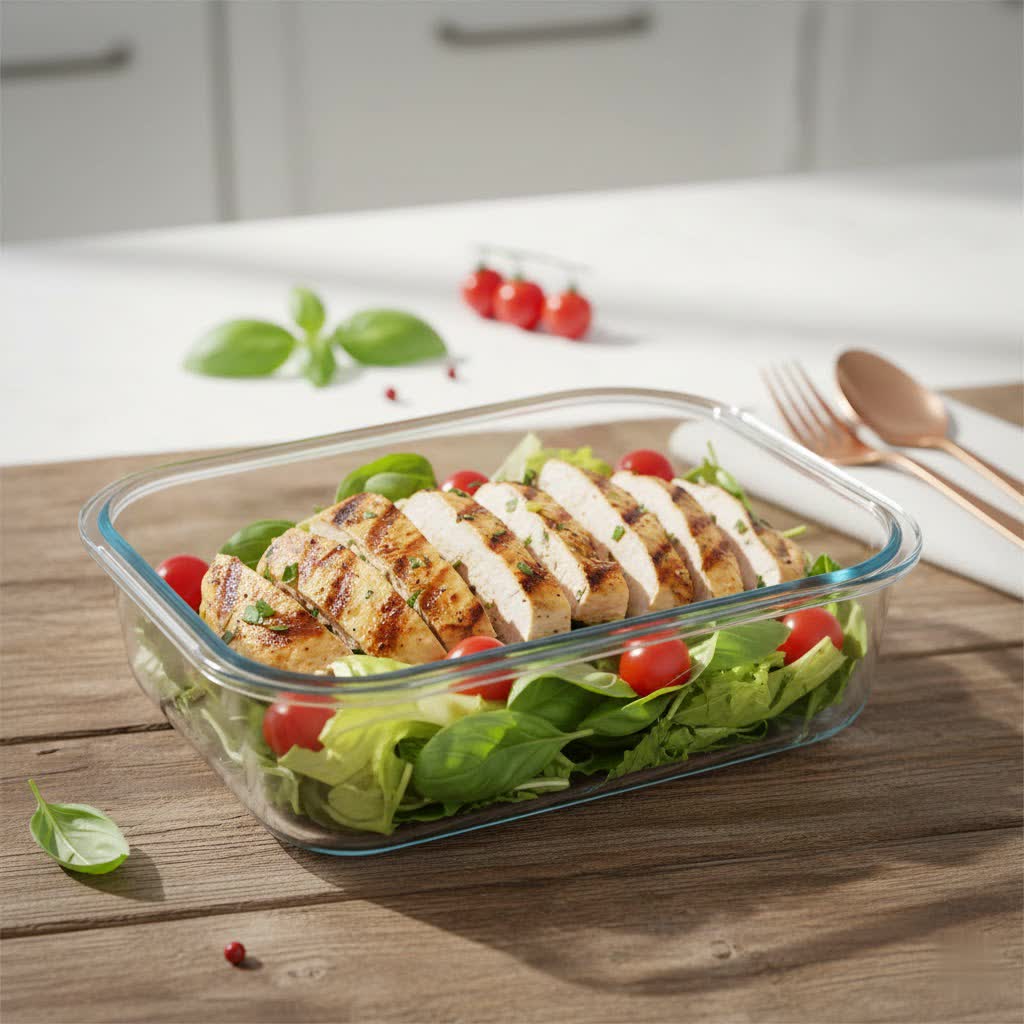
Food container boxes have transformed how we store, transport, and enjoy our meals. From preserving leftovers to simplifying meal prep and packing nutritious lunches, these versatile items are indispensable in modern kitchens. But with an overwhelming array of materials, shapes, and features available, choosing the right food container box can feel daunting. This comprehensive guide will help you navigate the options, understand key considerations, and select the perfect food container boxes to meet your needs, ensuring your food stays fresh and your kitchen remains organized.
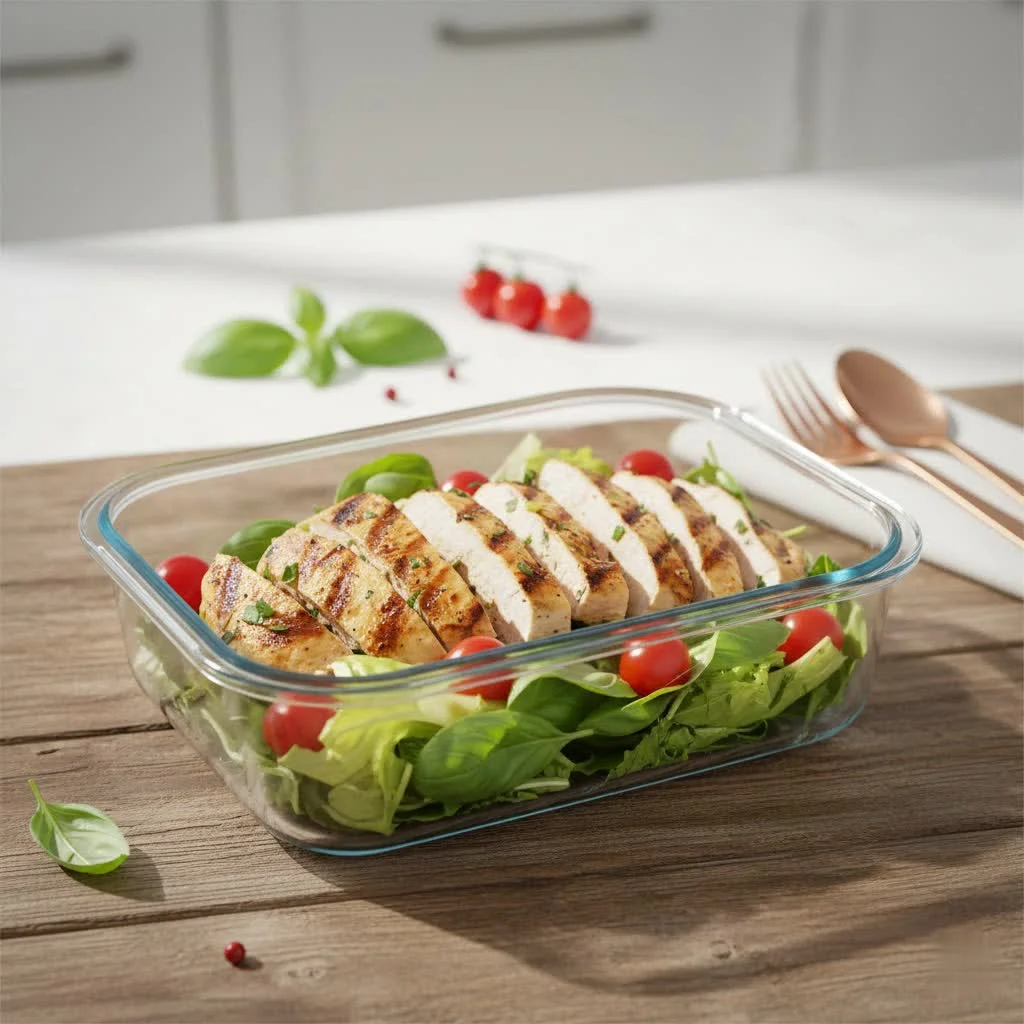
Food Container Boxes: Everything You Need to Know
A food container box is essentially any receptacle designed to hold food, typically with a lid for sealing and protection. Their primary purpose is to keep food fresh, prevent spoilage, and facilitate convenient storage and transport.
The concept of food storage is as old as civilization itself, evolving from basic pottery and woven baskets to sophisticated modern designs. Early containers focused on basic preservation, while contemporary food container boxes offer advanced features like airtight seals, temperature resistance, and specialized compartments, reflecting our increasingly on-the-go lifestyles and a greater understanding of food safety.
Today, the market boasts a diverse range of food container boxes, each suited for different applications:
- General Storage Containers: These are your everyday heroes for refrigerating leftovers, organizing pantry staples, or freezing batch-cooked meals.
- Meal Prep Containers: Often featuring multiple compartments, these are designed for portion control and preparing meals in advance.
- Lunch Boxes/Bento Boxes: Perfect for carrying meals to work or school, many come with insulated features or stackable designs.
- Specialty Containers: This category includes produce savers, soup containers with leak-proof seals, and large bulk storage boxes.
Key Factors to Consider When Buying a Food Container Box
Selecting the ideal food container box involves more than just picking a pretty color. Several critical factors influence a container’s performance, safety, and longevity.
Material Matters
The material of your food container box is perhaps the most important decision, impacting everything from safety to durability and usability.
- Plastic:
- Pros: Lightweight, affordable, shatter-resistant, and highly versatile in shape and size. Certain plastics like Polypropylene (PP) and High-Density Polyethylene (HDPE) are common for their durability and chemical resistance.
- Cons: Can stain, retain odors, and may degrade over time, potentially leaching chemicals. Concerns around Bisphenol A (BPA) and its substitutes mean prioritizing “BPA-free” labels. When choosing plastic, look for recycling codes #1 (PET), #2 (HDPE), #4 (LDPE), and #5 (PP) which are generally considered safer for food contact. Avoid plastics marked with #7, which can include BPA or BPS. Even if marked “microwave-safe,” many experts advise against reheating food in plastic containers to minimize chemical transfer.
- Glass:
- Pros: Non-porous, so it won’t absorb stains or odors, keeping food’s true flavor intact. It’s oven, microwave, and dishwasher safe, offering excellent versatility for cooking, reheating, and cleaning. Transparency allows for easy identification of contents. Highly recyclable and considered a more eco-friendly option.
- Cons: Heavier and more fragile than plastic, making it less ideal for travel or environments where breakage is a concern. It can also be more expensive.
- Stainless Steel:
- Pros: Extremely durable, lightweight (compared to glass), resistant to rust and corrosion, and does not retain odors or flavors. It’s an excellent eco-friendly, reusable option, often chosen for lunch boxes and outdoor use.
- Cons: Cannot be used in microwaves. It’s opaque, so you can’t see the contents without opening it. Some acidic foods might react with certain grades of stainless steel, potentially affecting taste, though this is rare with food-grade steel. Generally more expensive than plastic.
- Other Materials:
- Silicone: Often used for lids and seals, silicone is flexible, durable, heat-resistant, and non-toxic. Some collapsible containers are made entirely of silicone, offering space-saving benefits.
- Paperboard/Cardboard: Primarily used for single-use takeout or dry goods packaging. While some are compostable, they lack the reusability and durability for long-term food storage.
Size and Shape for Optimal Use
|
Our Picks for the Best Food Container in 2026
As an Amazon Associate I earn from qualifying purchases.
|
||
| Num | Product | Action |
|---|---|---|
| 1 | Rubbermaid Brilliance Food Storage Containers BPA Free Airtight Lids Ideal for Lunch Meal Prep & Leftovers Set of 5 (3.2 Cup) |

|
| 2 | Martha Stewart Shadowbrook 5-Piece Borosilicate Glass Storage Container Set – Airtight Locking Lids, 21.6 oz Meal Prep, Leftover & Lunch Containers, Microwave, Oven & Dishwasher Safe |
|
| 3 | Vtopmart 2Pack 1860ml/63oz Large Glass Storage Containers with Lids, Meal Prep Food Container Set with Snap Airtight Lid for Baking, Microwave, Oven, Leak Proof, for Freezer, Dishwasher, Grey |
|
| 4 | Rubbermaid Brilliance BPA Free Airtight Food Storage Containers with Lids, Set of 4 (4.7 Cup) Ideal for Lunch, Meal Prep, and Leftovers |
|
| 5 | Rubbermaid 60-Piece Food Storage Containers with Lids, Microwave and Dishwasher Safe, Red Color, Ideal for Meal Prep and Pantry Storage |
|
| 6 | 38oz Meal Prep Containers, Extra Large &Thick Food Storage Containers with Lids, Reusable Plastic,Disposable Bento Box,Stackable,Microwave/Freezer/Dishwasher Safe, BPA Free (30Pack) |
|
| 7 | 50 Pack (100-Piece) 32 oz Meal Prep Containers Reusable with Easy Open Lids, Sturdy Leakproof Food Safe, Microwave Freezer Dishwasher Safe, To Go Take Out Plastic Food Storage Pans with Lids, Black |
|
| 8 | Vtopmart 5Pack 22oz Glass Storage Containers with Lids, Glass Meal Prep Food Container Sets with Snap Airtight Lids for Microwave, Oven, Freezer and Dishwasher, Grey |
|
| 9 | 60 Sets (120-Piece) Deli Containers with Lids, 32/16/8 oz X 20 Set Each, Leak-Proof & BPA Free Airtight Takeout Plastic Food Storage Containers for Soup, Freezer/Microwave/Dishwasher Safe |
|
| 10 | Glass Food Storage Jars with Airtight Lids – Wide Mouth Pantry Containers, Thick BPA-Free Glass, Moisture & Insect Resistant, Customizable Labels Included – 80 oz x 3 |
|
The right size and shape can significantly impact storage efficiency and convenience.
- Capacity: Consider your primary use. Small containers are great for snacks or sauces, medium for individual meals, and large ones for batch cooking or bulk pantry items.
- Space Efficiency: Rectangular or square containers are generally more efficient for stacking and fitting into refrigerators, freezers, and cabinets than round ones. Stackable designs are key for maximizing storage space and keeping your kitchen organized.
- Specialized Shapes: Look for containers designed for specific foods, like tall, slender options for spaghetti or wider, shallower ones for lasagna or cakes. Bento boxes, with their internal dividers, are excellent for keeping different food items separate in a single meal.
Airtight and Leak-Proof Performance
An effective seal is paramount for food preservation and spill prevention.
- Why It’s Crucial: An airtight seal locks in freshness, extends shelf life, and protects food from freezer burn. Leak-proof features prevent messy spills, especially when transporting liquids like soups or dressings.
- How to Check: Look for containers with silicone gaskets or rubber seals around the lid, which create a tight barrier. Snap-lock lids with four latches often provide a superior seal compared to simple press-on lids. Some high-quality containers are designed to be tipped upside down without leaking.
Essential Additional Features
Modern food container boxes come with a variety of features that enhance their functionality.
- Microwave, Dishwasher, Freezer Safe: Always check the product labeling for these functionalities. While many plastics are technically microwave-safe, using glass or ceramic for reheating is often preferred. Dishwasher safety simplifies cleaning, and freezer-safe containers prevent cracking at low temperatures.
- Compartments: Ideal for meal prep, bento boxes, or separating different food components to prevent sogginess or mixing of flavors.
- Steam Release Valves: Found on some microwave-safe lids, these allow steam to escape during reheating, preventing pressure build-up and messy splatters.
Comparing Popular Food Container Box Types
To help you visualize the differences, here’s a detailed comparison of the most common food container materials:
| Feature/Material | Plastic (PP, HDPE, PET) | Glass | Stainless Steel |
|---|---|---|---|
| Durability | Good, but can warp/crack over time | Very good, but can shatter | Excellent, almost unbreakable |
| Transparency | Clear (PET, some PP) to opaque (HDPE) | Yes | No |
| Microwave Safe | Yes (check codes 1,2,4,5), but not always recommended for reheating | Yes | No |
| Oven Safe | No | Yes (container only, without lid) | No |
| Freezer Safe | Yes | Yes | Yes |
| Dishwasher Safe | Yes (top rack often recommended) | Yes | Yes |
| Leak-Proof | Good to excellent with proper seals | Good to excellent with proper seals | Good to excellent with proper seals |
| Odor/Stain Resistance | Can absorb over time | Excellent | Excellent |
| Weight | Lightweight | Heavy | Lightweight to medium |
| Cost | Low to moderate | Moderate to high | Moderate to high |
| Eco-Friendliness | Recyclable (varies by type/local facility) | Highly recyclable, reusable | Highly recyclable, reusable |
| Common Uses | Lunch boxes, meal prep, dry goods, disposable takeout | Leftovers, baking, meal prep, freezer storage | Lunch boxes, snacks, outdoor use, dry storage |
Proper Use and Maintenance for Your Food Container Boxes
Extending the life of your food container boxes requires proper care.
Cleaning Your Food Container Boxes
- Hand Washing vs. Dishwasher: Most glass and stainless steel containers are dishwasher safe. For plastic, always check if it’s top-rack dishwasher safe, as high heat on the bottom rack can cause warping or damage to seals. Hand washing with warm, soapy water is often gentler and helps prolong the life of plastic containers and their lids.
- Safe Cleaning Agents: Use mild dish soap and a soft sponge. For stubborn stains or odors in plastic containers, a paste of baking soda and water can be effective. Avoid abrasive scrubbers that can scratch surfaces, especially on plastic.
- Removing Odors and Stains: For plastic containers that retain food odors or stains (e.g., tomato sauce), try soaking them in a mixture of warm water and white vinegar, or rubbing them with half a lemon. Leaving them open in direct sunlight for a few hours can also help neutralize odors.
Storing and Extending Lifespan
- Proper Storage: Store containers and lids separately if possible to allow for air circulation and prevent moisture build-up, which can lead to odors. Stackable designs help keep cabinets tidy.
- Avoid Extreme Temperatures: While many containers are temperature-safe, avoid sudden, drastic temperature changes (e.g., directly from freezer to hot oven with glass, or using plastic in high-heat environments beyond its rating), as this can cause thermal shock or warping.
- When to Replace: Regularly inspect your containers. Replace plastic containers that are visibly scratched, warped, discolored, or have cracked seals, as these can harbor bacteria or leach chemicals more easily. Damaged glass or stainless steel should also be replaced for safety.
Where to Purchase Food Container Boxes
Finding quality food container boxes is easier than ever, with options ranging from brick-and-mortar stores to extensive online marketplaces.
- Physical Stores: Department stores, kitchen supply shops, and even many supermarkets offer a selection of food container boxes. This allows you to physically inspect the product, check lid seals, and assess sizes.
- Online Retailers: Websites like Amazon, specialty kitchenware sites, and sustainable living stores provide a vast selection, often with competitive pricing and detailed customer reviews. Be sure to check return policies.
- Direct from Brands: Many reputable brands also sell directly from their websites, sometimes offering exclusive sets or discounts.
When purchasing, always prioritize reputable brands known for food-safe materials and durable construction.
Buying Guide: Choosing the Right Food Container Box for Your Needs
Making the best choice comes down to aligning the container’s features with your lifestyle.
Defining Your Usage Requirements
Start by asking yourself:
- What will you use it for primarily? (e.g., daily lunch, meal prepping, long-term freezer storage, dry pantry goods, baby food).
- How much food do you typically need to store or carry? This will dictate the required capacity.
- What features are non-negotiable? (e.g., microwave safe, leak-proof, stackable, multiple compartments).
- Who will be using it? (e.g., easy-to-open lids for children, lightweight for commuters).
Setting Your Budget
Food container boxes vary widely in price based on material, brand, and features.
- Price Ranges: Plastic sets are generally the most affordable, while high-quality glass or stainless steel can be a significant investment.
- Value for Money: Consider long-term value. While plastic is cheaper upfront, it may need replacing more often. Durable glass or stainless steel, though pricier, can last for many years, offering better value over time.
Leveraging User Reviews
Online reviews are invaluable resources.
- Read Customer Feedback: Pay attention to comments regarding leak-proof performance, durability, ease of cleaning, and how the container holds up over time. Look for consistent praise or recurring complaints.
- Professional Reviews: Consult expert reviews from culinary or consumer product testing sites for in-depth analysis and comparisons.
Conclusion
Choosing the right food container box is an investment in both your kitchen efficiency and food quality. By carefully considering materials like durable glass or versatile plastics, prioritizing airtight seals, and matching sizes and features to your specific needs, you can significantly enhance your food storage experience. From reducing food waste to streamlining your meal prep, the perfect food container box simplifies daily life. What’s the one feature you simply can’t live without in your ideal food container box?
Frequently Asked Questions
Are plastic food containers safe for microwave use?
While many plastic containers are labeled “microwave-safe,” it’s often recommended to use glass containers for reheating food in the microwave. This minimizes the risk of chemicals leaching into your food, especially if the plastic is scratched or aged. Always check the recycling code on plastic containers; codes #1, #2, #4, and #5 are generally considered safer for food contact.
How can I remove stains and odors from plastic food containers?
For tough stains like tomato sauce, try rubbing the container with a lemon wedge or a paste made from baking soda and water, then rinse thoroughly. To eliminate odors, soak the container in white vinegar or leave it open in direct sunlight for a few hours.
What are the benefits of using glass food container boxes?
Glass food container boxes are non-porous, meaning they won’t absorb food odors or stains. They are oven, microwave, freezer, and dishwasher safe, making them highly versatile. Glass is also a more environmentally friendly option, as it is infinitely recyclable and does not leach chemicals into food.
Are stainless steel food containers suitable for all types of food?
Stainless steel containers are excellent for most foods, especially cold items, snacks, and dry goods. However, they are not microwave or oven safe. While high-quality food-grade stainless steel is generally non-reactive, some very acidic foods might, in rare cases, interact with the metal over extended storage.
How do I ensure my food container box is genuinely leak-proof?
Look for containers with silicone or rubber gaskets embedded in the lid, along with secure locking mechanisms (like four-sided snap latches). You can test a container by filling it with water, sealing it, and gently shaking or tipping it upside down to check for any drips.
Pet products vetted on real animals
Free PDF — protein DMB calculator + 18 dog foods rated.
