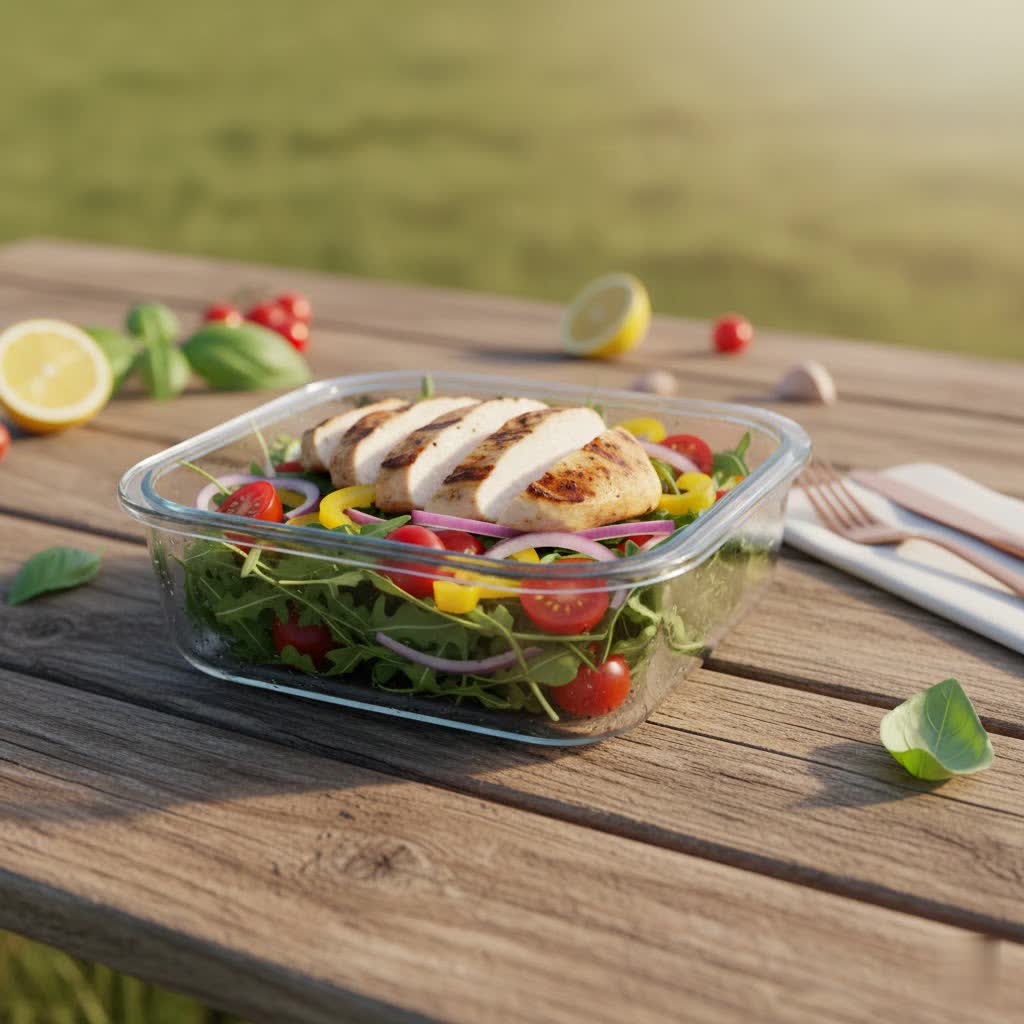
Have you ever opened your refrigerator only to find a mystery meal lurking in a stained plastic container, wondering if it’s still safe to eat? Or perhaps you’ve worried about unwanted chemicals leaching into your food from your storage solutions? For anyone committed to a healthier lifestyle and a more sustainable kitchen, the answer often lies in embracing glass food containers. These versatile, durable, and non-reactive vessels offer a compelling upgrade, promising to keep your food fresher for longer while providing peace of mind. This comprehensive guide will explore everything you need to know about choosing, using, and maintaining the best glass food containers for your home.
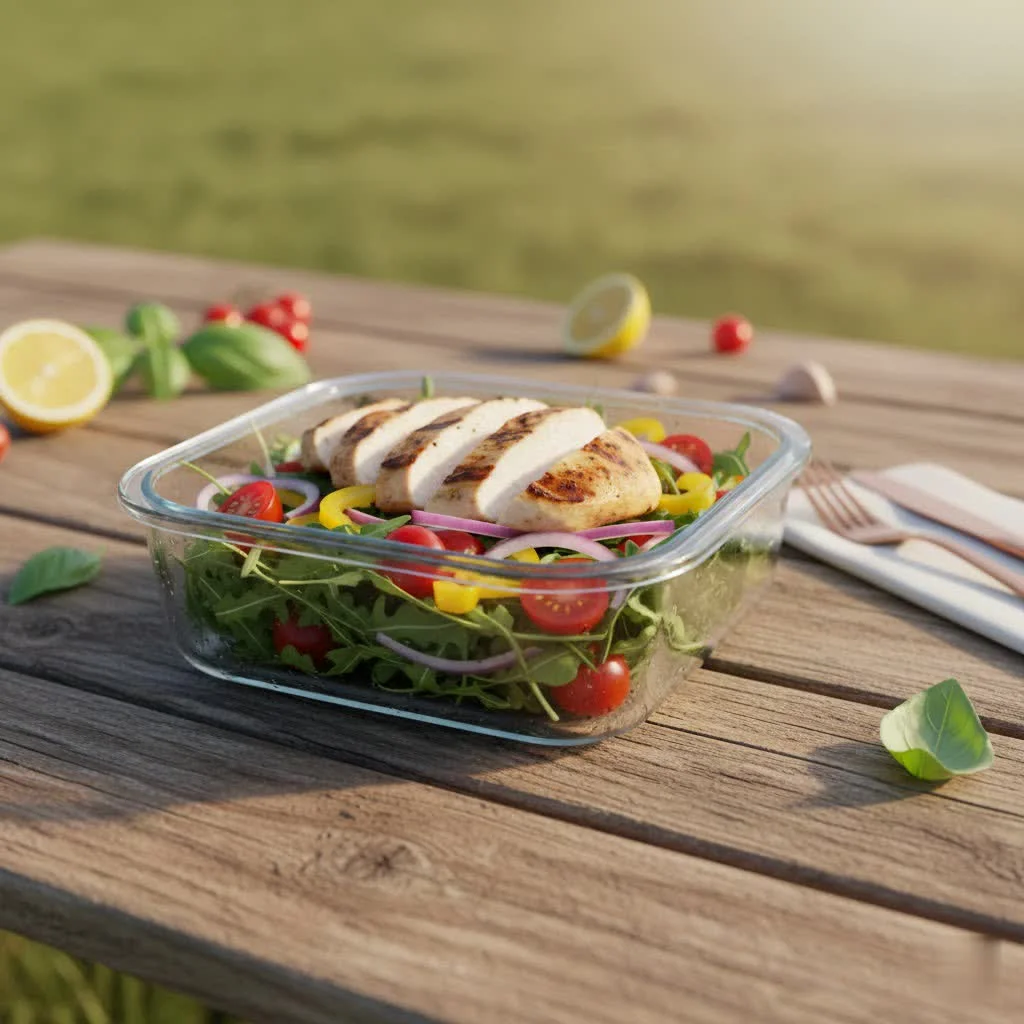
Glass Food Containers: Everything You Need to Know
A glass food container is essentially a receptacle made from glass, designed for storing and transporting food. Unlike its plastic counterparts, glass is an inert material, meaning it does not react with food or absorb its odors, flavors, or stains. These containers often come with airtight lids, typically made from BPA-free plastic or bamboo, featuring silicone gaskets and locking clasps to ensure a secure seal. For expert food reviews on this site.
The evolution of food containers has seen a significant shift over time. From traditional ceramic and wood to the widespread adoption of plastic in the mid-20th century, materials have constantly been adapted for convenience and cost. However, growing concerns about plastic’s environmental impact and potential health risks associated with chemical leaching have driven a strong resurgence in the popularity of glass. Today, glass food containers are celebrated for their purity, longevity, and multi-functional capabilities, making them a cornerstone of modern, health-conscious kitchens.
On the market, you’ll primarily encounter two popular types of glass food containers:
- Tempered Glass: This type of glass undergoes a special thermal tempering process to increase its strength and resistance to breakage. If it does break, it shatters into small, relatively harmless granular pieces rather than sharp shards, making it a safer option for everyday use.
- Borosilicate Glass: Known for its exceptional resistance to thermal shock, borosilicate glass can withstand extreme temperature changes without cracking. This makes it ideal for containers that frequently move from the freezer to the oven or microwave. It’s generally considered more durable against temperature fluctuations than tempered soda-lime glass.
Factors to Consider When Buying Glass Food Containers
Choosing the right glass food containers involves evaluating several key factors to ensure they meet your specific needs for safety, durability, and convenience. Thinking through these aspects before purchasing can save you time, money, and frustration in the long run.
Material of Glass Food Containers
|
Our Picks for the Best Food Container in 2026
As an Amazon Associate I earn from qualifying purchases.
|
||
| Num | Product | Action |
|---|---|---|
| 1 | Rubbermaid 60-Piece Food Storage Containers with Lids, Microwave and Dishwasher Safe, Red Color, Ideal for Meal Prep and Pantry Storage |

|
| 2 | Vtopmart 5Pack 22oz Glass Storage Containers with Lids, Glass Meal Prep Food Container Sets with Snap Airtight Lids for Microwave, Oven, Freezer and Dishwasher, Grey |
|
| 3 | Vtopmart 2Pack 1860ml/63oz Large Glass Storage Containers with Lids, Meal Prep Food Container Set with Snap Airtight Lid for Baking, Microwave, Oven, Leak Proof, for Freezer, Dishwasher, Grey |
|
| 4 | Martha Stewart Shadowbrook 5-Piece Borosilicate Glass Storage Container Set – Airtight Locking Lids, 21.6 oz Meal Prep, Leftover & Lunch Containers, Microwave, Oven & Dishwasher Safe |
|
| 5 | 50 Pack (100-Piece) 32 oz Meal Prep Containers Reusable with Easy Open Lids, Sturdy Leakproof Food Safe, Microwave Freezer Dishwasher Safe, To Go Take Out Plastic Food Storage Pans with Lids, Black |
|
| 6 | 38oz Meal Prep Containers, Extra Large &Thick Food Storage Containers with Lids, Reusable Plastic,Disposable Bento Box,Stackable,Microwave/Freezer/Dishwasher Safe, BPA Free (30Pack) |
|
| 7 | Rubbermaid Brilliance Food Storage Containers BPA Free Airtight Lids Ideal for Lunch Meal Prep & Leftovers Set of 5 (3.2 Cup) |
|
| 8 | Rubbermaid Brilliance BPA Free Airtight Food Storage Containers with Lids, Set of 4 (4.7 Cup) Ideal for Lunch, Meal Prep, and Leftovers |
|
| 9 | Glass Food Storage Jars with Airtight Lids – Wide Mouth Pantry Containers, Thick BPA-Free Glass, Moisture & Insect Resistant, Customizable Labels Included – 80 oz x 3 |
|
| 10 | 60 Sets (120-Piece) Deli Containers with Lids, 32/16/8 oz X 20 Set Each, Leak-Proof & BPA Free Airtight Takeout Plastic Food Storage Containers for Soup, Freezer/Microwave/Dishwasher Safe |
|
The type of glass is paramount when selecting your containers, influencing both safety and longevity.
- Tempered Glass: As discussed, tempered glass is highly resistant to impact and thermal shock, making it a robust choice for daily use. It’s generally safe for health as it doesn’t leach chemicals.
- Borosilicate Glass: This material is superior in its ability to handle rapid temperature shifts, making it perfectly safe for transitioning from freezer to oven without concern. Both tempered and borosilicate glass are considered safe for health because they are non-porous and do not contain harmful chemicals like BPA, BPS, or phthalates that can migrate into food.
- Safety and Durability: For health-conscious consumers, both types of glass offer a non-toxic storage solution, as they won’t absorb food odors or stains, ensuring your meals taste as intended. Borosilicate glass often holds an edge in durability against extreme thermal changes, while tempered glass excels in impact resistance. Both are remarkably easy to clean, maintaining clarity over time without developing the cloudy finish often seen in plastic.
Size and Shape of Glass Food Containers
The capacity and form factor of your glass containers significantly impact their utility and storage efficiency.
- Suitable Capacity: Consider your primary use. Small containers (e.g., 4-8 oz) are perfect for snacks, sauces, or baby food. Medium containers (e.g., 16-32 oz) are ideal for single-serving lunches and leftovers. Larger containers (e.g., 40+ oz) are great for family-sized portions, meal prepping batches, or bulk pantry storage.
- Space-Saving Shapes: Rectangular and square containers are generally more efficient for maximizing refrigerator, freezer, and pantry space as they stack and fit together snugly without wasted gaps. Round containers can be useful for certain foods but may be less space-efficient.
- Specialized Glass Food Containers: Beyond basic shapes, you can find containers designed for specific purposes. For example, some glass lunch boxes come with multiple compartments or dividers to keep different food items separate. Glass soup containers are often round with extra-secure, leak-proof lids to prevent spills. Containers with straight sides are particularly useful for freezing, as they allow food to expand without putting excessive pressure on the glass.
Airtightness and Leak-Proof Features
The ability of a food container to create an airtight and leak-proof seal is crucial for preserving freshness and preventing messy spills.
- Why Airtightness is Important: An airtight seal prevents air and moisture from entering or exiting the container. This is vital because exposure to air (oxidation) and fluctuating moisture levels are primary causes of food spoilage, affecting flavor, texture, and nutritional quality. Properly sealed glass containers can extend the shelf life of refrigerated produce by several days compared to plastic alternatives.
- How to Check for Airtightness: A good indicator of airtightness is a lid that features a silicone or rubber gasket (a flexible seal around the rim) and secure locking clasps. When closed, you should feel a distinct “snap” or resistance, indicating the gasket is compressed, creating a tight seal. Some brands may also specify their leak-proof ratings.
- Common Gasket and Locking Mechanisms: The most effective systems typically involve silicone gaskets, which provide superior sealing performance, and four-tab locking lids that clip down securely on all sides. These clasps ensure even pressure around the gasket, maximizing the airtight and leak-proof qualities. Some lids may also feature steam vents, useful for microwave reheating without removing the lid entirely.
Additional Features
Modern glass food containers often come with a range of additional features that enhance their convenience and versatility in the kitchen.
- Temperature Versatility: Many quality glass containers are designed to be safe for use in the microwave, dishwasher, freezer, and even the oven (without the lid). This multi-functionality allows you to seamlessly transition from storing leftovers in the freezer, reheating them in the microwave or oven, and then cleaning them in the dishwasher, simplifying your cooking and cleanup routine. Always check the manufacturer’s instructions for specific temperature limits.
- Special Features: Some containers offer innovative designs to cater to specific needs. Dividers, either built-in or removable, are excellent for meal prepping, allowing you to pack a main course and side dishes without them mixing. Integrated steam vents on lids facilitate microwave reheating, preventing pressure buildup and potential splatters. Some sets are designed for optimal stacking, saving valuable cabinet space when not in use.
Comparing Popular Glass Food Container Options
While we can’t recommend specific brands here, understanding the general characteristics across different glass food container options will help you make an informed decision. The primary differentiation often comes down to the type of glass, lid design, and overall system functionality.
- Glass Type: Containers made from borosilicate glass typically excel in thermal shock resistance, making them a premium choice for extreme temperature changes (freezer-to-oven). Tempered glass offers excellent all-around durability for everyday use and impact resistance.
- Lid Quality: The effectiveness of a glass container heavily relies on its lid. Look for lids made from durable, BPA-free plastic or silicone with robust silicone gaskets and strong locking tabs. Some higher-end options might feature glass lids with silicone seals for a completely plastic-free contact with food, though these are often heavier and more expensive. Lids with easy-open tabs or steam vents add to convenience.
- Design and Functionality: Consider modular sets that stack efficiently to save space. Some brands offer interchangeable lids across different container sizes, simplifying organization. For meal prep, look for containers with dividers or bento-style configurations. The aesthetic appeal might also be a factor, with some designs focusing on sleekness for direct-to-table serving.
When assessing options, weigh the initial cost against the expected lifespan and versatility. A higher upfront investment in quality glass containers often translates to significant savings and convenience over many years, as they are less likely to need frequent replacement compared to cheaper plastic alternatives.
How to Use and Maintain Glass Food Containers Correctly
Proper care and maintenance are essential for maximizing the lifespan and effectiveness of your glass food containers, ensuring they remain hygienic and beautiful for years to come.
Cleaning Glass Food Containers
Keeping your glass containers sparkling clean and free from odors is straightforward with the right approach.
- Washing by Hand and Dishwasher: Most glass containers are dishwasher-safe, offering effortless cleaning. However, it’s often recommended to hand wash the lids, especially those with silicone gaskets and locking mechanisms, to preserve their seal integrity and prevent warping. Always allow the glass to normalize to room temperature before washing it with very hot or very cold water to prevent thermal shock, which can cause cracking.
- Safe and Effective Cleaning Agents: Regular dish soap and warm water are usually sufficient. For stubborn stains or a deep clean, a paste made from baking soda and a little water can work wonders. Apply the paste, let it sit for a few minutes, then scrub gently and rinse.
- Removing Odors and Stains: Glass is naturally resistant to odors and stains, but occasionally, strong-smelling foods like curry or tomato sauce might leave a faint trace. Baking soda or white vinegar soaks can effectively neutralize odors. For persistent stains, a sunbath (leaving the clean, empty container in direct sunlight) can also help break down residues naturally. Avoid using abrasive scouring pads or harsh chemicals, which can scratch or etch the glass surface over time.
Storing Glass Food Containers
Correct storage practices not only protect your containers from damage but also help keep your kitchen organized.
- Storing When Not in Use: When storing empty glass containers, consider nesting them to save space if their design allows. If they don’t nest perfectly, stack them carefully to prevent chipping, perhaps placing a cloth or paper towel between them. Store lids separately or loosely on top to prevent the gaskets from compressing and losing their sealing effectiveness over time.
- Avoiding Direct Sunlight and High Temperatures: While glass is durable, prolonged exposure to direct sunlight or extreme heat (like inside a hot car) can potentially weaken the glass or damage the plastic components of the lids. Store your containers in a cool, dry place.
- When to Replace Damaged Containers: Inspect your glass containers regularly for any chips, cracks, or deep scratches. Even minor damage can compromise the structural integrity of the glass, making it more susceptible to breaking or shattering, especially when subjected to temperature changes. Similarly, check the lids for warping, cracks, or worn-out gaskets, as these can affect the airtight seal. Replacing damaged containers and lids promptly ensures food safety and optimal preservation.
Where to Buy Glass Food Containers?
When you’re ready to invest in glass food containers, you’ll find a wide array of options both in physical stores and online. Knowing where to look and what to consider can help you make a smart purchase.
- Reputable Stores: Many home goods stores, kitchen specialty shops, and even major retailers like Target or Walmart carry a selection of glass food containers. Shopping in person allows you to physically examine the quality of the glass, the lid mechanisms, and how well containers stack. Staff in specialty stores can often provide expert advice on different brands and materials.
- Buying Online: Online marketplaces such as Amazon, Wayfair, or directly from brand websites (e.g., Pyrex, OXO, Glasslock, Caraway) offer an extensive range of choices, often with competitive pricing and customer reviews. This can be particularly useful for finding specific sizes, shapes, or sets that might not be available locally. Always check shipping costs and return policies when buying online.
- Tips for Purchasing: Regardless of where you buy, compare prices and look for sales. Investing in a complete set can sometimes be more cost-effective than buying individual pieces. Read customer reviews carefully to gauge real-world performance, durability, and common issues. Prioritize tempered or borosilicate glass and look for lids with strong silicone gaskets and secure locking tabs for optimal performance.
Buying Guide: Choosing the Right Glass Food Container for Your Needs
Navigating the options for glass food containers can feel overwhelming, but by focusing on your personal needs and priorities, you can confidently select the perfect set for your kitchen.
Determine Your Usage Needs
Your lifestyle and cooking habits should be the primary drivers of your decision.
- What do you need them for? If you frequently pack lunches, look for single-serving sizes and leak-proof designs. For meal prepping, larger containers or sets with dividers are invaluable. For storing dry goods in your pantry, clear, stackable containers with wide openings are ideal. If you’re storing homemade soups or stews, ensure you pick containers with extra secure, liquid-proof lids.
- What capacity do you need? Assess the typical portion sizes you store. A mix of small, medium, and large containers is often the most practical solution for diverse needs, from small snacks to family-sized leftovers.
- What features are essential? Do you need them to be oven-safe for reheating? Freezer-safe for long-term storage? Dishwasher-safe for easy cleanup? Prioritize features that align with your daily routine to get the most value and convenience from your purchase.
Determine Your Budget
Glass food containers represent an investment, and prices can vary significantly based on brand, material, and features.
- Price Range: Expect to pay more for quality glass containers compared to basic plastic options. High-end brands featuring borosilicate glass or innovative lid designs might have a higher price tag. However, that glass containers offer a much longer useful life, often lasting 4-6 times longer than standard plastic.
- Willingness to Spend: Consider the long-term value. While the initial outlay might be higher, the durability, safety, and reusability of glass often make them more economical over time by reducing the need for frequent replacements. A cost-per-use analysis often reveals glass to be the more financially sound choice after just 15-18 months of regular use. It’s wise to invest in good quality upfront to avoid dissatisfaction and repeated purchases.
Check User Reviews
Leveraging the experiences of other consumers can provide invaluable insights into a product’s real-world performance.
- Read Online Reviews: Before committing to a purchase, thoroughly read reviews on retailer websites and independent review sites. Pay attention to comments regarding the durability of the glass, the effectiveness of the lid’s seal, ease of cleaning, and how well the containers hold up to various uses (e.g., freezing, microwaving). Look for patterns in feedback, both positive and negative.
- Ask for Recommendations: Talk to friends, family, or colleagues who use glass food containers. Personal recommendations can often be the most reliable, offering insights into products that have genuinely stood the test of time and daily use. Their firsthand experience can help you avoid common pitfalls and find trusted brands.
Conclusion
Embracing glass food containers is a step towards a healthier, more organized, and sustainable kitchen. Their non-reactive nature ensures your food remains free from chemical leaching, while superior airtight seals keep meals fresher for longer, minimizing food waste. Though they may represent a higher initial investment and carry the risk of breakage, the long-term benefits in terms of durability, versatility across temperatures, and environmental responsibility far outweigh these considerations. By carefully assessing your needs, understanding the different types of glass, and following proper care guidelines, you can build a collection of glass food containers that will serve you efficiently for years to come. Are you ready to make the switch and improve your food storage?
Frequently Asked Questions
Are glass food containers safe to microwave?
Yes, most glass food containers are microwave-safe, but always check the manufacturer’s instructions. Ensure the lid is either removed or features a steam vent to prevent pressure buildup during heating.
Can glass food containers go from freezer to oven?
Many tempered and especially borosilicate glass containers are designed for this transition. However, it’s crucial to check the specific product’s guidelines and avoid extreme temperature shocks with non-tempered glass.
How do you prevent glass containers from breaking?
Choose tempered or borosilicate glass for increased durability. Avoid sudden, drastic temperature changes, handle them with care, and do not stack them precariously. Most breakage occurs from impact, not temperature.
Are glass food containers better than plastic?
For many, yes. Glass is non-porous, doesn’t leach chemicals into food, resists stains and odors, and lasts longer. While heavier and more fragile, glass offers superior health, taste preservation, and environmental benefits over plastic.
What are the best types of glass for food storage?
Tempered glass offers good all-around durability and impact resistance, while borosilicate glass is excellent for extreme temperature changes (freezer to oven) due to its superior thermal shock resistance. Both are safe and non-reactive.
Pet products vetted on real animals
Free PDF — protein DMB calculator + 18 dog foods rated.

I’ve been slowly switching all my plastic containers to glass, and this guide really helped me make the final push. I love knowing my food isn’t getting any weird chemicals from the container. My leftovers actually taste better and stay fresh way longer now. Definitely a game-changer for meal prep!
I really like the idea of glass containers for health reasons, and they do look much nicer in the fridge. However, I found some of the lids a bit tricky to snap on securely, especially after washing them a few times. It’s a minor inconvenience, but sometimes I worry if they’re truly airtight.
These glass containers are great for keeping my dog’s homemade food fresh. I used to use plastic, but I was always worried about the smell lingering and if it was truly airtight. With glass, everything stays sealed and there’s no lingering odor. Plus, they clean up so easily.
Finally made the switch to glass for all my meal prep and I’m so glad I did! No more stained containers from tomato sauce or curry. It’s such a relief not to worry about mystery meals or plastic leaching. My fridge looks so much more organized and appealing now.