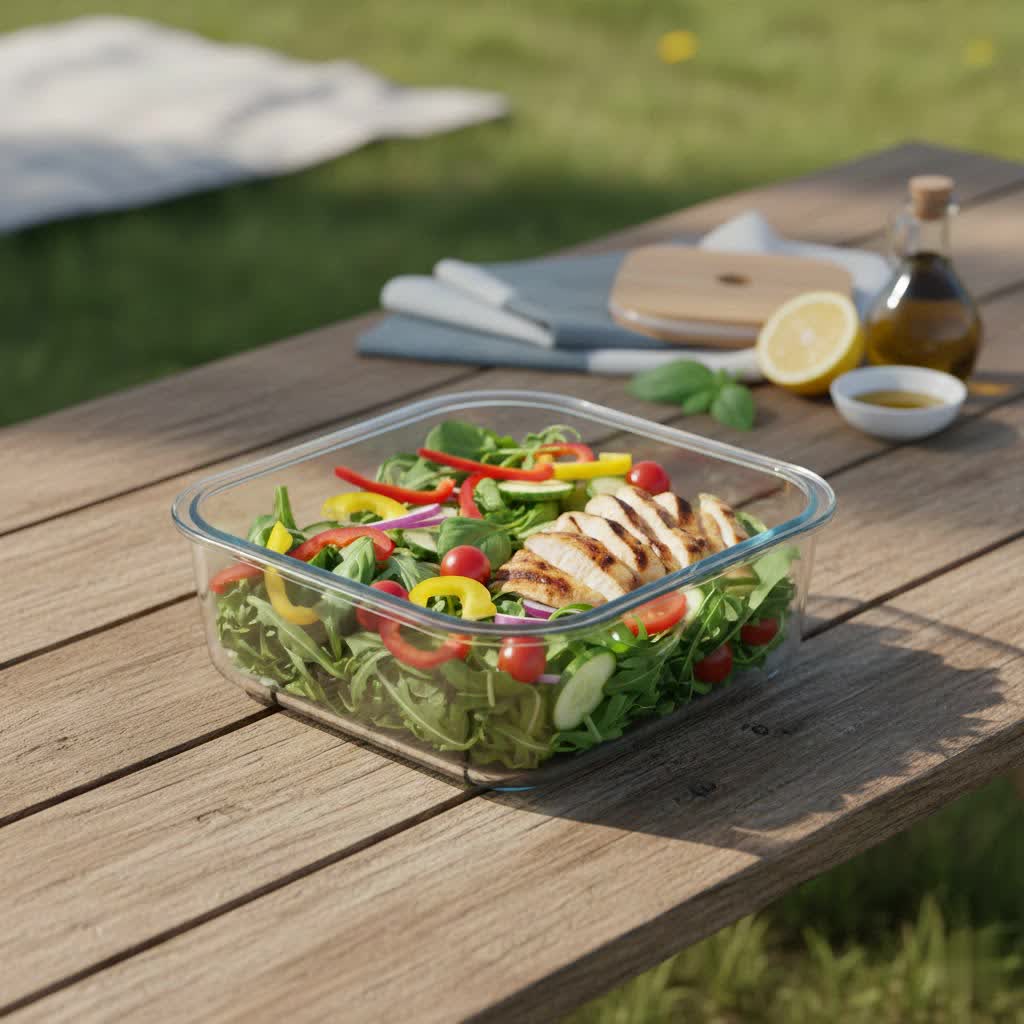
In a world that moves at an increasingly rapid pace, the comfort of a warm, homemade meal on the go often feels like a luxury. Yet, with the right tools, it’s a simple pleasure within reach. Insulated food containers have revolutionized how we enjoy our meals, ensuring that your hearty soup stays steaming hot or your flavorful pasta remains perfectly warm, no matter where your day takes you. Whether you’re packing lunch for work, school, a picnic, or an outdoor adventure, understanding how these essential food companions work and what to look for can significantly enhance your daily routine and culinary experience.
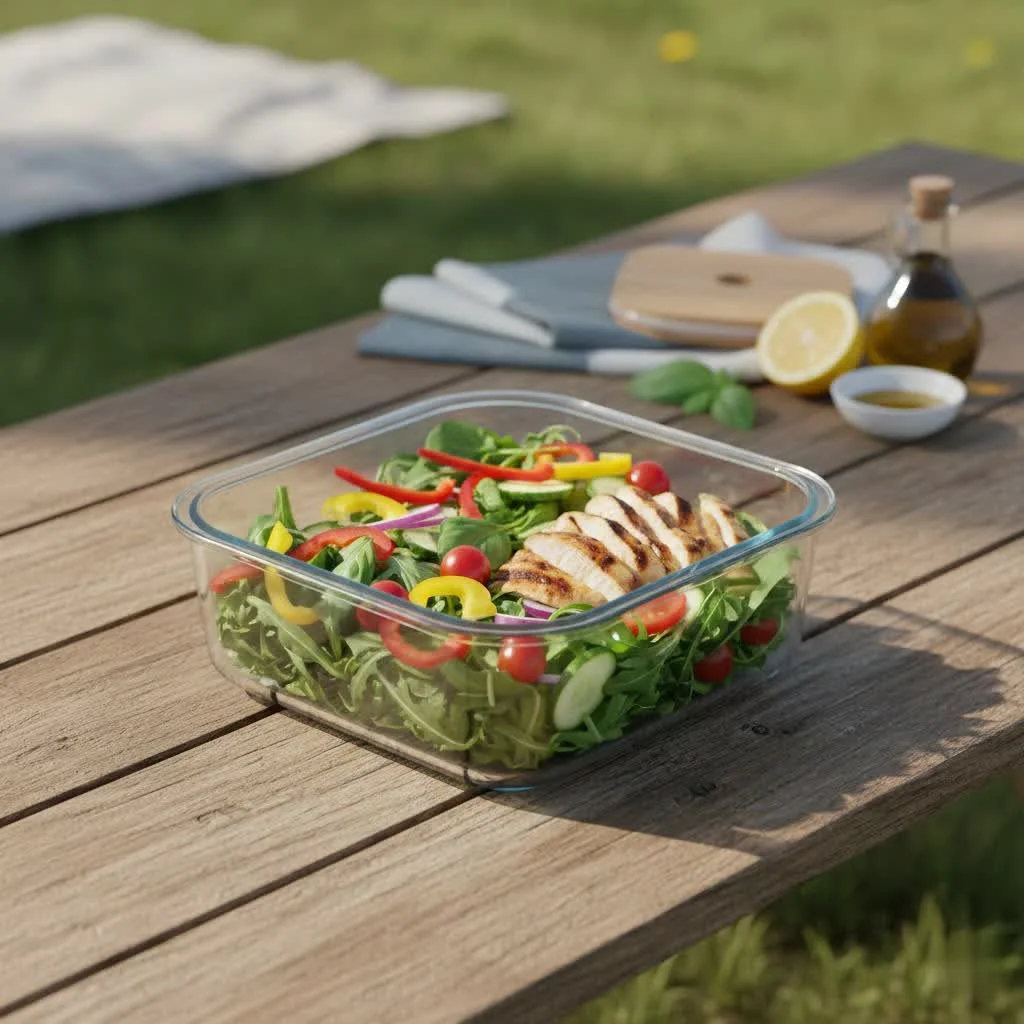
Insulated Food Containers: Your Go-To for Warm Meals On The Go
An insulated food container, often referred to as a food jar or thermal thermos, is a specialized vessel designed to maintain the temperature of its contents for extended periods. Unlike regular food storage, these containers employ advanced thermal technologies to keep hot foods hot and cold foods cold, ensuring your meal remains delicious and food-safe until you’re ready to eat. For explore our food reviews on this site.
The journey of keeping food warm on the go has evolved significantly. From simple wrapped bundles to elaborate multi-tiered lunchboxes, the need for portable, temperature-controlled meals has always been present. Modern insulated food containers represent the pinnacle of this evolution, leveraging scientific principles to deliver unparalleled performance.
While the market offers a variety of food containers, the most effective for keeping food hot primarily utilize stainless steel with vacuum insulation. These “food jars” or “thermoses” are specifically engineered for superior thermal retention, standing out from general-purpose plastic or glass containers which offer minimal insulation.
Key Factors to Consider When Choosing an Insulated Food Container
Selecting the perfect insulated food container involves more than just picking a pretty design. It’s about understanding the core features that contribute to its performance, safety, and convenience.
Material Matters: What Your Container is Made Of
The material of your insulated food container is paramount, influencing everything from heat retention to durability and food safety.
- Stainless Steel: The Gold Standard
For insulated hot food containers, stainless steel is widely considered the superior choice. It is exceptionally durable, resistant to corrosion, and won’t retain food odors or stains. Crucially, stainless steel forms the core of vacuum-insulated designs, which create an airless space between two walls to minimize heat transfer. This construction significantly extends the time your food stays hot. - Other Materials: Pros and Cons
While plastic and glass containers exist, they typically offer limited thermal insulation on their own. Some insulated products might incorporate plastic elements for lids or outer casings, or include glass inserts for serving. However, for direct heat retention, they do not compare to stainless steel vacuum flasks. Advanced polymers are emerging and can offer a balance of portability and affordability, particularly in double-walled designs. - Ensuring Food Safety with Materials
When choosing any food container, safety is critical. Opt for containers made from food-grade stainless steel, which is non-reactive and generally considered very safe. Always check for certifications indicating that the product is free from harmful chemicals like BPA, lead, and phthalates, especially if plastic components are present. - Durability and Ease of Cleaning
Stainless steel is renowned for its durability, able to withstand daily wear and tear. A good insulated container should also be easy to clean. Look for wide openings that allow for thorough hand washing. Some models are dishwasher-safe, but many manufacturers recommend hand washing to preserve the vacuum seal and exterior finish over time. Easily removable gaskets are also a plus for comprehensive cleaning.
Size, Shape, and Capacity: Finding Your Perfect Fit
|
Our Picks for the Best Food Container in 2026
As an Amazon Associate I earn from qualifying purchases.
|
||
| Num | Product | Action |
|---|---|---|
| 1 | Vtopmart 2Pack 1860ml/63oz Large Glass Storage Containers with Lids, Meal Prep Food Container Set with Snap Airtight Lid for Baking, Microwave, Oven, Leak Proof, for Freezer, Dishwasher, Grey |

|
| 2 | Rubbermaid Brilliance Food Storage Containers BPA Free Airtight Lids Ideal for Lunch Meal Prep & Leftovers Set of 5 (3.2 Cup) |
|
| 3 | Rubbermaid 60-Piece Food Storage Containers with Lids, Microwave and Dishwasher Safe, Red Color, Ideal for Meal Prep and Pantry Storage |
|
| 4 | Martha Stewart Shadowbrook 5-Piece Borosilicate Glass Storage Container Set – Airtight Locking Lids, 21.6 oz Meal Prep, Leftover & Lunch Containers, Microwave, Oven & Dishwasher Safe |
|
| 5 | Rubbermaid Brilliance BPA Free Airtight Food Storage Containers with Lids, Set of 4 (4.7 Cup) Ideal for Lunch, Meal Prep, and Leftovers |
|
| 6 | 50 Pack (100-Piece) 32 oz Meal Prep Containers Reusable with Easy Open Lids, Sturdy Leakproof Food Safe, Microwave Freezer Dishwasher Safe, To Go Take Out Plastic Food Storage Pans with Lids, Black |
|
| 7 | Vtopmart 5Pack 22oz Glass Storage Containers with Lids, Glass Meal Prep Food Container Sets with Snap Airtight Lids for Microwave, Oven, Freezer and Dishwasher, Grey |
|
| 8 | Glass Food Storage Jars with Airtight Lids – Wide Mouth Pantry Containers, Thick BPA-Free Glass, Moisture & Insect Resistant, Customizable Labels Included – 80 oz x 3 |
|
| 9 | 60 Sets (120-Piece) Deli Containers with Lids, 32/16/8 oz X 20 Set Each, Leak-Proof & BPA Free Airtight Takeout Plastic Food Storage Containers for Soup, Freezer/Microwave/Dishwasher Safe |
|
| 10 | 38oz Meal Prep Containers, Extra Large &Thick Food Storage Containers with Lids, Reusable Plastic,Disposable Bento Box,Stackable,Microwave/Freezer/Dishwasher Safe, BPA Free (30Pack) |
|
The ideal size and shape of your insulated food container depend heavily on your specific needs.
- Matching Capacity to Your Needs
Insulated food containers come in various capacities, from small jars for snacks or child-sized portions (e.g., 10-12 ounces) to larger containers for adult meals or shared dishes (e.g., 16-24 ounces or more). Consider how much food you typically pack. It’s also filling your container as much as possible helps to maximize heat retention, as less air space means less heat loss. - Optimizing for Space and Heat Retention
Research indicates that containers with smaller capacities and narrower diameters tend to keep food hotter for longer. While wide-mouth containers are easier to fill and eat from, a taller, narrower design can often outperform a shorter, wider one in terms of heat retention. - Specialized Containers
Some containers are better suited for specific food types. Tall, narrow jars with a secure lid are excellent for soups, stews, and liquids, minimizing spills and maximizing warmth. Wider-mouthed containers, sometimes with internal dividers, are ideal for solid foods like pasta, rice dishes, or chili, making them easier to access and eat.
Airtight Seal and Leak-Proof Performance
A secure, airtight, and leak-proof seal is non-negotiable for an insulated food container.
- The Importance of a Secure Seal
The lid is often where the most heat loss occurs. A robust, well-designed lid is essential for maintaining temperature. An airtight seal prevents heat from escaping (or entering), while a leak-proof design ensures your bag and other belongings stay clean and dry, no matter how much your container gets jostled. - How to Test for Leak-Proofing
Before trusting a new container, perform a simple test: fill it with water, seal the lid tightly, and then invert it or shake it gently over a sink. Any drips indicate a compromised seal. - Understanding Gaskets and Locking Mechanisms
Many high-quality containers feature silicone or rubber gaskets that create a tight seal. These gaskets should be thick, durable, and ideally, removable for easy cleaning. Secure locking mechanisms, such as screw-top lids or latches, further ensure the container remains sealed during transport.
Essential Features for Enhanced Convenience
Beyond the core functionalities, certain features can significantly enhance the user experience of your insulated food container.
- Microwave, Dishwasher, and Freezer Compatibility
While the insulated body itself is rarely microwave-safe due to its metal construction, some internal plastic or glass compartments might be. Always check manufacturer instructions. Many stainless steel containers are top-rack dishwasher safe, but hand washing is often recommended to prolong life and maintain insulation effectiveness. While they can keep cold food cold, insulated containers are generally not designed for freezer storage. - Built-in Utensils and Compartments
Some containers come with thoughtful additions like a foldable spoon or spork that nests neatly within the lid or a dedicated compartment. Others feature internal dividers or smaller containers, allowing you to pack different food items without them mixing, perfect for a complete meal. - Ergonomics and Portability
Consider the container’s design – is it easy to hold? Does it fit comfortably in your lunch bag or backpack? Textured exteriors can provide a better grip, while a compact yet spacious design optimizes portability without sacrificing capacity.
Comparing Popular Insulated Food Containers
The market offers a wide array of insulated food containers, each with its strengths. Brands like Stanley, Thermos, Zojirushi, Hydro Flask, Simple Modern, and LunchBots consistently receive high praise for their performance and durability.
A Detailed Comparison Table
| Feature | Stanley Classic Legendary Food Jar | Thermos Stainless King Food Jar | Zojirushi Stainless Steel Food Jar | Hydro Flask Food Jar | Simple Modern Provision Food Jar | LunchBots Insulated Container |
|---|---|---|---|---|---|---|
| Material | Stainless Steel | Stainless Steel | Stainless Steel | Stainless Steel | Stainless Steel | Stainless Steel |
| Insulation | Vacuum Insulated | Vacuum Insulated | Vacuum Insulated | Vacuum Insulated | Vacuum Insulated | Triple Insulation |
| Heat Retention | Excellent (7+ hours) | Excellent (5+ hours) | Excellent (6+ hours) | Good (5 hours) | Excellent (5+ hours) | Good (4+ hours) |
| Key Features | Wide mouth, built-in spork/lid cup | Integrated spoon, lid doubles as cup | Compact design, superior heat retention | Wide mouth, variety of colors | Dishwasher safe, durable | Kid-friendly design, easy-open lid |
| Pros | Extremely durable, vintage look, long retention | Reliable, good value, convenient spoon | Top-tier insulation, sleek | Stylish, good for liquids | Affordable, excellent performance | Designed for kids, easy to clean |
| Cons | Spork can be awkward, not always kid-friendly | Slightly narrower opening than some | Can be pricier, simple design | Moderate heat retention compared to others | Some models recommend handwash for longevity | Smaller capacity for adults |
| Typical Use | Hearty meals, outdoor adventures | Everyday lunches, adults & kids | Soups, stews, full meals | Day trips, lighter meals | Daily use, versatile | School lunches, snacks |
Note: Heat retention times are approximate and can vary based on food temperature, ambient conditions, and container preheating.
Maximizing Performance: Using and Caring for Your Insulated Food Container
To get the most out of your insulated food container, proper preparation and maintenance are key.
Preparing Your Container for Optimal Heat Retention
- The Power of Preheating
This is perhaps the most crucial step for keeping food hot. Before adding your hot meal, fill the container with boiling water, close the lid, and let it sit for 5-10 minutes. Empty the hot water just before adding your food. This preheats the inner walls, preventing them from instantly drawing heat away from your meal. - Filling Strategies for Lasting Warmth
Pack your food as hot as possible, ideally right off the stove. Fill the container completely to minimize air space, as air promotes heat loss. For foods like soup or stew, ensure they are piping hot.
Cleaning and Maintenance Tips
Proper care ensures longevity and hygiene for your insulated food container.
- Hand Washing vs. Dishwasher Safety
While some stainless steel containers are labeled “dishwasher-safe,” many experts recommend hand washing. The harsh detergents and high heat of dishwashers can, over time, degrade the vacuum seal or damage the exterior finish. Use warm, soapy water and a bottle brush for thorough cleaning. - Removing Odors and Stains
For stubborn odors, a mixture of baking soda and warm water left to soak can work wonders. For stains, a paste of baking soda and a little water, scrubbed gently, can often help. Always rinse thoroughly. - When to Replace Your Container
If your container suddenly stops retaining heat, feels warm to the touch on the outside when filled with hot food, or if the lid no longer seals properly, it’s likely time for a replacement. A compromised vacuum seal or a damaged gasket will significantly diminish its insulating capabilities.
Where to Find Your Ideal Insulated Food Container
Insulated food containers are widely available, both online and in physical stores.
- Online Retailers and Brand Websites
Major online platforms like Amazon, Walmart, and Target offer extensive selections from various brands. Many individual brands also sell directly through their websites, often providing exclusive deals or wider product ranges. Online shopping allows for easy comparison of features, prices, and user reviews. - Brick-and-Mortar Stores
Department stores, kitchenware shops, and outdoor recreation stores often stock a good selection of insulated food containers. This allows you to physically inspect the product, check its weight, feel the quality, and assess its size before purchasing. - Smart Shopping: What to Look For
When shopping, always check product descriptions for key information: material, capacity, advertised heat retention times, care instructions, and leak-proof claims. Reading recent customer reviews can provide real-world insights into a product’s performance and durability.
Buying Guide: Choosing the Right Insulated Food Container for Your Lifestyle
Making the right choice comes down to aligning the container’s features with your individual needs and habits.
Defining Your Needs
- Daily Commute, School Lunches, Outdoor Adventures
Your primary use case will guide your selection. For a daily commute, compact and leak-proof is essential. For kids’ school lunches, ease of opening and durability are top priorities. For outdoor activities, maximum heat retention and rugged construction are key. - Quantity and Type of Food
Do you typically pack soup, pasta, rice, or a mix of items? This will influence the ideal capacity and mouth-opening size. If you need to separate ingredients, look for containers with internal compartments. - Prioritizing Features
Decide which features are most important to you: ultimate heat retention, built-in cutlery, easy cleaning, specific aesthetic, or extreme durability.
Budgeting for Quality
- Understanding Price Points
Insulated food containers range widely in price, from budget-friendly options to premium models. Generally, higher-priced containers often feature superior insulation technology, more durable materials, and additional convenience features. - Investing in Durability
Consider your purchase an investment. A higher-quality container that lasts for years may be more cost-effective than repeatedly replacing cheaper alternatives. Focus on models with a good reputation for durability and performance. - Leveraging User Reviews and Expert Opinions
Don’t underestimate the power of reviews. Platforms like Serious Eats and The Spruce Eats offer expert-tested recommendations, while customer reviews on retail sites provide practical insights from everyday users.
> “The best insulated food container is the one that fits your lifestyle, keeps your food hot reliably, and is easy to use and clean. Always prioritize function and safety over fleeting trends.” – Chef Anya Sharma, Culinary Innovator & Food Preservation Expert
Conclusion
An insulated food container for hot food is more than just a convenience; it’s an enabler of healthier eating habits and a warm comfort in a busy day. By understanding the critical factors—from the unparalleled efficiency of stainless steel vacuum insulation to the importance of a secure, leak-proof seal and careful maintenance—you can confidently choose a container that consistently delivers the warmth and freshness of a home-cooked meal. Invest wisely, and enjoy the satisfaction of a perfectly hot lunch, anytime, anywhere.
What warm meal will you pack in your insulated food container next?
Frequently Asked Questions
How long can an insulated food container keep food hot?
Most high-quality insulated food containers can keep food hot for 5 to 7 hours, with some premium models extending this to 10-12 hours, especially when properly preheated. Factors like the initial food temperature and ambient conditions can affect retention.
Is it safe to put hot food directly into an insulated container?
Yes, it is safe to put hot food directly into insulated containers, particularly those made from food-grade stainless steel. In fact, for optimal heat retention, it’s recommended to fill the container with food that is as hot as possible, ideally after preheating the container itself with boiling water.
Can I put my insulated food container in the microwave or dishwasher?
Insulated food containers, especially those made of metal like stainless steel, should never be put in the microwave. While some components or entire containers might be labeled “dishwasher-safe,” many manufacturers recommend hand washing to best preserve the container’s vacuum seal and exterior finish, ensuring its longevity and performance.
What’s the best way to clean my insulated food container?
The best way to clean your insulated food container is by hand washing it with warm, soapy water. Use a bottle brush for thorough cleaning, especially in hard-to-reach areas. Make sure to remove and clean any gaskets separately to prevent mold or odor buildup, and allow all parts to dry completely before reassembling.
What material is best for an insulated food container?
Stainless steel is widely considered the best material for insulated food containers, particularly when combined with vacuum insulation technology. It is durable, does not retain odors or flavors, is easy to clean, and provides superior thermal retention compared to other materials.
Pet products vetted on real animals
Free PDF — protein DMB calculator + 18 dog foods rated.
