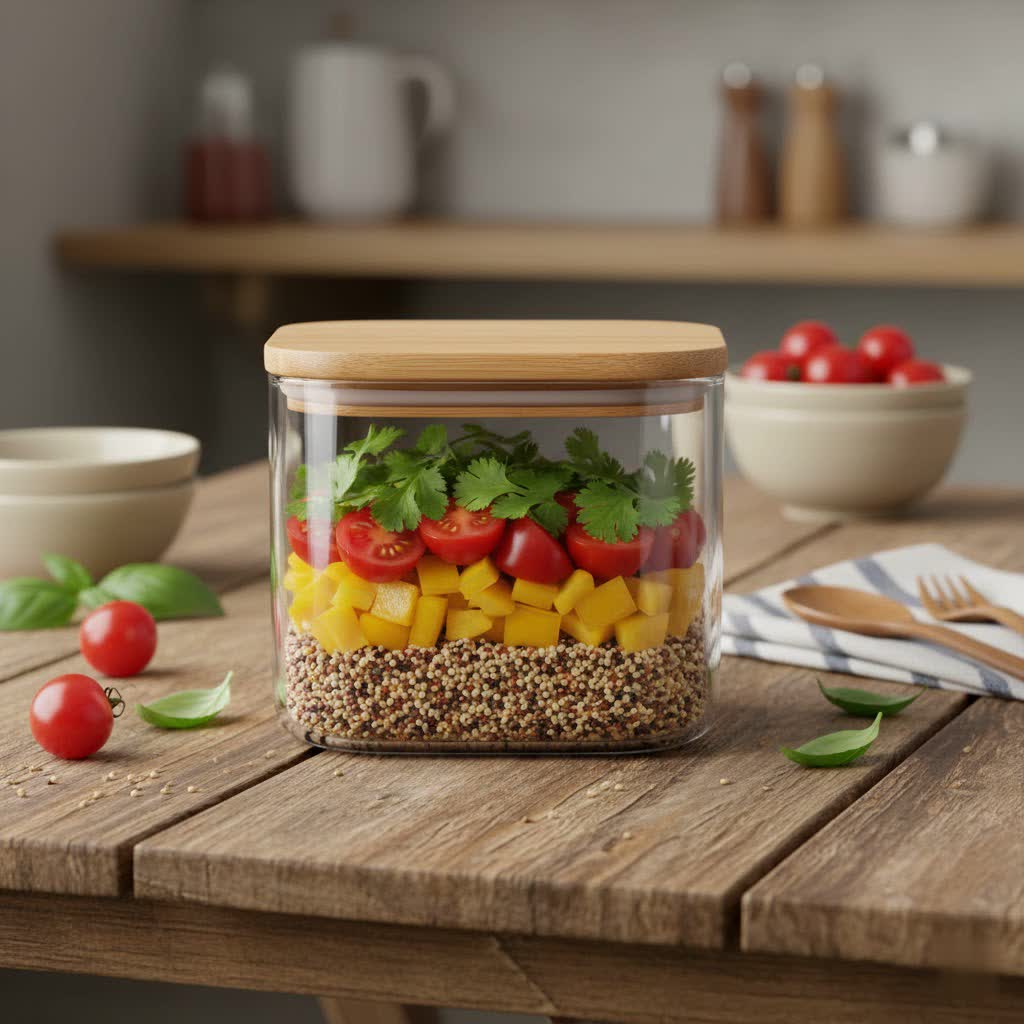
Step into a world where your pantry is no longer a chaotic jumble but a well-organized haven. Imagine opening your pantry doors to find every ingredient perfectly visible, fresh, and within easy reach. This transformation is not just a dream; it’s an achievable reality with the right food storage containers. For over a decade, I’ve explored countless options, from common brands to unique handcrafted solutions, always seeking the most effective ways to preserve food safely and conveniently. This guide distills that experience, offering insights to help you choose the best pantry storage containers to streamline your kitchen and elevate your cooking.
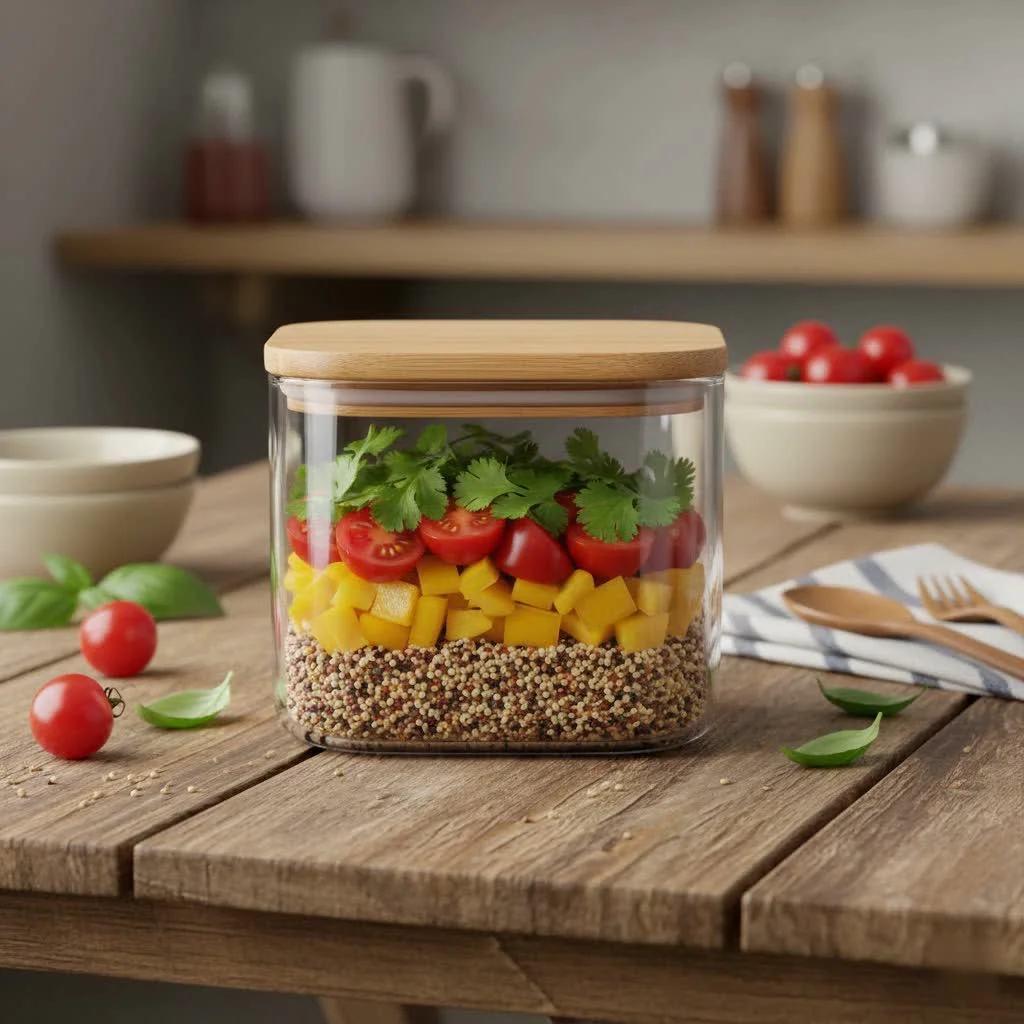
Pantry Storage Containers: Everything You Need to Know
Pantry storage containers are more than just vessels; they are essential tools designed to organize, preserve, and enhance the longevity of your dry goods and edibles. From grains and pasta to snacks and spices, these containers safeguard your food from moisture, air, and pests, keeping it fresh for extended periods.
The evolution of food containers reflects a continuous pursuit of better preservation and efficiency. Early methods, like ceramic crocks and glass jars, focused on creating barriers against spoilage. Today, modern food container designs leverage advanced materials and sealing technologies, offering solutions that are not only highly effective but also aesthetically pleasing and tailored to diverse needs.
Various types of pantry storage containers populate the market, primarily distinguished by their material, shape, and sealing mechanism. Common types include those made from glass, various plastics, stainless steel, and even ceramic. Each material offers distinct advantages suited to different storage needs and preferences, creating a versatile landscape for pantry organization.
Factors to Consider When Buying Pantry Storage Containers
Choosing the right pantry storage containers requires a thoughtful approach. Beyond just looking good, the best containers offer functionality that aligns with your specific kitchen habits and storage environment. Here are the critical factors to evaluate before making your selection.
Material of Pantry Storage Containers
The material of a food container significantly impacts its performance, durability, and safety. Understanding the pros and cons of each common type is crucial for making an informed decision.
- Plastic (BPA-free):
- Advantages: Lightweight, shatter-resistant, affordable, and comes in a vast array of sizes and shapes. Many modern plastics like Tritan, polyethylene (PE), polypropylene (PP), and polyethylene terephthalate (PET) are BPA-free and considered safe for food storage. They are often stackable and easy to handle, especially for items on higher shelves or for households with children.
- Disadvantages: Can absorb strong odors and stains over time, especially from acidic or colored foods like tomato sauce or turmeric. Tiny scratches can accumulate, potentially harboring bacteria if not cleaned thoroughly. Some plastics may warp in high heat, so check for microwave and dishwasher safety.
- Glass:
- Advantages: Non-porous, meaning it won’t absorb odors, stains, or chemicals, making it excellent for maintaining food purity and flavor. It offers superior visibility, allowing you to quickly identify contents. Glass containers are often dishwasher, microwave, and oven safe (without lids), and are considered a premium, health-conscious choice.
- Disadvantages: Heavier and more fragile than plastic. A large glass container filled with flour can be cumbersome and prone to breaking if dropped. Typically more expensive.
- Stainless Steel:
- Advantages: Exceptionally durable, resistant to dents, warping, and staining. It’s non-reactive, safe for all food types, and excellent at regulating temperatures, making it suitable for light-sensitive ingredients like coffee or spices. Many feature tight seals to maintain humidity levels.
- Disadvantages: Opaque, so you can’t see the contents at a glance. Can be more expensive than plastic.
- Ceramic:
- Advantages: Aesthetically pleasing, often used for countertop display. Similar to glass, it won’t absorb odors or stains.
- Disadvantages: Heavy, fragile, and generally comes in fewer sizes.
For health safety, prioritize BPA-free plastic or opt for glass and stainless steel, which are inherently non-leaching. Glass and stainless steel are generally the easiest to keep pristine due to their non-porous surfaces.
Size and Shape of Pantry Storage Containers
|
Our Picks for the Best Food Container in 2026
As an Amazon Associate I earn from qualifying purchases.
|
||
| Num | Product | Action |
|---|---|---|
| 1 | Rubbermaid Brilliance BPA Free Airtight Food Storage Containers with Lids, Set of 4 (4.7 Cup) Ideal for Lunch, Meal Prep, and Leftovers |

|
| 2 | 38oz Meal Prep Containers, Extra Large &Thick Food Storage Containers with Lids, Reusable Plastic,Disposable Bento Box,Stackable,Microwave/Freezer/Dishwasher Safe, BPA Free (30Pack) |
|
| 3 | Glass Food Storage Jars with Airtight Lids – Wide Mouth Pantry Containers, Thick BPA-Free Glass, Moisture & Insect Resistant, Customizable Labels Included – 80 oz x 3 |
|
| 4 | Martha Stewart Shadowbrook 5-Piece Borosilicate Glass Storage Container Set – Airtight Locking Lids, 21.6 oz Meal Prep, Leftover & Lunch Containers, Microwave, Oven & Dishwasher Safe |
|
| 5 | 60 Sets (120-Piece) Deli Containers with Lids, 32/16/8 oz X 20 Set Each, Leak-Proof & BPA Free Airtight Takeout Plastic Food Storage Containers for Soup, Freezer/Microwave/Dishwasher Safe |
|
| 6 | Rubbermaid 60-Piece Food Storage Containers with Lids, Microwave and Dishwasher Safe, Red Color, Ideal for Meal Prep and Pantry Storage |
|
| 7 | Rubbermaid Brilliance Food Storage Containers BPA Free Airtight Lids Ideal for Lunch Meal Prep & Leftovers Set of 5 (3.2 Cup) |
|
| 8 | Vtopmart 5Pack 22oz Glass Storage Containers with Lids, Glass Meal Prep Food Container Sets with Snap Airtight Lids for Microwave, Oven, Freezer and Dishwasher, Grey |
|
| 9 | 50 Pack (100-Piece) 32 oz Meal Prep Containers Reusable with Easy Open Lids, Sturdy Leakproof Food Safe, Microwave Freezer Dishwasher Safe, To Go Take Out Plastic Food Storage Pans with Lids, Black |
|
| 10 | Vtopmart 2Pack 1860ml/63oz Large Glass Storage Containers with Lids, Meal Prep Food Container Set with Snap Airtight Lid for Baking, Microwave, Oven, Leak Proof, for Freezer, Dishwasher, Grey |
|
The effectiveness of your pantry organization hinges significantly on selecting the right sizes and shapes of containers. It’s not just about fitting food; it’s about maximizing your storage footprint and ensuring accessibility.
Start by measuring your pantry shelves—height, depth, and width—before purchasing. This prevents the frustration of containers that don’t fit or can’t be pulled out easily. Remember to account for door clearance if you have cabinet doors.
Match container capacity to your specific needs. Do you buy flour in 5-pound bags or smaller quantities? Do you frequently go through large boxes of cereal?
- Flour, Sugar: 4-6 quarts often accommodate a 5-lb bag.
- Rice, Pasta: 2-4 quarts, depending on family consumption.
- Cereal: 3-4 quarts for most family-sized boxes.
- Spices, Baking Powder: Smaller 1-2 cup containers are ideal.
The shape of your containers dictates space efficiency.
- Square and rectangular containers are champions of space-saving, fitting snugly against walls and each other without wasted gaps. This allows you to store more in the same area.
- Round containers are excellent for items you frequently pour, like oats or grains, as their curved sides prevent ingredients from getting stuck. However, they are less space-efficient due to the gaps they create.
- Tall, skinny containers are perfect for long items like spaghetti or breadsticks, utilizing vertical space effectively.
- Short, wide containers are great for snacks or cereal on higher shelves, offering better visibility from below.
Many containers are designed to be stackable, a non-negotiable feature for maximizing vertical space in any pantry. Look for flat lids and straight sides that create stable, secure stacks. Modular systems, often from the same brand, guarantee seamless stackability.
Airtightness and Spill-Proof Capabilities
The primary purpose of a pantry storage container is to keep food fresh and protected. This is where airtight seals become paramount. A reliable seal prevents air, moisture, and pests from compromising your ingredients, which is crucial for extending shelf life and preventing staleness.
There are several common types of airtight seals:
- Silicone Gaskets: These flexible rings, often found in glass and some plastic containers, compress when the lid is closed, creating a superior barrier against air and moisture. They are highly effective and resist odors and stains.
- Snap-Lock Lids: These feature multiple locking points around the perimeter that press the lid down firmly, creating a tight seal. They are generally durable and easy to confirm closure.
- Button-Sealed Lids: Often seen in vacuum-seal systems, these lids have a central button that, when pressed, creates a strong vacuum seal. They are user-friendly, even with sticky hands.
- Twist-On Lids: Similar to mason jars, these lids screw down tight, often with a silicone gasket, to compress and seal.
To test a container’s seal, fill it halfway with water, close the lid, and flip it upside down for 30 seconds. Any leaks indicate a compromised seal. Alternatively, after sealing, press down on the lid; if it resists and slowly springs back, the seal is good. Regularly inspect silicone gaskets for wear or cracks and replace them as needed to maintain optimal freshness.
Additional Features
Beyond the basics, several additional features can enhance the functionality and convenience of your pantry storage containers.
- Temperature Versatility: Many containers are designed to be microwave-safe, dishwasher-safe, and freezer-safe. This versatility allows for reheating leftovers directly, effortless cleaning, and long-term storage of perishable goods. Always check product specifications, as not all materials or lid types are suitable for all temperatures.
- Visibility: Clear containers (glass or transparent plastic) allow you to see contents at a glance, preventing duplicate purchases and ensuring you use what you have before it expires. Opaque containers, typically stainless steel, are beneficial for light-sensitive items like certain spices or oils.
- Ergonomics: Look for sturdy handles on larger containers, which make them easier to pull from shelves. Wide openings are invaluable for scooping flour, sugar, or grains without making a mess. Some specialty containers even include built-in scoops or dividers for organized storage of different items within a single unit.
Comparing Popular Pantry Storage Container Types
Choosing between the various container types often comes down to balancing durability, visibility, ease of cleaning, and budget. Here’s a brief comparison to help you weigh your options:
Detailed Comparison Table
| Feature | Plastic (BPA-free) | Glass | Stainless Steel | Acrylic |
|---|---|---|---|---|
| Durability | Lightweight, shatter-resistant; may scratch/warp | Heavy, fragile; resistant to stains/odors | Highly durable, dent/warp/stain-resistant | Shatter-resistant, durable; can scratch |
| Visibility | Clear/Transparent | Clear | Opaque | Clear/Transparent |
| Airtightness | Good, especially with silicone gaskets | Excellent, especially with silicone gaskets | Excellent | Good, with silicone seals |
| Health Safety | BPA-free (PE, PP, PET) options are safest | Non-leaching, non-porous | Non-leaching, non-porous | BPA-free, resists odors/stains |
| Cleaning Ease | Dishwasher-safe (check type), can stain/absorb odors | Dishwasher-safe, resists stains/odors | Dishwasher-safe, resists stains/odors | Dishwasher-safe (check instructions), resists odors/stains |
| Versatility | Microwave/freezer safe (check type) | Microwave/oven/freezer safe (container only) | Freezer safe; regulates temperature | Resists odor/grease/stains |
| Ideal Use | Snacks, cereals, frequent access, kids’ items | Baking staples, spices, long-term storage, display | Bulk dry goods, light-sensitive items, countertops | Dry food items, pantry/cabinets, easy visibility |
| Cost | Affordable | Mid-range to high-end | Mid-range to high-end | Mid-range |
Ultimately, a mix-and-match approach is often the most practical. Use lightweight plastic for frequently accessed snacks and children’s items, elegant glass for baking staples and spices on display, and robust stainless steel for bulk items or ingredients sensitive to light.
How to Use and Maintain Pantry Storage Containers Correctly
Proper usage and maintenance are key to maximizing the lifespan and effectiveness of your pantry storage containers. This ensures your food remains fresh and your containers stay hygienic.
Cleaning Pantry Storage Containers
Regular cleaning prevents residue buildup, odor absorption, and bacterial growth.
- Hand Washing: For containers with intricate lids, silicone gaskets, or those not specified as dishwasher-safe, hand washing with warm, soapy water is best. Pay special attention to grooves and seals, as these can trap food particles.
- Dishwasher Use: Many plastic, glass, and stainless steel containers are dishwasher-safe. Place plastic containers on the top rack to prevent warping from intense heat. Always remove and clean silicone gaskets separately to ensure thorough sanitization.
- Removing Odors and Stains: For persistent odors or stains (common with plastic and some colored foods), a paste of baking soda and water can be effective. Apply the paste, let it sit for a few hours or overnight, then scrub and rinse. Lemon juice or vinegar can also help neutralize odors.
Storing Pantry Storage Containers
When not in use, proper storage of your containers helps maintain their integrity and saves space.
- Stacking: Utilize their stackable design to store containers neatly within each other or on shelves, with lids often nesting separately for compact storage.
- Environment: Store containers in a cool, dry place away from direct sunlight and extreme temperatures, which can degrade materials, especially plastic and silicone seals.
- When to Replace: Even the best containers have a lifespan. Replace containers if you notice:
- Cracks, chips, or warping that compromise the seal or structural integrity.
- Worn-out or stiff gaskets that no longer create an airtight seal.
- Persistent odors or deep stains that cannot be removed, indicating potential material degradation.
- Any signs of mold or mildew that cannot be thoroughly cleaned.
Where to Buy Pantry Storage Containers
Finding the perfect pantry storage containers is easier than ever with a wide array of options available both in physical stores and online.
- Reputable Stores: Many home goods stores, kitchen supply retailers, and department stores carry a selection of pantry containers. Shopping in person allows you to physically inspect the materials, test the lid mechanisms, and assess the feel and size of the containers.
- Online Shopping: Online retailers offer an unparalleled selection, often at competitive prices, with detailed product descriptions and user reviews. Major e-commerce platforms and specialized organizational websites are excellent sources. When buying online, pay close attention to dimensions, material specifications, and customer feedback regarding airtightness and durability.
- Considerations When Buying:
- Read Reviews: Customer reviews provide invaluable insights into real-world performance, including common issues or standout features.
- Check Return Policies: Especially for online purchases, ensure a flexible return policy in case the containers don’t meet your expectations or fit your space.
- Look for Sets: Starter sets often provide a variety of sizes at a better value, helping you begin your pantry organization journey efficiently.
Buying Guide: Choosing the Right Pantry Storage Containers for Your Needs
Navigating the vast selection of pantry storage containers can feel overwhelming. By focusing on your unique needs and preferences, you can make a choice that truly enhances your kitchen.
Determine Your Needs
Before you buy, ask yourself key questions about how you’ll use the containers:
- What will you store? Are you looking to store large bags of flour and sugar, delicate spices, everyday cereals, or frequently accessed snacks? This dictates required capacities and features.
- What capacity do you need? Consider your shopping habits. If you buy in bulk, larger containers are essential. For smaller, frequently replenished items, smaller sizes will suffice.
- What features are most important? Do you prioritize clear visibility, stackability, microwave-safe functionality, or maximum airtightness for sensitive ingredients? Understanding your priorities will narrow down options.
Determine Your Budget
Pantry storage containers range widely in price, from budget-friendly plastic sets to premium glass or stainless steel options.
- Price Range: Affordable plastic sets can start from under $30, while high-end glass or stainless steel sets can run into the hundreds.
- Investment Strategy: Consider investing more in containers for staple ingredients you use frequently or those most prone to spoilage. For less critical items, more economical options may be perfectly suitable.
Consult User Reviews
User reviews are a goldmine of practical information, offering real-world perspectives beyond product descriptions.
- Read Broadly: Look at reviews across multiple platforms to get a comprehensive understanding of a product’s strengths and weaknesses.
- Seek Specific Feedback: Pay attention to comments regarding airtightness, durability (especially how they hold up to drops or repeated washing), and how well they integrate into different pantry setups.
“A well-organized pantry is more than just visually pleasing; it’s a testament to mindful living and culinary efficiency. The right containers are silent partners in this journey, extending freshness and simplifying your daily routine.”
Conclusion
Transforming your pantry with the right food storage containers is an investment in both efficiency and peace of mind. By carefully considering materials, sizes, shapes, and sealing mechanisms, you can create an organized, fresh, and visually appealing storage space. This approach not only extends the life of your food but also streamlines meal preparation and reduces waste, allowing you to truly enjoy your cooking experience. Embrace the power of proper pantry organization and watch your kitchen become a more functional and inspiring place. What single change will you make to your pantry organization today?
Frequently Asked Questions
What is the safest plastic for food storage?
The safest plastics for food storage are typically BPA-free versions of polyethylene (PE), polypropylene (PP), and polyethylene terephthalate (PET). These materials are known for their durability, resistance to leaching chemicals, and often their microwave-safe properties, providing a reliable option for pantry organization.
Can food last longer when it’s put in storage containers?
Yes, food can last significantly longer when stored in quality airtight containers. These containers create a secure seal that prevents exposure to air, moisture, and humidity, which are primary causes of staleness, spoilage, and the growth of mold or pests, thereby preserving freshness and extending shelf life.
Is there a significant advantage to using square food storage containers over other shapes?
Absolutely. Square and rectangular food storage containers are highly advantageous for maximizing pantry space. Their uniform shapes fit together seamlessly, eliminating wasted gaps often created by round containers and allowing for more efficient stacking and a tidier, more organized appearance.
How do I choose the right container for bulk items, such as flour or grains?
When selecting containers for bulk items like flour or grains, opt for larger capacities that hold at least 25% more than your typical purchase to prevent overflows. Prioritize sturdy construction to handle the weight, wide openings for easy scooping, and robust airtight seals to ensure long-term freshness and protection from pests.
What factors should I consider when choosing sizes for pantry containers?
Consider your consumption rate for each food, measuring your pantry shelves for height and depth clearance. Match container sizes to your shopping habits – larger for bulk purchases, smaller for frequently used items like spices. Don’t forget to account for the weight of full containers to ensure they are manageable.
Pet products vetted on real animals
Free PDF — protein DMB calculator + 18 dog foods rated.
