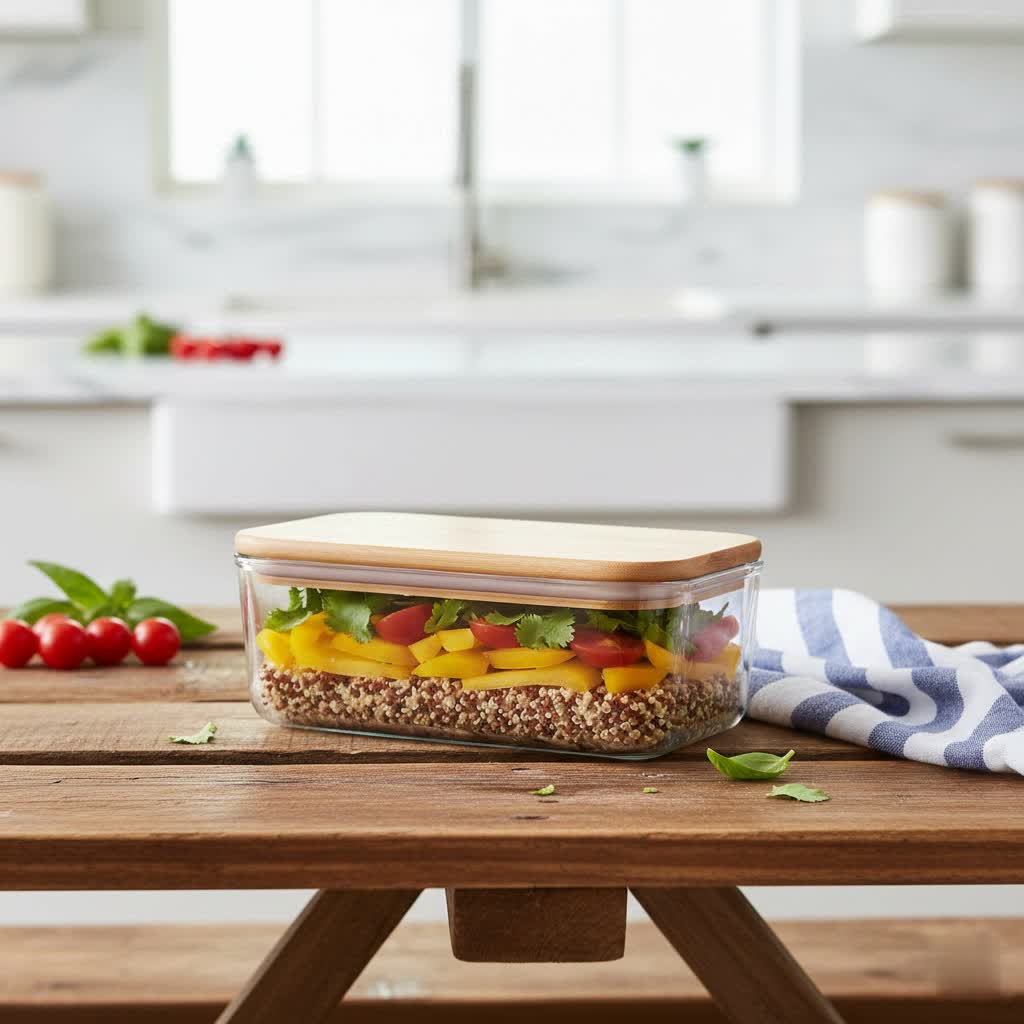
Have you ever found yourself with stale, clumpy rice, wondering why your pantry staple isn’t living up to its potential? The secret often lies not in the rice itself, but in how it’s stored. A high-quality rice container is more than just a box; it’s a guardian for your grains, protecting freshness, flavor, and warding off unwanted pantry guests. In a world where food waste is a growing concern, investing in the right storage solution for your rice can make a significant difference, ensuring every grain remains as perfect as the day you brought it home. This comprehensive guide will walk you through everything you need to know about choosing, using, and maintaining the ideal rice container for your household.
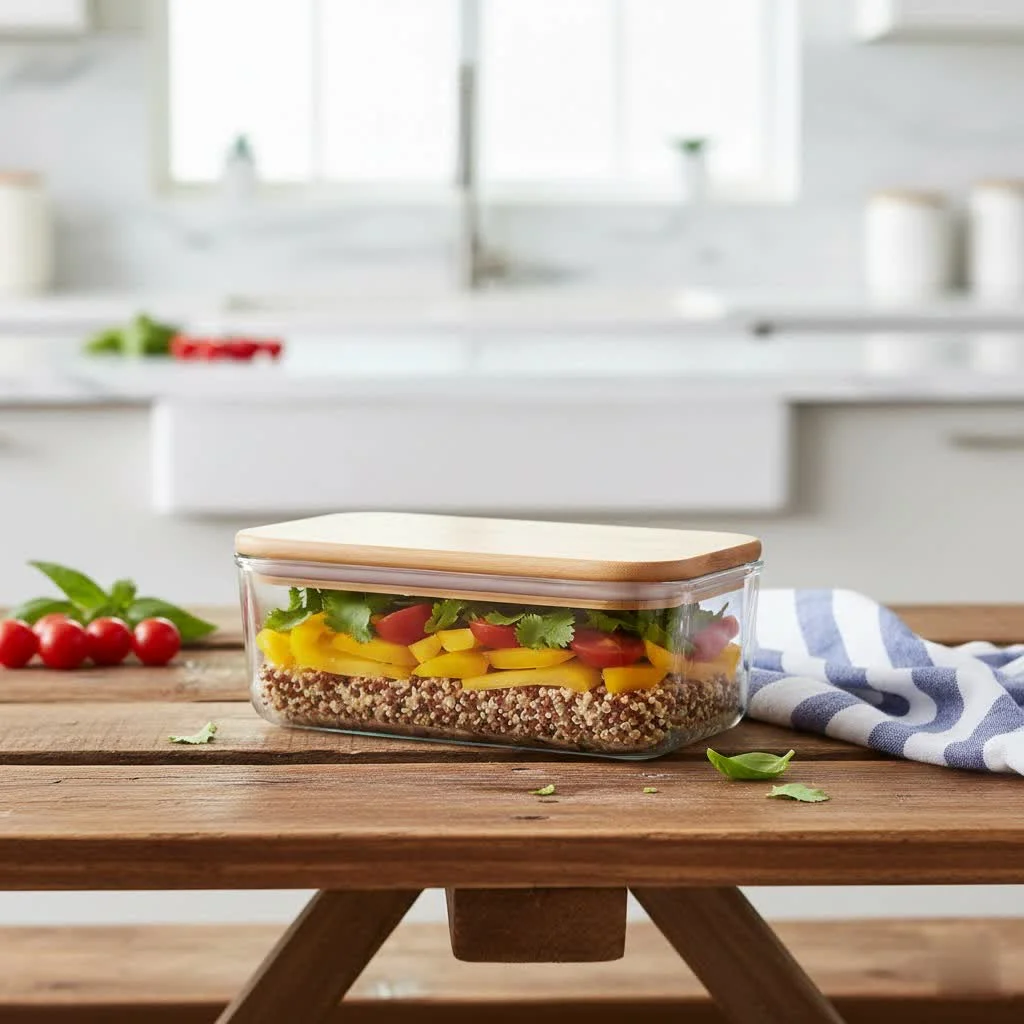
Rice Containers: Everything You Need to Know
A rice container is any vessel specifically designed to store dry rice, aiming to preserve its quality over time. From simple bags to sophisticated dispensers, their primary purpose is to shield rice from external factors like moisture, pests, and air exposure, which can lead to spoilage or degradation.
Historically, rice was stored in woven baskets, ceramic jars, or even large wooden chests in many cultures. These traditional methods prioritized natural ventilation and protection from pests in climates where rice was a staple. With the advent of modern materials and food science, the evolution of rice containers has focused on enhanced airtightness, durability, and convenience. Today, options range from basic plastic bins to elegant glass jars and advanced automatic dispensers, each offering unique benefits for the contemporary kitchen.
Common types of rice containers available today include:
- Airtight Plastic Bins: Popular for their affordability, durability, and lightweight nature. Often feature silicone seals and locking lids.
- Glass Jars: Valued for their aesthetic appeal, transparency, and inertness (they don’t leach chemicals). Typically come with rubber-sealed lids.
- Stainless Steel Canisters: Known for their robust durability, resistance to odors and stains, and sleek appearance. Provide excellent protection from light.
- Rice Dispensers: Often made of plastic, these offer convenient one-touch dispensing with built-in measuring cups and can include features like insect-repellent compartments.
- Ceramic Crocks: A traditional choice, offering good insulation and a decorative touch. Some feature breathable designs for certain types of rice.
Factors to Consider When Buying a Rice Container
Choosing the right rice container involves weighing several key factors that impact both the preservation of your rice and your convenience.
Material of the Rice Container
The material of your rice container plays a crucial role in its performance and safety.
- Plastic:
- Pros: Lightweight, durable, often inexpensive, comes in many shapes and sizes, often stackable. Many modern plastic containers are designed for efficient pantry use and come with features like rolling wheels for larger capacities.
- Cons: Can sometimes retain odors or stains, may degrade over time, and some older plastics contain BPA (though many are now BPA-free).
- Safety: Always look for containers labeled “BPA-free” and “food-grade” plastic to ensure they are safe for food storage.
- Cleaning: Generally easy to clean, many are dishwasher-safe.
- Glass:
- Pros: Non-porous, doesn’t absorb odors or stains, inert (won’t leach chemicals into food), transparent for easy viewing, aesthetically pleasing. Excellent for long-term storage and maintaining flavor integrity.
- Cons: Fragile, heavier, often more expensive.
- Safety: Generally considered one of the safest materials for food storage.
- Cleaning: Very easy to clean, highly resistant to staining, typically dishwasher-safe.
- Stainless Steel:
- Pros: Extremely durable, resistant to rust, corrosion, odors, and stains. Provides excellent protection from light, which can help preserve nutrients in brown rice. Sleek, modern look.
- Cons: Opaque (cannot see contents), can be more expensive.
- Safety: Food-grade stainless steel is a very safe option for food storage.
- Cleaning: Easy to clean and sanitize, typically dishwasher-safe.
- Ceramic/Wood (e.g., Paulownia boxes):
- Pros: Traditional, aesthetically unique. Paulownia wood, for instance, offers natural breathability and insect-repellent properties, which can be beneficial for certain freshly milled or Japanese rice varieties that need to “breathe” to maintain flavor.
- Cons: Can be heavy and fragile (ceramic), may require specific care (wood), not always airtight for all rice types.
- Safety: Generally safe, but ensure ceramic is food-safe glazed and wood is untreated or food-grade finished.
- Cleaning: Varies by material; wood may require handwashing and specific drying.
For general safety, prioritizing BPA-free plastic, food-grade stainless steel, or glass is recommended. These materials are durable and easy to sanitize, ensuring your rice remains free from contaminants.
Size and Shape of the Rice Container
|
Our Picks for the Best Food Container in 2026
As an Amazon Associate I earn from qualifying purchases.
|
||
| Num | Product | Action |
|---|---|---|
| 1 | Rubbermaid Brilliance BPA Free Airtight Food Storage Containers with Lids, Set of 4 (4.7 Cup) Ideal for Lunch, Meal Prep, and Leftovers |

|
| 2 | Rubbermaid Brilliance Food Storage Containers BPA Free Airtight Lids Ideal for Lunch Meal Prep & Leftovers Set of 5 (3.2 Cup) |
|
| 3 | 60 Sets (120-Piece) Deli Containers with Lids, 32/16/8 oz X 20 Set Each, Leak-Proof & BPA Free Airtight Takeout Plastic Food Storage Containers for Soup, Freezer/Microwave/Dishwasher Safe |
|
| 4 | Rubbermaid 60-Piece Food Storage Containers with Lids, Microwave and Dishwasher Safe, Red Color, Ideal for Meal Prep and Pantry Storage |
|
| 5 | Martha Stewart Shadowbrook 5-Piece Borosilicate Glass Storage Container Set – Airtight Locking Lids, 21.6 oz Meal Prep, Leftover & Lunch Containers, Microwave, Oven & Dishwasher Safe |
|
| 6 | 38oz Meal Prep Containers, Extra Large &Thick Food Storage Containers with Lids, Reusable Plastic,Disposable Bento Box,Stackable,Microwave/Freezer/Dishwasher Safe, BPA Free (30Pack) |
|
| 7 | Vtopmart 2Pack 1860ml/63oz Large Glass Storage Containers with Lids, Meal Prep Food Container Set with Snap Airtight Lid for Baking, Microwave, Oven, Leak Proof, for Freezer, Dishwasher, Grey |
|
| 8 | Glass Food Storage Jars with Airtight Lids – Wide Mouth Pantry Containers, Thick BPA-Free Glass, Moisture & Insect Resistant, Customizable Labels Included – 80 oz x 3 |
|
| 9 | Vtopmart 5Pack 22oz Glass Storage Containers with Lids, Glass Meal Prep Food Container Sets with Snap Airtight Lids for Microwave, Oven, Freezer and Dishwasher, Grey |
|
| 10 | 50 Pack (100-Piece) 32 oz Meal Prep Containers Reusable with Easy Open Lids, Sturdy Leakproof Food Safe, Microwave Freezer Dishwasher Safe, To Go Take Out Plastic Food Storage Pans with Lids, Black |
|
Consider how much rice you typically buy and store to select the right capacity.
- Capacity: Rice containers range from small, countertop jars (for a few pounds) to large bins capable of holding 25-50 pounds of rice for bulk buyers or large families. Assess your consumption habits to avoid frequent refills or occupying unnecessary space.
- Space-Saving Shapes: Rectangular or square containers are generally more space-efficient in pantries and cabinets than round ones. Tall, slender designs maximize vertical storage, while wider, shallower options might fit better in drawers or under shelves.
- Specialized Containers:
- Rice Dispensers: Offer precise portion control and often include measuring cups, ideal for daily use.
- Rolling Bins: Large containers with wheels are perfect for heavy bulk rice, allowing for easy movement and cleaning.
Airtightness and Spill-Proof Features
Airtightness is paramount for rice storage, preventing moisture absorption, pest infestation, and oxidation. Rice is hygroscopic, meaning it readily absorbs moisture from the air, which can lead to clumps, mold, and a stale taste.
- Why Airtightness is Crucial: It locks in freshness, extends shelf life, and protects against pantry pests like weevils.
- How to Check: A good airtight seal will often make a slight “whoosh” sound when opened or closed, indicating air pressure changes. Lids should fit snugly and securely, often with latches or rubber/silicone gaskets.
- Sealing Mechanisms: Common mechanisms include snap-on lids with silicone or rubber gaskets, clamp-down lids, and vacuum-sealable options. Double silicone seals are often highlighted in product reviews for superior protection.
Additional Features
Modern rice containers come with a variety of features that enhance convenience and functionality.
- Microwave, Dishwasher, Freezer Safe: These properties add versatility, allowing you to clean, warm, or chill rice directly in the container (always check specific product instructions).
- Special Features:
- Divided Compartments: Less common for rice, but some general food containers may offer this.
- Air Vent Valves: Some containers include valves to release air when sealing or for microwave use.
- Measuring Cups/Scoops: Many rice dispensers and larger bins come with integrated or clip-on measuring cups for easy portioning.
- Insect Repellent Compartments: Certain dispensers include small slots for garlic cloves or bay leaves, natural deterrents against pests.
Comparing Popular Rice Container Types
When comparing options, consider your primary needs: daily convenience, bulk storage, or aesthetic appeal.
Detailed Comparison Table
| Feature | Plastic Bins/Dispensers | Glass Jars | Stainless Steel Canisters |
|---|---|---|---|
| Material Safety | Good (BPA-free, food-grade essential) | Excellent (inert, non-leaching) | Excellent (food-grade, durable) |
| Airtightness | Very good (with silicone seals/latches) | Excellent (with rubber seals) | Very good (with silicone/clamp lids) |
| Visibility | Often transparent | Excellent (clear) | Opaque (no visibility) |
| Durability | Good (resistant to drops, but can scratch) | Fragile (prone to breakage) | Excellent (highly resistant to damage) |
| Weight | Lightweight | Heavy | Moderate to heavy |
| Pest Protection | Very good (if truly airtight) | Excellent (if truly airtight) | Excellent (if truly airtight, no light entry) |
| Odor/Stain Resistance | Can absorb over time | Excellent | Excellent |
| Heat/Cold Resistance | Varies (check for microwave/freezer safe) | High (many are oven/freezer safe) | High (freezer safe, not microwave) |
| Ease of Cleaning | Good (many are dishwasher safe) | Excellent (dishwasher safe, no stains) | Excellent (dishwasher safe, no stains) |
| Cost | Low to moderate | Moderate to high | Moderate to high |
| Best Use Case | Bulk storage, daily dispensing, high traffic areas | Countertop, smaller quantities, aesthetic appeal | Long-term storage, pest-prone areas, modern kitchens |
> “The greatest enemy of fresh rice isn’t time, but moisture and air. An effective rice container creates a fortress against these elements, locking in the grain’s natural goodness.” – Sarah Chen, Food Preservation Expert
How to Use and Maintain Your Rice Container Correctly
Proper usage and maintenance are key to maximizing the life of your rice container and the freshness of its contents.
Cleaning Your Rice Container
Regular and thorough cleaning prevents buildup of rice dust, oil residue, and potential odors, ensuring a hygienic environment for your grains.
- Handwashing: For most containers, wash with warm, soapy water after each refill. Use a soft sponge or cloth to avoid scratches, especially on plastic. Rinse thoroughly and dry completely before refilling.
- Dishwasher: Many plastic, glass, and stainless steel containers are dishwasher-safe. Always check the manufacturer’s instructions. If using a dishwasher, place plastic lids on the top rack to prevent warping.
- Safe and Effective Cleansers: Mild dish soap is usually sufficient. For stubborn stains or odors, a mixture of baking soda and water can be effective. Avoid harsh abrasives or chemical cleaners that could damage the material or leave residues.
- Removing Odors and Stains:
- For plastic: Soak in a solution of warm water and white vinegar (1:1 ratio) or baking soda paste. Sunlight can also help neutralize odors and remove stains naturally.
- For glass/stainless steel: These materials are highly resistant to odors and stains, but a quick scrub with baking soda can address any lingering issues.
Storing Your Rice Container
Beyond cleaning, how you store the container itself impacts its longevity and the quality of your rice.
- When Not in Use: If storing an empty container, ensure it’s clean and thoroughly dry to prevent mold or mildew growth. Store lids separately or loosely to allow air circulation.
- Environmental Factors: Keep your rice container in a cool, dark, and dry place, such as a pantry or cupboard.
- Avoid direct sunlight: Light can degrade the quality of rice (especially brown rice) and promote oil rancidity.
- Avoid high temperatures: Heat can accelerate spoilage and attract pests.
- Avoid humidity: Moisture is the primary enemy of dry rice.
- Replacing Damaged Containers: Inspect your containers regularly. If a lid no longer seals properly, the material is cracked, or there are signs of extensive wear (e.g., deeply scratched plastic), it’s time for a replacement. A compromised seal defeats the purpose of an airtight container.
Where to Buy Rice Containers?
Finding the right rice container is easier than ever with numerous options available both online and in physical stores.
- Reputable Stores:
- Home Goods & Kitchenware Stores: Retailers specializing in kitchen supplies often carry a wide selection of high-quality food storage containers, including various rice container options.
- Department Stores: Larger department stores typically have kitchen sections with popular brands.
- Asian Grocery Stores: These stores may offer specialized rice bins or dispensers catering to different capacities and cultural preferences.
- Online Shopping:
- E-commerce Giants: Websites like Amazon, Walmart, Target, and specialized kitchenware sites offer an extensive range of rice containers, often with user reviews and detailed product specifications.
- Brand Websites: Many container brands sell directly from their own websites, sometimes offering exclusive models or bulk deals.
- Notes on Buying:
- Always read product descriptions carefully, paying attention to material, capacity, sealing mechanism, and care instructions.
- Prioritize sellers with good return policies in case the container doesn’t meet your expectations for airtightness or quality.
Buying Guide: Choosing the Right Rice Container for Your Needs
Navigating the many options can be overwhelming, so let’s break down how to choose the perfect rice container for your unique needs.
Determine Your Usage Needs
Start by asking yourself what you need your rice container to do.
- Purpose: Are you storing a small amount for daily use, a large bulk bag for long-term supply, or do you need a specialized dispenser for quick access?
- Capacity: How much rice do you consume in a typical period (week, month)? Do you buy 5-pound bags or 25-pound bags? Match the container size to your purchasing habits.
- Essential Features: Do you require specific features like an integrated measuring cup, rolling wheels for mobility, or an insect-repellent insert? For those living in humid climates or prone to pantry pests, superior airtightness is non-negotiable.
Set Your Budget
Rice containers vary widely in price based on material, brand, size, and features.
- Price Range: Basic plastic bins can be very affordable (under $10-$20), while large capacity dispensers or premium glass/stainless steel options can range from $30-$100 or more.
- Investment vs. Cost: Consider the container an investment in your food quality and reduction of waste. A slightly more expensive, durable, and truly airtight container might save you money in the long run by preserving your rice effectively.
Check User Reviews
Leverage the experiences of other consumers to make an informed decision.
- Online Reviews: Read reviews on e-commerce sites. Pay attention to comments regarding airtightness, durability (especially of lids and latches), ease of cleaning, and how well the container holds up over time.
- Recommendations: Ask friends, family, or online communities for their favorite rice container suggestions. Real-world feedback can highlight practical pros and cons.
> “A great rice container isn’t just about storing rice; it’s about preserving peace of mind, knowing your staple is safe, fresh, and ready when you are.” – Chef Elena Rodriguez, Culinary Instructor and Food Preservation Advocate
Conclusion
Choosing the ideal rice container is a small but significant step towards better kitchen organization and food preservation. By understanding the importance of material, capacity, airtightness, and additional features, you can make an informed decision that safeguards your rice from moisture, pests, and staleness. Investing in the right container not only extends the shelf life of your grains but also ensures that every meal starts with fresh, flavorful rice. What kind of rice container will you choose to elevate your kitchen and protect your pantry staples?
Frequently Asked Questions
How long does rice stay fresh in an airtight container?
Properly stored in an airtight container in a cool, dark, and dry place, white rice can stay fresh for up to 2 years, brown rice for about 6 months, and wild rice for about 1 year. The airtight seal is crucial for preventing moisture and pests, which are the main causes of spoilage.
Can I store rice in its original bag?
While convenient, the original paper or plastic bag often doesn’t provide an airtight seal, making rice vulnerable to moisture absorption, pantry pests, and oxidation. Transferring rice to a dedicated airtight container is highly recommended for optimal freshness and longevity.
Is a rice dispenser better than a regular container?
Rice dispensers offer convenience with one-touch access and often include measuring cups, making daily portioning easy. They are generally airtight and good for frequent use. Regular containers, especially large bins, might be better for bulk storage where daily dispensing isn’t the primary need, or for those who prefer specific materials like glass or stainless steel.
What’s the best material for a rice container?
The “best” material depends on your priorities. Glass and food-grade stainless steel are excellent for long-term freshness, inertness, and easy cleaning. BPA-free plastic is a durable, lightweight, and often more affordable option, especially for large capacities or dispensers.
How do I prevent bugs in my rice container?
Ensure your container is truly airtight to physically block pests. Store rice in a cool, dry place. For an extra layer of protection, some people add bay leaves or garlic cloves (in a small pouch or separate compartment if available) inside the container, as these are natural insect deterrents. Freezing rice for a few days before long-term storage can also kill any existing insect eggs.
Pet products vetted on real animals
Free PDF — protein DMB calculator + 18 dog foods rated.
