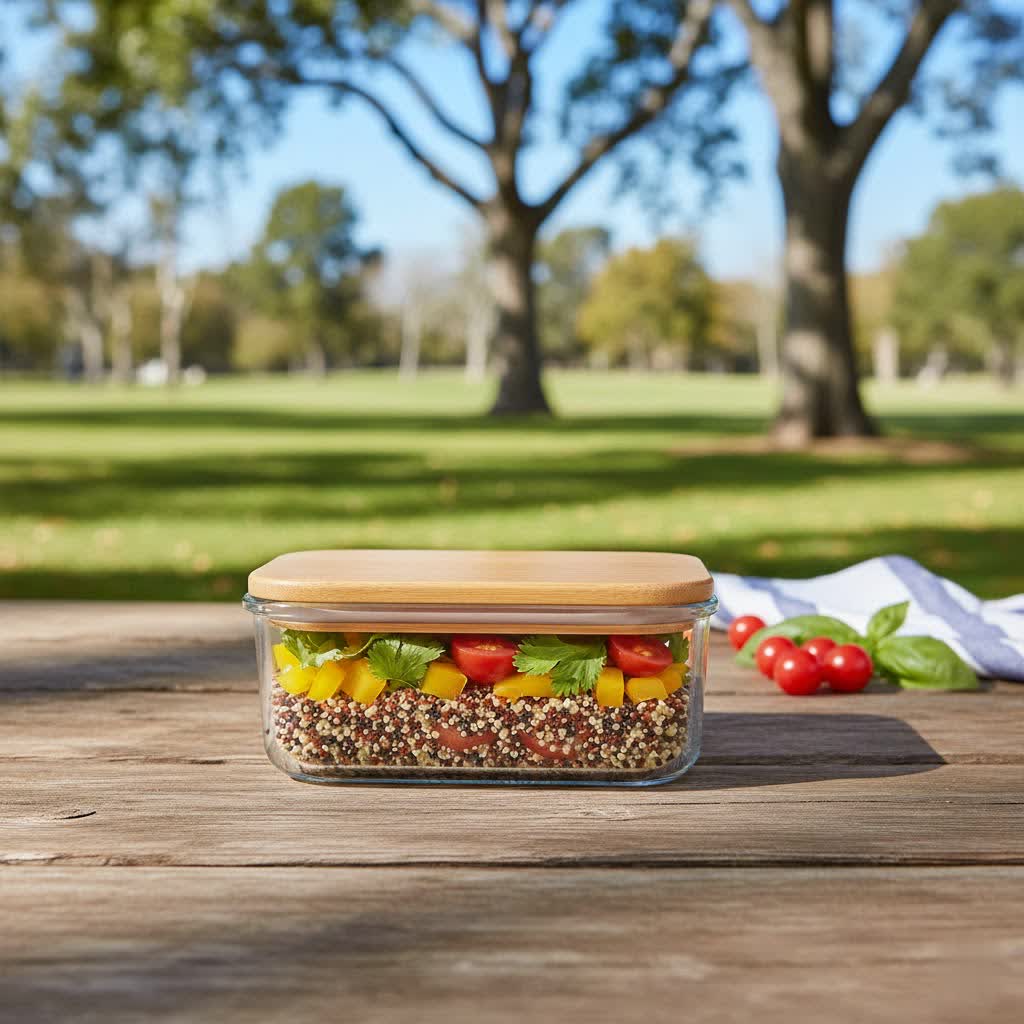
Stepping into an organized freezer is a small luxury that transforms meal prep and food preservation. Imagine a space where every item is easily identifiable, perfectly portioned, and free from the dreaded freezer burn. Achieving this dream relies heavily on choosing the right freezer containers. With over a decade of experience in food storage solutions, I’ve seen countless containers come and go, and I’m here to guide you through selecting the best options for safety, convenience, and longevity.
Effective freezer storage is more than just throwing food into any available container; it’s about smart preservation that maintains food quality, flavor, and nutritional value. From preventing spoilage to streamlining your weekly routine, understanding the nuances of freezer containers is key to a well-managed kitchen. This comprehensive guide will equip you with the knowledge to make informed decisions, ensuring your frozen foods are as fresh and delicious as the day you stored them.
Freezer Containers: Everything You Need to Know
A freezer container is a specialized food storage vessel designed to withstand extremely low temperatures while protecting its contents from the harsh freezer environment. Unlike regular food storage, these containers are engineered to prevent freezer burn, a condition where food becomes dry, discolored, and flavorless due to moisture loss and oxidation. Their primary purpose is to seal food off from air exposure, maintaining its quality over extended periods.
Historically, food preservation methods like salting, smoking, and drying were dominant. The advent of refrigeration and freezing technology in the early 20th century revolutionized how we store food, leading to a demand for suitable containers. Early freezer storage often involved rudimentary wrapping in wax paper or foil. Over time, advancements in materials science led to the development of plastics, glass, and silicone specifically designed to cope with sub-zero temperatures and expansion. Today, freezer containers have evolved into highly functional tools, indispensable for modern kitchens focused on meal prepping, reducing food waste, and saving money.
The market offers a diverse range of freezer containers, each with unique advantages. Understanding these popular types is the first step toward optimizing your freezer organization:
- Plastic Containers: Often the most affordable and lightweight option, plastic containers are widely used. They typically come with snap-on or latching lids to create a seal.
- Glass Containers: Praised for their durability and non-reactive nature, glass containers are excellent for visibility and versatility, as many can go directly from freezer to oven or microwave.
- Silicone Containers & Bags: Known for their flexibility and eco-friendliness, silicone options are ideal for freezing liquids in specific portions or for space-saving storage.
- Stainless Steel Containers: While less common for direct freezing, stainless steel offers extreme durability and is excellent for dry goods or holding pre-frozen items.
- Freezer Bags: These flexible bags are highly efficient for space-saving, especially for freezing liquids flat. They come in both disposable plastic and reusable silicone versions, and some even offer vacuum-sealing capabilities for ultimate air removal.
- Silicone Freezing Trays (e.g., Souper Cubes): These specialized trays allow you to freeze food in perfectly portioned blocks, which can then be transferred to bags or other containers for long-term storage.
Essential Factors for Choosing Freezer Containers
Selecting the right freezer container involves more than just picking the first option you see. Several critical factors come into play, influencing everything from food safety to the lifespan of your containers and the quality of your frozen meals.
Material of Freezer Containers
|
Our Picks for the Best Food Container in 2026
As an Amazon Associate I earn from qualifying purchases.
|
||
| Num | Product | Action |
|---|---|---|
| 1 | 60 Sets (120-Piece) Deli Containers with Lids, 32/16/8 oz X 20 Set Each, Leak-Proof & BPA Free Airtight Takeout Plastic Food Storage Containers for Soup, Freezer/Microwave/Dishwasher Safe |

|
| 2 | Martha Stewart Shadowbrook 5-Piece Borosilicate Glass Storage Container Set – Airtight Locking Lids, 21.6 oz Meal Prep, Leftover & Lunch Containers, Microwave, Oven & Dishwasher Safe |
|
| 3 | Glass Food Storage Jars with Airtight Lids – Wide Mouth Pantry Containers, Thick BPA-Free Glass, Moisture & Insect Resistant, Customizable Labels Included – 80 oz x 3 |
|
| 4 | 38oz Meal Prep Containers, Extra Large &Thick Food Storage Containers with Lids, Reusable Plastic,Disposable Bento Box,Stackable,Microwave/Freezer/Dishwasher Safe, BPA Free (30Pack) |
|
| 5 | Rubbermaid Brilliance BPA Free Airtight Food Storage Containers with Lids, Set of 4 (4.7 Cup) Ideal for Lunch, Meal Prep, and Leftovers |
|
| 6 | Rubbermaid Brilliance Food Storage Containers BPA Free Airtight Lids Ideal for Lunch Meal Prep & Leftovers Set of 5 (3.2 Cup) |
|
| 7 | Vtopmart 2Pack 1860ml/63oz Large Glass Storage Containers with Lids, Meal Prep Food Container Set with Snap Airtight Lid for Baking, Microwave, Oven, Leak Proof, for Freezer, Dishwasher, Grey |
|
| 8 | Rubbermaid 60-Piece Food Storage Containers with Lids, Microwave and Dishwasher Safe, Red Color, Ideal for Meal Prep and Pantry Storage |
|
| 9 | 50 Pack (100-Piece) 32 oz Meal Prep Containers Reusable with Easy Open Lids, Sturdy Leakproof Food Safe, Microwave Freezer Dishwasher Safe, To Go Take Out Plastic Food Storage Pans with Lids, Black |
|
| 10 | Vtopmart 5Pack 22oz Glass Storage Containers with Lids, Glass Meal Prep Food Container Sets with Snap Airtight Lids for Microwave, Oven, Freezer and Dishwasher, Grey |
|
The material of your freezer container is perhaps the most crucial consideration, impacting its durability, safety, and versatility.
- Plastic:
- Pros: Lightweight, affordable, impact-resistant (less prone to breaking if dropped). Many are stackable and come in various shapes and sizes. Look for those labeled “freezer-safe” and “BPA-free” to avoid potential chemical leaching into your food at low temperatures.
- Cons: Can absorb food odors and stains over time, especially with tomato-based sauces. Some plastics can become brittle and crack in extreme cold if not designed for freezing. Not all plastic is microwave or oven-safe.
- Safety Tip: Always ensure plastic containers are BPA-free and explicitly marked as freezer-safe.
- Glass:
- Pros: Non-porous, meaning no absorption of odors or stains. Environmentally friendly and endlessly reusable. Offers excellent visibility of contents. Many glass containers, especially borosilicate glass, are versatile, allowing them to go from freezer to oven or microwave (with proper temperature acclimation).
- Cons: Heavier and more fragile than plastic, making them susceptible to breakage if dropped or if liquids expand too much without adequate headspace. Generally more expensive.
- Cleaning: Glass is very easy to clean and can typically withstand high dishwasher temperatures.
- Stainless Steel:
- Pros: Extremely durable, lightweight yet sturdy, and won’t absorb odors or stains. An eco-friendly alternative.
- Cons: Not transparent, so you can’t see the contents. Can be more expensive. Metal generally transfers cold very efficiently, which can be a pro for rapid freezing but a con if it leads to freezer burn without an excellent airtight seal. Some sources suggest stainless steel is not ideal for direct freezing to prevent freezer burn unless specifically designed.
- Silicone:
- Pros: Highly flexible, allowing for easy removal of frozen contents (like popping out soup cubes). Non-toxic, reusable, and often oven, microwave, and dishwasher safe. Great for portioning.
- Cons: Can be more expensive than plastic. Some silicone bags might be harder to clean thoroughly than rigid containers.
- Versatility: Excellent for freezing liquids, purees, or individual portions that can then be transferred to another container or bag.
Size and Shape of Freezer Containers
The dimensions and form factor of your freezer containers significantly impact storage efficiency and suitability for different foods.
- Capacity: Consider your typical portion sizes. Do you often freeze single servings for quick meals, or large batches for family dinners and meal prep? Containers are available in everything from small half-cup sizes perfect for herbs or baby food to multi-quart options for soups, stews, and casseroles.
- Shape: Rectangular and square containers are generally more space-efficient in a freezer, as they can be packed tightly together without leaving gaps. Round containers, while suitable for liquids, can waste valuable space.
- Specialized Containers:
- Meal Prep Containers: Often come with dividers for freezing complete meals with multiple components.
- Soup Containers: Typically tall and round or square with tight-fitting lids, designed to hold liquids without spills.
- Freezer-to-Oven Dishes: Usually made of tempered glass or ceramic, allowing you to freeze, thaw, and then bake directly in the same vessel.
Airtightness and Leak-Proof Design
These features are paramount for effective freezer storage, directly impacting food quality and preventing messy accidents.
- Importance of Airtightness: An airtight seal is essential to prevent freezer burn, which occurs when air comes into contact with food, causing dehydration and oxidation. It also helps lock in flavor and nutrients, keeping your food fresh.
- Checking for Quality Seals: High-quality freezer containers often feature silicone gaskets or rubber seals around the lid, combined with secure latches or screw-top designs. When sealing, you might even hear air escaping, indicating a good vacuum has been formed. A simple test is to fill the container with water, seal it, and tilt or shake it to check for leaks.
- Common Lids and Latches:
- Snap-on Lids: Common on plastic containers, these create a tight seal when pressed down firmly.
- Latching Lids: Often found on plastic and glass containers, these lids have clips on the sides that securely fasten the lid to the base, applying pressure to the gasket.
- Screw-top Lids: Predominantly seen on jars (like Mason jars), these provide a strong, continuous seal.
Additional Features and Conveniences
Modern freezer containers often come with extra functionalities that enhance convenience and usability.
- Microwave, Dishwasher, and Oven Safety: Many containers are designed for multi-purpose use. Glass containers are often oven and microwave safe (remember to remove or vent lids in the microwave and avoid extreme temperature shocks for glass). Most plastics and silicones are microwave and dishwasher safe, but always check manufacturer instructions.
- Stackability and Nesting: Containers that stack neatly when full maximize freezer space. Those that nest inside each other when empty save cabinet space, reducing clutter.
- Ventilation Features: Some microwave-safe containers include small vents in the lid that can be opened during reheating to release steam and prevent splatters.
- Portion Dividers: Useful for meal prepping, these containers have built-in dividers to separate different food components, preventing flavors from mixing and allowing for balanced meals.
Comparing Popular Freezer Container Types
Choosing the best freezer container often comes down to balancing cost, durability, safety, and convenience. Here’s a comparison to help you weigh your options:
| Feature/Material | Plastic (BPA-free) | Glass (Borosilicate/Tempered) | Silicone (Bags/Trays) | Freezer Bags (Plastic/Reusable) |
|---|---|---|---|---|
| Cost | Low to Medium | Medium to High | Medium to High | Low (disposable) to Medium (reusable) |
| Durability | Good (can become brittle) | Excellent (but fragile if dropped) | Excellent (flexible, long-lasting) | Fair (disposable) to Good (reusable) |
| Safety | BPA-free essential; check labels | Highly safe, non-reactive | Highly safe, non-reactive | BPA-free essential for plastic |
| Airtightness | Good with quality lids | Excellent with secure latches | Excellent with zip/seal mechanisms | Good (especially vacuum-seal) |
| Visibility | Good (clear plastic) | Excellent (clear glass) | Limited (often opaque/translucent) | Good (clear plastic) |
| Versatility | Freezer, fridge, microwave (check) | Freezer, fridge, oven, microwave | Freezer, fridge, oven, microwave | Freezer only (mostly) |
| Eco-Friendliness | Less sustainable (even reusable) | Highly sustainable, recyclable | Highly sustainable, reusable | Low (disposable) to High (reusable) |
| Space Efficiency | Good (stackable) | Good (stackable, but bulky) | Excellent (flexible, stackable when empty) | Excellent (freeze flat) |
| Odor/Stain Abs. | Yes, over time | No | No | Yes (plastic bags) |
“The right container is a silent partner in your kitchen, preventing food waste and preserving the joy of home-cooked meals.” – Chef Elena Rodriguez, Culinary Preservation Expert
How to Use and Care for Freezer Containers Correctly
Proper usage and maintenance are critical for extending the life of your freezer containers and ensuring your food remains safe and delicious.
Cleaning Freezer Containers
Maintaining hygiene is paramount for any food storage.
- Hand Washing: For containers with intricate seals or delicate components, hand washing with warm, soapy water is often the best approach. Use a non-abrasive sponge to avoid scratching the surface, especially for plastic. Pay extra attention to gaskets and crevices where food particles can hide.
- Dishwasher Use: Many plastic, glass, and silicone containers are dishwasher safe. For plastic, placing them on the top rack is often recommended to prevent warping from high heat. Always check the manufacturer’s instructions.
- Removing Odors and Stains:
- Odors: For persistent smells (especially in plastic), a baking soda paste can work wonders. Mix baking soda with a little water, coat the container, let it sit for a few hours or overnight, then wash thoroughly. Placing crumpled newspaper inside for a day or two can also absorb odors.
- Stains: Sun exposure can sometimes help bleach out stubborn stains on plastic containers. For tough stains, a mixture of lemon juice and salt or a diluted bleach solution (used sparingly and rinsed extremely well) can be effective.
Proper Storage and Usage Techniques
Beyond cleaning, how you use and store your containers makes a difference.
- Leaving Headspace: This is crucial, especially for liquids. As food freezes, it expands. Leaving about 1 inch of headspace prevents containers from cracking (especially glass) or lids from popping off. For wide-mouthed jars, 1 inch is usually sufficient; for regular-mouthed jars, 2 inches is safer.
- Cool Before Freezing: Always allow hot food to cool down to room temperature before placing it in the freezer. Freezing hot food can raise the temperature of the freezer, potentially thawing other items and promoting bacterial growth.
- Label and Date: This simple step is a game-changer for freezer organization. Use freezer-safe labels or a permanent marker on the lid to note the contents and the date it was frozen. This prevents “mystery meals” and helps you rotate your stock, minimizing waste.
- Preventing Freezer Burn: Airtight containers are your first line of defense. Additionally, ensure food is packed tightly with minimal air pockets. For items like meat or fish, an extra layer of plastic wrap or foil directly against the food can add an extra barrier.
- Thawing Food Safely: The safest way to thaw frozen food is slowly in the refrigerator overnight. For quicker thawing, use the microwave on a defrost setting or place the sealed container under cold running water. Never thaw food at room temperature.
- Replacing Damaged Containers: Inspect your containers periodically. Replace any plastic containers that are heavily stained, have deep scratches, or show signs of becoming brittle or cracked. For glass, any chips or cracks warrant replacement for safety reasons. A loose-fitting lid that no longer provides an airtight seal should also be retired.
Where to Buy Freezer Containers
Finding the perfect freezer containers is easier than ever, with numerous options available both online and in brick-and-mortar stores.
- Online Retailers: Websites like Amazon, Target, Walmart, and specialty kitchenware sites offer vast selections, often with competitive pricing and user reviews. This allows for easy comparison of brands and features.
- Department and Home Goods Stores: Stores such as The Home Depot, The Container Store, IKEA, and various kitchen supply stores provide a physical space to examine containers, check their sizes, and test lid seals before purchasing. Brands like Rubbermaid, Pyrex, OXO, and Bentgo are commonly found here.
- Restaurant Supply Stores: For those who freeze in bulk, restaurant supply stores can be a treasure trove for affordable, durable, and often stackable plastic deli containers and commercial-grade freezer bags.
- Discount Stores: While variety might be limited, stores like Dollar General or similar can offer budget-friendly plastic freezer containers, though it’s especially important to verify “BPA-free” and “freezer-safe” labels here.
When purchasing, always prioritize containers explicitly labeled as “freezer-safe” to ensure they can withstand cold temperatures without becoming brittle or leaching chemicals. Look for sets that offer a variety of sizes to meet different storage needs.
Buying Guide: Selecting the Right Freezer Containers for Your Needs
With so many options available, finding the ideal freezer containers can feel overwhelming. This guide will help you narrow down your choices based on your unique lifestyle and preferences.
Defining Your Usage Needs
Start by considering how you intend to use your freezer containers.
- What foods will you store?
- Soups, stews, sauces: Look for liquid-tight, deep containers, possibly silicone freezing trays for portioning.
- Leftovers (solid meals): Versatile plastic or glass containers with secure lids are ideal.
- Meal prep (individual portions): Stackable, often divided, containers are best.
- Baked goods, casseroles: Larger, rectangular containers, often glass or disposable aluminum.
- Fruits, vegetables, meats: Freezer bags (flat for space) or vacuum-seal bags are excellent.
- What portion sizes do you need? Single servings, family-sized meals, or small amounts for ingredients? This will dictate the range of capacities you should look for.
- How will you reheat your food? If you plan to go straight from freezer to microwave or oven, glass or specific microwave-safe plastic/silicone containers are necessary. If you always thaw first, this offers more flexibility.
- How important is freezer organization? If maximizing space and clear visibility are priorities, consider stackable, clear containers or systems that allow you to freeze flat and then store vertically.
Establishing Your Budget
Freezer containers vary widely in price, and setting a budget can help guide your decisions.
- Entry-Level (Budget-Friendly): Disposable freezer bags or basic BPA-free plastic containers are very affordable and a good starting point for occasional freezing.
- Mid-Range: Higher quality plastic sets (e.g., Rubbermaid Brilliance) or basic glass sets (e.g., Pyrex) offer a balance of durability and features at a moderate price point.
- Premium: Borosilicate glass, high-grade silicone bags (e.g., Stasher), or advanced modular systems tend to be more expensive but offer superior durability, versatility, and eco-friendliness in the long run.
Remember, investing in good quality containers can save you money by preventing food waste and reducing the need for frequent replacements.
Consulting User Reviews and Expert Opinions
Before making a final decision, leverage the experiences of others.
- Online Reviews: Read product reviews on retailer websites and independent review sites. Pay attention to comments regarding lid sealing, durability (especially after freezing and reheating cycles), ease of cleaning, and how well they prevent freezer burn.
- Expert Recommendations: Consult articles and videos from culinary experts, food bloggers, or consumer testing organizations that specifically evaluate freezer containers. They often provide insights into performance under various conditions.
- Recommendations from Friends and Family: Personal testimonials can be incredibly valuable, offering real-world experience with different brands and materials.
By systematically evaluating your needs, budget, and trusted feedback, you can confidently choose freezer containers that will serve you well for years to come, keeping your freezer organized and your food perfectly preserved.
Conclusion
Mastering the art of freezing food is a cornerstone of an efficient and waste-free kitchen, and at its heart lies the choice of the right freezer containers. We’ve explored the diverse world of these essential tools, from the practicalities of various materials like plastic, glass, and silicone to the crucial features of airtight seals and appropriate sizing. Investing in high-quality, freezer-safe containers not only safeguards your culinary creations from freezer burn but also transforms your freezer into a well-organized pantry of future meals.
Remember the key takeaways: prioritize airtightness, choose materials suited to your reheating habits, and always leave headspace for expansion. With these insights, you’re now equipped to make confident choices that will enhance your meal prep, reduce food waste, and keep your stored food as fresh and flavorful as possible. What frozen delight will you prepare and preserve next?
Frequently Asked Questions
Can I put hot food directly into a freezer container?
No, it is generally recommended to allow hot food to cool down to room temperature before placing it in a freezer container and freezing it. Putting hot food directly into the freezer can raise the overall temperature inside, potentially causing other frozen items to partially thaw and refreeze, which can compromise food safety and quality.
How do I prevent freezer burn with my containers?
To prevent freezer burn, ensure your containers are genuinely airtight, preferably with a silicone gasket or strong latching lid. Always leave minimal air space around the food, and for liquids, leave about 1 inch of headspace to allow for expansion. For delicate items, consider adding an extra layer of plastic wrap directly on the food’s surface before sealing the container.
Are all plastic containers safe for freezing?
Not all plastic containers are safe for freezing. Always look for containers specifically labeled “freezer-safe” and “BPA-free.” Plastics not designed for freezing can become brittle and crack at low temperatures, and some older plastics may contain chemicals that could leach into food.
How much headspace should I leave in containers with liquids?
When freezing liquids, always leave about 1 inch of headspace in your container. This is crucial because liquids expand as they freeze, and insufficient space can cause containers (especially glass ones) to crack or lids to pop off. For wide-mouthed jars, 1 inch is usually enough; for regular-mouthed jars, 2 inches provides extra safety.
How long do freezer containers typically last?
The lifespan of freezer containers varies by material and quality. High-quality glass and silicone containers can last for many years, even decades, with proper care. Plastic containers might need replacing every few years, especially if they show signs of warping, cracking, heavy staining, odor absorption, or if their lids no longer seal tightly.
Pet products vetted on real animals
Free PDF — protein DMB calculator + 18 dog foods rated.
