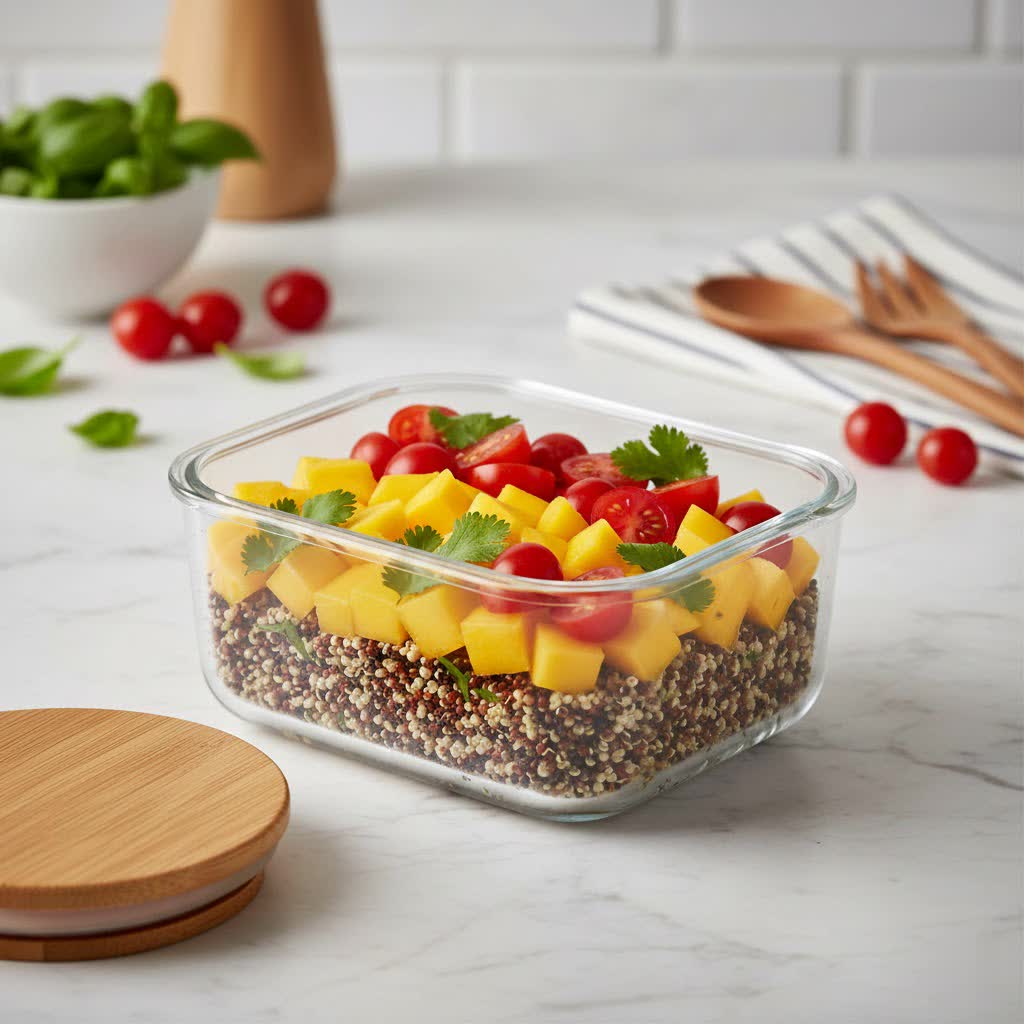
Imagine biting into a piping hot lunch or a refreshingly cool snack, hours after you’ve packed it. This isn’t a dream; it’s the everyday reality a high-quality thermos food jar offers. In our fast-paced world, preparing meals at home is a healthy and economical choice, but keeping them at the right temperature on the go can be a challenge. That’s where the thermos food jar steps in, transforming your lunch routine and making wholesome meals accessible anywhere, anytime.
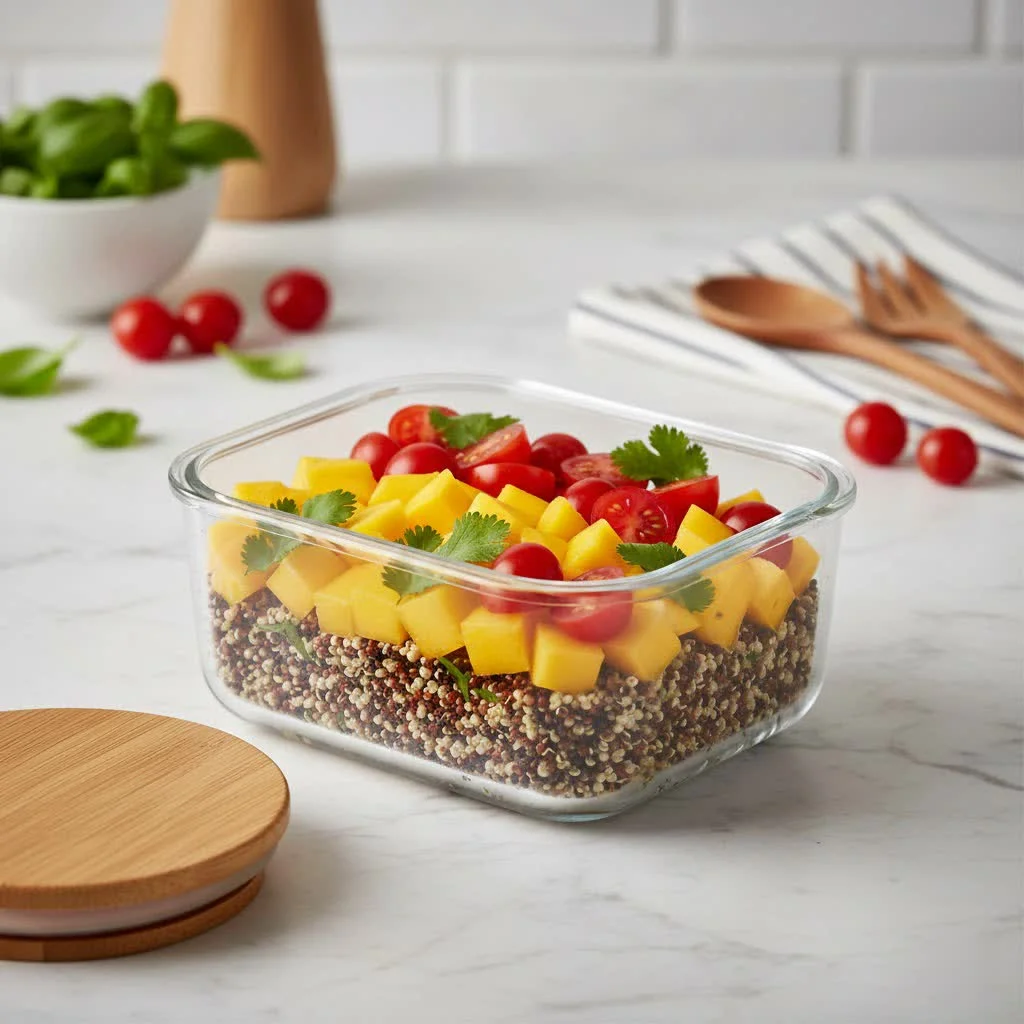
Thermos Food Jar: All You Need to Know
A thermos food jar, also widely known as an insulated food container or vacuum flask, is an ingeniously designed vessel crafted to maintain the temperature of its contents for extended periods. Its primary purpose is to keep hot foods hot and cold foods cold, defying external temperatures through advanced insulation technology.
The concept of the vacuum flask, which underpins the thermos food jar, was invented in 1892 by Scottish scientist Sir James Dewar. Originally designed for laboratory use to keep chemical substances at stable temperatures, it was later adapted for commercial use, revolutionizing how we transport food and beverages. The company Thermos, founded in Germany, was among the first to commercialize this technology for domestic use, so much so that “thermos” became a generic term for these products.
Today, the market is brimming with various types of thermos food jars, ranging from compact options perfect for children’s snacks to larger capacities suitable for adult meals or outdoor adventures. They come in diverse designs, colors, and functionalities, catering to every possible need and aesthetic preference.
Factors to Consider When Buying a Thermos Food Jar
Choosing the ideal thermos food jar goes beyond simply picking a color you like. Several critical factors influence its performance, safety, and suitability for your lifestyle.
Material of the Thermos Food Jar
The material plays a pivotal role in insulation, durability, and safety.
-
Stainless Steel: This is the gold standard for thermos food jars due to its exceptional insulation properties, durability, and resistance to odors and stains. Most high-quality jars feature double-wall stainless steel construction with a vacuum-sealed interior. Stainless steel is generally safe, non-reactive, and easy to clean.
-
Plastic: While some jars may incorporate plastic components (like lids or outer casings), fully plastic thermoses are less common for hot food due to their inferior insulation and potential for chemicals to leach into food, especially when hot. Always look for BPA-free polypropylene (PP#5) plastics in components that contact food, ensuring safety.
-
Glass: Though some vacuum flasks use a glass inner lining, they are encased in plastic or metal due to glass’s fragility. Glass offers excellent insulation but is not ideal for robust, on-the-go food jars that need to withstand drops and bumps.
-
Which material is safe for health? Food-grade stainless steel is widely considered the safest material, as it doesn’t leach chemicals into food. When plastics are present, ensure they are certified BPA-free.
-
Which material is durable and easy to clean? Stainless steel excels in both durability and ease of cleaning. It’s resistant to dents (though not entirely immune) and doesn’t absorb food odors or flavors, making it simple to wash with soap and water.
Size and Shape of the Thermos Food Jar
|
Our Picks for the Best Food Container in 2026
As an Amazon Associate I earn from qualifying purchases.
|
||
| Num | Product | Action |
|---|---|---|
| 1 | Rubbermaid Brilliance BPA Free Airtight Food Storage Containers with Lids, Set of 4 (4.7 Cup) Ideal for Lunch, Meal Prep, and Leftovers |

|
| 2 | Vtopmart 2Pack 1860ml/63oz Large Glass Storage Containers with Lids, Meal Prep Food Container Set with Snap Airtight Lid for Baking, Microwave, Oven, Leak Proof, for Freezer, Dishwasher, Grey |
|
| 3 | Rubbermaid 60-Piece Food Storage Containers with Lids, Microwave and Dishwasher Safe, Red Color, Ideal for Meal Prep and Pantry Storage |
|
| 4 | Martha Stewart Shadowbrook 5-Piece Borosilicate Glass Storage Container Set – Airtight Locking Lids, 21.6 oz Meal Prep, Leftover & Lunch Containers, Microwave, Oven & Dishwasher Safe |
|
| 5 | 50 Pack (100-Piece) 32 oz Meal Prep Containers Reusable with Easy Open Lids, Sturdy Leakproof Food Safe, Microwave Freezer Dishwasher Safe, To Go Take Out Plastic Food Storage Pans with Lids, Black |
|
| 6 | 38oz Meal Prep Containers, Extra Large &Thick Food Storage Containers with Lids, Reusable Plastic,Disposable Bento Box,Stackable,Microwave/Freezer/Dishwasher Safe, BPA Free (30Pack) |
|
| 7 | 60 Sets (120-Piece) Deli Containers with Lids, 32/16/8 oz X 20 Set Each, Leak-Proof & BPA Free Airtight Takeout Plastic Food Storage Containers for Soup, Freezer/Microwave/Dishwasher Safe |
|
| 8 | Vtopmart 5Pack 22oz Glass Storage Containers with Lids, Glass Meal Prep Food Container Sets with Snap Airtight Lids for Microwave, Oven, Freezer and Dishwasher, Grey |
|
| 9 | Rubbermaid Brilliance Food Storage Containers BPA Free Airtight Lids Ideal for Lunch Meal Prep & Leftovers Set of 5 (3.2 Cup) |
|
| 10 | Glass Food Storage Jars with Airtight Lids – Wide Mouth Pantry Containers, Thick BPA-Free Glass, Moisture & Insect Resistant, Customizable Labels Included – 80 oz x 3 |
|
The capacity and design of your thermos should align with your eating habits and storage needs.
- Appropriate capacity for usage needs: Most adult food jars range from 16 to 24 ounces (approximately 470ml to 700ml). Children’s versions are typically smaller, often 10-12 ounces (around 300-350ml). For a small portion like soup, 10 ounces might suffice, while a full meal often requires 16 ounces or more.
- Which shape helps save storage space? Taller, narrower designs often fit better into bags and backpacks than shorter, wider ones. However, a wider mouth is generally preferred for easier filling, eating directly from the jar, and cleaning.
- Specialized Food Container types: Some jars offer specialized features like internal dividers for separating different food items or wider bowl-like designs for salads.
Airtightness and Leak-Proofing
A truly effective thermos food jar must be airtight and leak-proof to maintain temperature and prevent spills.
- Why is airtightness important? An airtight seal prevents air from entering or escaping, which is crucial for maintaining the vacuum insulation and preventing heat transfer. It also stops leaks, keeping your bag and its contents safe.
- How to check the airtightness of a food container: A tight-fitting, secure lid is essential. Many feature screw-on lids, often with silicone gaskets or seals, to ensure a robust, leak-proof closure. You can test it by filling it with water, sealing it, and tipping it upside down.
- Common gaskets and locking mechanisms: Silicone gaskets are widely used for their flexibility and sealing capabilities. Some jars also incorporate locking clasps or pressure-release valves, which can be useful when dealing with hot contents that build up internal pressure.
Additional Features
Modern thermos food jars come with a host of extra features that can enhance convenience and functionality.
- Can Food Containers be used in microwave, dishwasher, freezer?
- Microwave: Most stainless steel thermos food jars are not microwave-safe due to the metal.
- Dishwasher: Many high-quality stainless steel jars are top-rack dishwasher-safe, but some brands recommend handwashing to preserve the vacuum seal and finish. Always check the manufacturer’s instructions.
- Freezer: While some can tolerate freezer temperatures for cold items, freezing solid contents directly in the jar is generally not recommended as expansion could damage the container.
- Special features:
- Divided compartments: Ideal for keeping different food items separate.
- Integrated spoon/fork: Many come with a folding spoon or spork that nests in the lid, adding convenience.
- Lid that doubles as a bowl: A practical feature for serving and eating.
- Ventilation valve: Helps release steam when opening a jar with hot food, making it easier to open.
Comparing Popular Thermos Food Jars
The market offers a diverse range of thermos food jars, each with unique strengths. Here’s a general comparison of some popular options and what makes them stand out:
| Feature/Brand | Thermos Stainless King Food Jar | Stanley Classic Legendary Food Jar | Yeti 16-Ounce Food Jar | Thermos FUNtainer Insulated Food Jar |
|---|---|---|---|---|
| Material | Double-wall Stainless Steel | Recycled 18/8 Stainless Steel | Double-wall Vacuum Insulated | Double-wall Stainless Steel |
| Capacity | 16 oz (470ml) | 24 oz (700ml) | 16 oz (470ml) | 10-16 oz (300-470ml) |
| Heat Retention | Up to 9 hours | Up to 15 hours | Excellent (similar to Stanley) | Up to 5-7 hours |
| Cold Retention | Up to 14 hours | Up to 18 hours | Excellent | Up to 7-9 hours |
| Lid/Seal | Tight-sealing, doubles as bowl | Insulated lid, doubles as cup | MagVent lid, two-piece | Leakproof, easy to open |
| Included Utensil | Folding stainless steel spoon | None | None | Foldable plastic/stainless spoon |
| Dishwasher Safe | All components top-rack safe | Yes | Yes | Top-rack safe (lid may need extra cleaning) |
| Key Advantage | Excellent value, durable, integrated spoon | Superior temperature retention, stylish | Robust, internal measurements, dishwasher-safe | Kid-friendly, lightweight, easy for small hands |
| Consideration | Plastic laminate may peel | Heavier than some competitors | Lid can be tricky to open initially | May not keep food hot enough for adults for long durations |
> “The Thermos Stainless King Food Jar offers excellent performance at an unbeatable value, keeping mac and cheese hot for nine hours and ice cubes intact for 14 hours in tests.” – The Spruce Eats Review
How to Use and Maintain Your Thermos Food Jar Correctly
Proper usage and maintenance are key to maximizing the lifespan and performance of your thermos food jar, ensuring food safety and hygiene.
Cleaning Your Thermos Food Jar
Regular and thorough cleaning is essential to prevent bacterial growth, odors, and stains.
- How to clean a Food Container by hand and by dishwasher:
- Handwashing: For optimal care, especially for lids with gaskets and intricate parts, handwashing with warm soapy water is recommended. Use a bottle brush for the interior and ensure all components, especially silicone seals, are thoroughly cleaned and dried to prevent mold.
- Dishwasher: While many stainless steel jars are dishwasher-safe, always check the manufacturer’s instructions. High temperatures in dishwashers can sometimes compromise the vacuum seal over time. Interior lids and accessories often require additional hand-washing.
- Safe and effective cleaning agents: Mild dish soap is usually sufficient. For stubborn odors, a mixture of baking soda and warm water left to sit overnight can be effective. Avoid abrasive cleaners or harsh chemicals that could damage the finish or materials.
- How to remove odors and stubborn stains: For smells, a baking soda paste or a diluted vinegar solution can work wonders. For stains, a non-abrasive scrubber and persistent washing might be needed. Ensure all components are completely dry before reassembling and storing.
Storing Your Thermos Food Jar
Correct storage also contributes to longevity.
- How to store a Food Container when not in use: Store your thermos food jar with the lid off or slightly ajar to allow air circulation and prevent moisture buildup, which can lead to odors or mold.
- Avoid direct sunlight and high temperatures: Prolonged exposure to direct sunlight or extreme heat can potentially degrade materials or affect the vacuum insulation, reducing its effectiveness.
- Replace Food Container when damaged: If your thermos food jar shows signs of damage such as dents that compromise the vacuum seal, cracks, persistent leaks, or if food consistently spoils, it’s best to replace it. A damaged jar may not maintain safe food temperatures and could pose health risks.
Where to Buy a Thermos Food Jar?
Thermos food jars are widely available, offering convenience whether you prefer shopping online or in physical stores.
- Reputable stores selling Thermos Food Containers: Major retailers like Amazon, Walmart, Target, Wayfair, and outdoor/camping stores often carry a wide selection of brands and models. Department stores also frequently stock premium options.
- Buying Food Containers online: Online platforms offer the broadest range, allowing you to compare features, prices, and read customer reviews. Look for official brand stores or authorized resellers to ensure authenticity and warranty.
- Notes when buying Food Containers:
- Always check the return policy, especially for online purchases.
- Verify the product specifications, including capacity, material, and temperature retention claims.
- Pay attention to user reviews regarding leak-proofing and durability.
- Look for current deals or bundles that might include accessories.
Buying Guide: Choosing the Right Thermos Food Jar for Your Needs
Navigating the options can be overwhelming, but a systematic approach will help you find the perfect thermos food jar.
Determine Usage Needs
Start by understanding why you need a thermos food jar.
- What do you need a Food Container for? (e.g., packing lunch for work/school, outdoor picnics, keeping baby food warm, travel). Different scenarios might call for different capacities or features.
- What capacity Food Container do you need? Consider your typical portion sizes. A child might need 10-12 ounces, while an adult might need 16-24 ounces for a full meal.
- What features do you need in a Food Container? (e.g., integrated spoon, wide mouth for chunky soups, leak-proof for liquids, easy-to-clean design).
Determine Budget
Thermos food jars vary significantly in price, generally correlating with brand reputation, material quality, and features.
- How do Food Container prices vary? Basic models can start from $15-$20, while premium brands with advanced features and superior retention can go up to $50 or more.
- How much are you willing to spend on a Food Container? Set a budget, but remember that investing in a higher-quality jar often means better performance and durability, potentially saving money in the long run.
Consult User Reviews
Real-world feedback is invaluable.
- Read Food Container reviews online: Websites like Amazon, The Spruce Eats, Serious Eats, and dedicated product review sites offer insights into a jar’s actual performance, durability, and user experience.
- Ask friends and family for opinions: Personal recommendations can provide trustworthy guidance based on direct experience.
By carefully considering these factors, you can make an informed decision and select a thermos food jar that perfectly fits your lifestyle and keeps your meals at their optimal temperature.
Conclusion
The thermos food jar is an indispensable tool for anyone seeking to enjoy home-cooked meals on the go. Its ability to maintain food temperatures, thanks to advanced vacuum insulation, makes it a healthier, more economical, and environmentally friendly alternative to takeout. From durable stainless steel construction to thoughtful features like integrated spoons and leak-proof seals, modern thermos food jars offer unparalleled convenience. By understanding the key factors in choosing the right one – material, size, airtightness, and extra features – you can select a product that not only meets your needs but enhances your daily routine.
Are you ready to elevate your on-the-go dining experience with the perfect thermos food jar?
Frequently Asked Questions
How does vacuum insulation keep food hot or cold?
Vacuum insulation works by eliminating air between two walls of the container, creating a vacuum. This vacuum acts as a barrier, preventing heat transfer through conduction and convection, thus keeping hot food hot and cold food cold for extended periods.
Can I put any type of food in a thermos food jar?
While you can put most foods, liquid or semi-liquid foods like soups, stews, and pasta tend to retain heat best in a thermos. For cold foods, salads, yogurt, and fruit are excellent choices. Ensure hot foods are piping hot (above 165°F/74°C) and cold foods are chilled (below 40°F/4°C) when packed for safety.
Is it safe to reheat food directly in a thermos food jar?
No, it is generally not safe or recommended to reheat food directly in a thermos food jar. Most are made of stainless steel and are not microwave-safe. Reheating should be done in appropriate microwave-safe containers or on a stovetop.
How do I prevent my thermos food jar from leaking?
To prevent leaks, ensure the lid is screwed on tightly and correctly, checking that any silicone gaskets are properly seated. Avoid overfilling the jar. If the jar frequently leaks, inspect the seal for wear or damage and replace the jar if necessary.
How long do thermos food jars typically keep food at temperature?
The duration varies by brand, model, and initial food temperature, but most quality thermos food jars can keep food hot for 5-9 hours and cold for 7-14 hours. Some premium models boast retention times of up to 15-24 hours. Preheating or pre-chilling the jar can extend these times.
Pet products vetted on real animals
Free PDF — protein DMB calculator + 18 dog foods rated.
